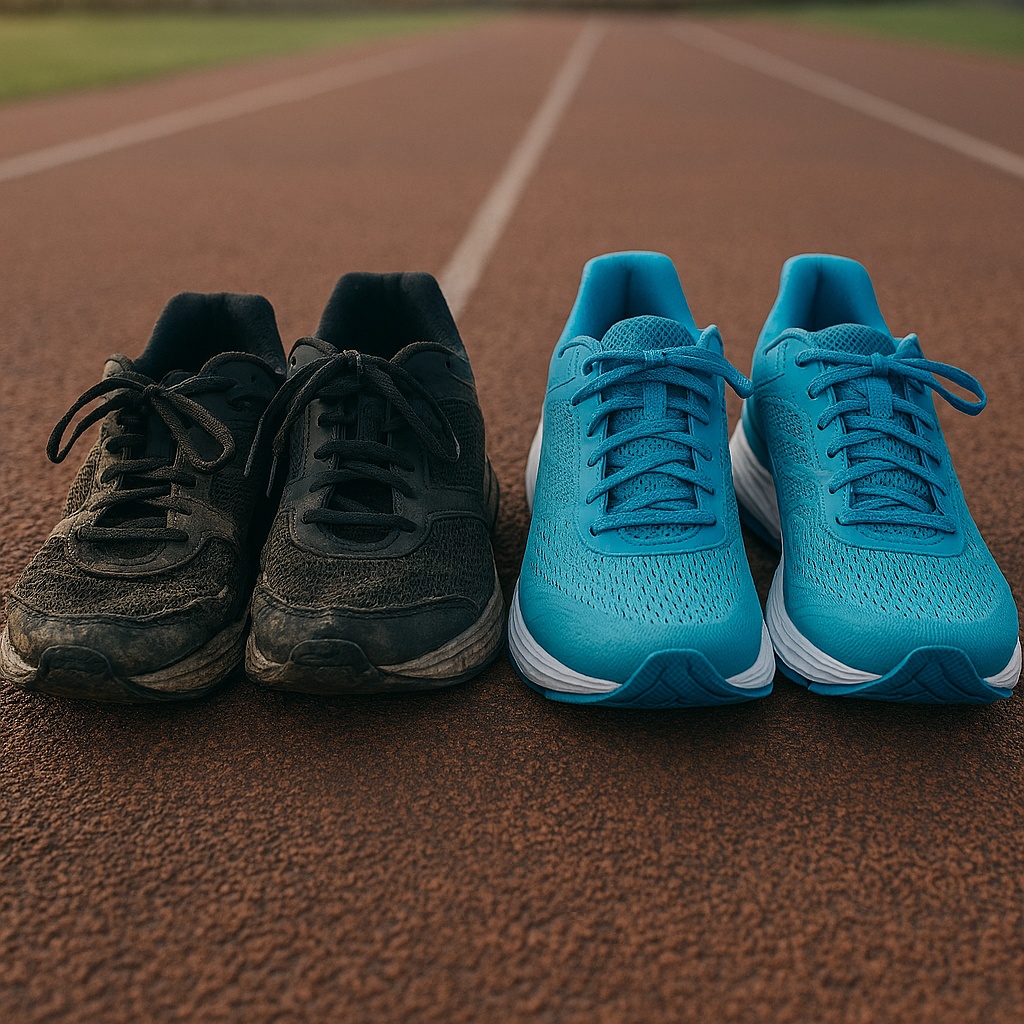
Footwear Or Shoe Choices In Sports Strong Importance
Shoe Choices In Sports – Why Footwear Matters In Athletic Performance
Footwear plays a critical role in sports, influencing biomechanics, safety, and overall performance. Athletes rely on shoes not only for comfort but also for traction, stability, and injury prevention. The correct footwear enhances movement efficiency, reduces fatigue, and supports anatomical alignment. Conversely, incorrect footwear can compromise balance, increase strain, and elevate injury risk.
Sports-specific shoes are engineered to meet the demands of particular movements and surfaces. Running shoes differ from basketball shoes in cushioning, grip, and ankle support. Cleats are designed for turf interaction, while court shoes prioritize lateral stability. The science behind athletic footwear integrates physiology, material engineering, and sport-specific dynamics. Athletes must consider foot shape, gait, and sport requirements when selecting shoes. Coaches and medical staff emphasize footwear as a foundational element of preparation. Understanding the consequences of footwear choices is essential for optimizing performance and minimizing harm. Shoe choices in sports matter.
Biomechanical Alignment – Supporting Natural Movement
Correct footwear supports biomechanical alignment, allowing joints and muscles to function efficiently. Shoes designed for specific sports accommodate the natural motion patterns of the activity. Running shoes, for example, promote forward propulsion with heel-to-toe transitions. Basketball shoes offer lateral support to handle multidirectional movements. Cleats provide traction for acceleration and deceleration on grass or turf. Incorrect footwear disrupts these patterns, causing compensatory movements that strain muscles and joints. Misalignment can lead to overuse injuries such as shin splints or plantar fasciitis.
Proper arch support and heel cushioning are essential for shock absorption. Footwear must also match the athlete’s pronation type to prevent imbalance. Biomechanical efficiency reduces energy expenditure and improves endurance. The right shoe acts as an extension of the body, enhancing control and responsiveness. Athletes who prioritize biomechanical alignment experience fewer injuries and better performance outcomes.
| Footwear Feature | Biomechanical Benefit | Example Sport |
|---|---|---|
| Arch support | Reduces strain on plantar fascia | Running |
| Heel cushioning | Absorbs impact forces | Basketball |
| Lateral stability | Prevents ankle rolling | Tennis |
| Traction pattern | Enhances grip and control | Soccer |
| Flex grooves | Supports natural foot flexion | Cross-training |
| Ankle collar height | Stabilizes joint movement | Netball |
Injury Risk – The Hidden Dangers Of Poor Footwear
Incorrect footwear significantly increases the risk of sports-related injuries. Shoes that lack proper support can lead to sprains, strains, and stress fractures. Ill-fitting shoes may cause blisters, calluses, and toenail damage. Lack of cushioning exposes joints to excessive impact forces. Inadequate traction can result in slips and falls, especially on wet or uneven surfaces. Over time, poor footwear contributes to chronic conditions such as tendonitis and joint degeneration.
Athletes often underestimate the long-term consequences of wearing the wrong shoes. Coaches and physiotherapists emphasize footwear as a key factor in injury prevention. The risk is especially high in high-impact sports like basketball, football, and athletics. Footwear must be regularly assessed for wear and tear to maintain safety. Injury prevention begins with informed footwear selection and maintenance.
- Increased risk of sprains and strains
- Development of blisters and calluses
- Exposure to excessive impact forces
- Slips and falls due to poor traction
- Chronic conditions from prolonged misuse
- Underestimation of long-term consequences
- Importance of physiotherapist guidance
- High-risk sports demand precision footwear
- Regular assessment of shoe condition
- Prevention through informed selection
- Maintenance as part of injury strategy
- Footwear as a safety foundation
Surface Interaction – Matching Shoes To Terrain
Footwear must be matched to the surface on which the sport is played. Grass, turf, hardwood, and synthetic courts each require specific traction and cushioning. Cleats are designed to penetrate grass and provide grip during rapid movements. Court shoes feature flat soles with lateral support for hardwood surfaces. Trail running shoes have aggressive tread patterns for uneven terrain.
Wearing the wrong shoe on the wrong surface compromises stability and control. Athletes may slip, skid, or lose balance, affecting performance and safety. Surface-specific shoes also protect against environmental hazards such as moisture or debris. The interaction between sole material and surface texture determines grip quality. Coaches often advise athletes to rotate footwear based on venue conditions. Understanding surface dynamics is essential for footwear selection.
| Surface Type | Recommended Footwear | Key Feature |
|---|---|---|
| Grass | Cleats | Studded outsole |
| Turf | Turf shoes | Short rubber nubs |
| Hardwood | Court shoes | Flat sole with grip |
| Synthetic track | Running spikes | Lightweight traction |
| Trail | Trail runners | Aggressive tread |
| Sand | Barefoot or flexible shoes | Minimal interference |
Performance Enhancement – Maximizing Athletic Output
Correct footwear enhances athletic performance by improving speed, agility, and endurance. Shoes designed for specific sports optimize energy transfer and reduce fatigue. Lightweight materials allow for faster movement and quicker reactions. Responsive cushioning returns energy with each step, boosting propulsion. Traction patterns improve grip during acceleration and deceleration. Ankle support stabilizes joints during rapid directional changes. Breathable fabrics regulate temperature and reduce sweat accumulation. Athletes report improved confidence and control when wearing appropriate shoes. Performance metrics such as sprint times and jump height often improve with correct footwear. Coaches integrate footwear into training plans to maximize output. The right shoe becomes a performance tool rather than just an accessory.
- Improved speed and agility
- Reduced fatigue through energy efficiency
- Faster reactions with lightweight design
- Enhanced propulsion via responsive cushioning
- Better grip during movement transitions
- Stabilized joints with ankle support
- Temperature regulation through breathable fabrics
- Increased confidence and control
- Boosted performance metrics
- Integration into training strategies
- Footwear as a performance tool
- Optimization of athletic output
Foot Structure – Matching Shoes To Anatomy
Footwear must accommodate the anatomical structure of the athlete’s foot to ensure comfort and function. Differences in arch height, toe shape, and heel width affect how shoes interact with the foot. Athletes with flat feet require stability features to prevent overpronation. High arches benefit from cushioning to absorb impact. Wide feet need shoes with broader toe boxes to prevent compression.
Incorrect fit can lead to discomfort, reduced performance, and long-term damage. Shoe brands vary in their structural design, making personal fitting essential. Orthotic inserts may be used to customize support. Foot structure also influences gait and pressure distribution. Coaches and podiatrists often assess foot anatomy before recommending footwear. The goal is to align shoe design with natural biomechanics. Matching shoes to foot structure enhances comfort, safety, and efficiency.
| Foot Type | Recommended Feature | Benefit |
|---|---|---|
| Flat feet | Stability control | Prevents overpronation |
| High arches | Extra cushioning | Absorbs shock |
| Wide feet | Broad toe box | Reduces compression |
| Narrow feet | Snug fit | Improves control |
| Heel spurs | Soft heel pad | Reduces irritation |
| Bunions | Flexible upper | Minimizes pressure |
Psychological Confidence – Feeling Ready To Perform
Footwear influences psychological readiness and confidence in athletes. Wearing the correct shoes enhances mental focus and reduces anxiety. Athletes feel more secure when their shoes fit well and perform reliably. Confidence in footwear translates to confidence in movement. Incorrect shoes can create doubt, distraction, and hesitation. Psychological comfort is as important as physical support. Athletes often develop rituals around their footwear, such as lacing patterns or pre-game checks. The mental association between shoes and performance becomes deeply ingrained. Coaches recognize the psychological impact and encourage personalized choices. Feeling prepared begins with feeling equipped. Footwear becomes part of the athlete’s identity and mindset. Confidence starts from the ground up.
- Enhanced mental focus with proper footwear
- Reduced anxiety through reliable fit
- Security in movement and traction
- Doubt and distraction from poor shoes
- Importance of psychological comfort
- Rituals that reinforce readiness
- Deep mental associations with performance
- Encouragement of personalized choices
- Preparation linked to equipment trust
- Footwear as part of athlete identity
- Mindset shaped by physical readiness
- Confidence rooted in ground contact
Sport-Specific Demands – Tailoring Footwear To Activity
Different sports impose unique demands on footwear design and function. Basketball requires shoes with ankle support and shock absorption for jumping. Soccer cleats must provide traction and ball control on grass. Tennis shoes need lateral stability for quick side-to-side movements. Running shoes prioritize cushioning and forward propulsion. Cross-training shoes offer versatility for varied movements. Incorrect footwear fails to meet these sport-specific needs, increasing injury risk and reducing performance. Athletes must choose shoes designed for their primary activity. Multi-sport athletes may rotate footwear depending on training focus. Coaches and trainers guide athletes in selecting appropriate models. Sport-specific footwear enhances safety, control, and efficiency.
| Sport | Footwear Feature | Purpose |
|---|---|---|
| Basketball | Ankle support | Prevents rolling injuries |
| Soccer | Studded outsole | Improves traction and control |
| Tennis | Lateral stability | Supports quick direction changes |
| Running | Heel cushioning | Absorbs repetitive impact |
| Volleyball | Grip and flexibility | Enhances jump and land control |
| Cross-training | Versatile sole | Adapts to varied movements |
Long-Term Health – Preventing Chronic Conditions
Footwear choices affect long-term musculoskeletal health. Repeated use of incorrect shoes can lead to chronic conditions such as arthritis, tendonitis, and joint degeneration. Poor arch support may cause plantar fasciitis or knee misalignment. Inadequate cushioning increases stress on hips and spine. Athletes often ignore early signs of discomfort, leading to lasting damage. Correct footwear supports posture and distributes pressure evenly. Long-term health depends on consistent use of appropriate shoes. Coaches and medical staff monitor footwear habits to prevent deterioration. Rehabilitation from chronic conditions often includes footwear correction. Prevention is more effective than treatment. Footwear is a long-term investment in athlete health.
- Risk of arthritis and joint degeneration
- Development of plantar fasciitis from poor support
- Increased spinal stress from inadequate cushioning
- Ignored discomfort leading to lasting damage
- Support for posture and pressure distribution
- Importance of consistent shoe use
- Monitoring by coaches and medical staff
- Rehabilitation through footwear correction
- Prevention as a strategic priority
- Footwear as health investment
- Long-term consequences of poor choices
- Foundation for musculoskeletal wellness
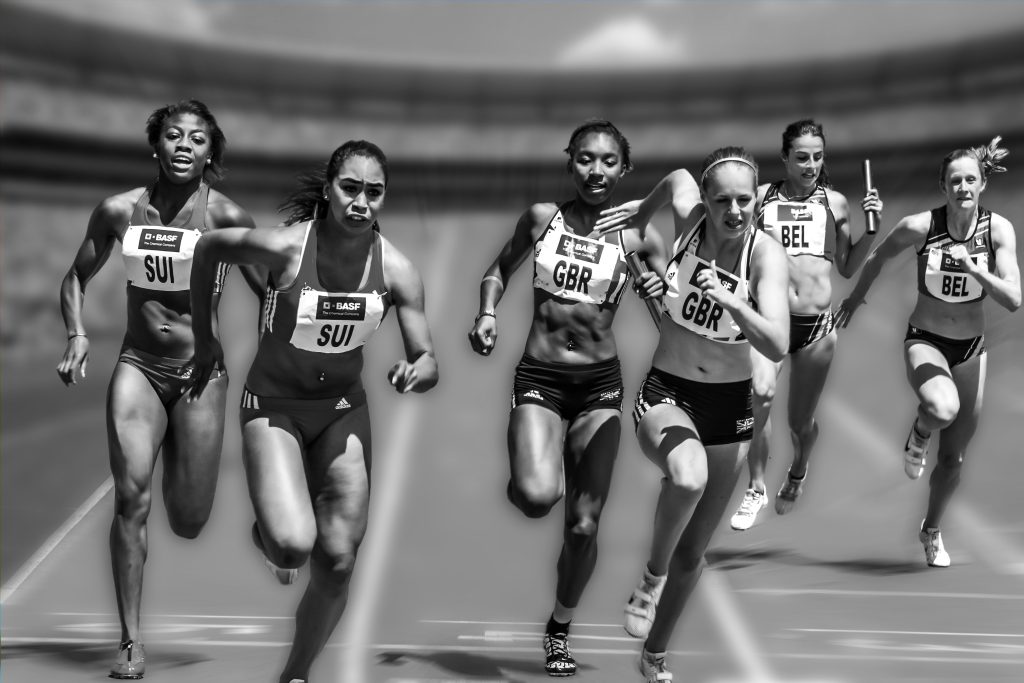
Material Technology – Innovation In Shoe Design
Modern athletic footwear incorporates advanced materials to improve performance and durability. Lightweight foams reduce fatigue while maintaining cushioning. Breathable mesh fabrics regulate temperature and moisture. Carbon plates enhance propulsion in elite running shoes. Rubber compounds are engineered for grip and flexibility. Synthetic uppers provide structure without excess weight. Material innovation allows shoes to be sport-specific and personalized. Athletes benefit from reduced weight, improved responsiveness, and longer lifespan. Incorrect materials can hinder movement or degrade quickly. Shoe manufacturers invest heavily in tech design, research and development. Material technology reflects the fusion of science and sport. Innovation drives the evolution of athletic footwear.
| Material | Function | Benefit |
|---|---|---|
| EVA foam | Cushioning | Reduces impact fatigue |
| Mesh fabric | Breathability | Regulates temperature |
| Carbon plate | Propulsion | Boosts speed |
| Rubber outsole | Traction | Enhances grip |
| Synthetic upper | Structure | Maintains shape |
| TPU overlays | Durability | Prevents wear |
Conclusion – Footwear As A Foundation Of Athletic Success
Footwear is not merely an accessory but a foundational element of athletic success. The correct shoes enhance biomechanics, prevent injuries, and boost psychological confidence. They align with sport-specific demands and support long-term health. Material innovation continues to improve performance and comfort. Incorrect footwear, by contrast, undermines safety, efficiency, and readiness. Athletes must treat footwear selection as a strategic decision. Coaches, trainers, and medical staff play vital roles in guiding choices. The consequences of footwear extend beyond the field or court. Understanding and respecting the role of shoes leads to better outcomes. Athletic excellence begins with what’s underfoot.
Join The Discussion – Share Your Experience
Have you ever noticed a difference in your performance or comfort based on the shoes you wore? What do you think is the most overlooked aspect of athletic footwear?
#AthleteFootwear #SportsPerformance #InjuryPrevention #BiomechanicsInSport #FootwearMatters #AthleteHealth #SportSpecificShoes #MaterialInnovation #FootStructureSupport #ConfidenceInGear


I love how practical and realistic your tips are.
You clearly know your stuff. Great job on this article.
Thank you for offering such practical guidance.
I love the clarity in your writing.
Your thoughts are always so well-organized and presented.
Keep educating and inspiring others with posts like this.
It’s interesting how much footwear impacts biomechanics and injury prevention, as the article explains. I also found a helpful overview of choosing appropriate footwear for different activities on https://tinyfun.io/game/cowboy-safari.