Why Heat Factors Must Be Controlled In Every Sport For All Participants
Heat Factors & Heat Safety
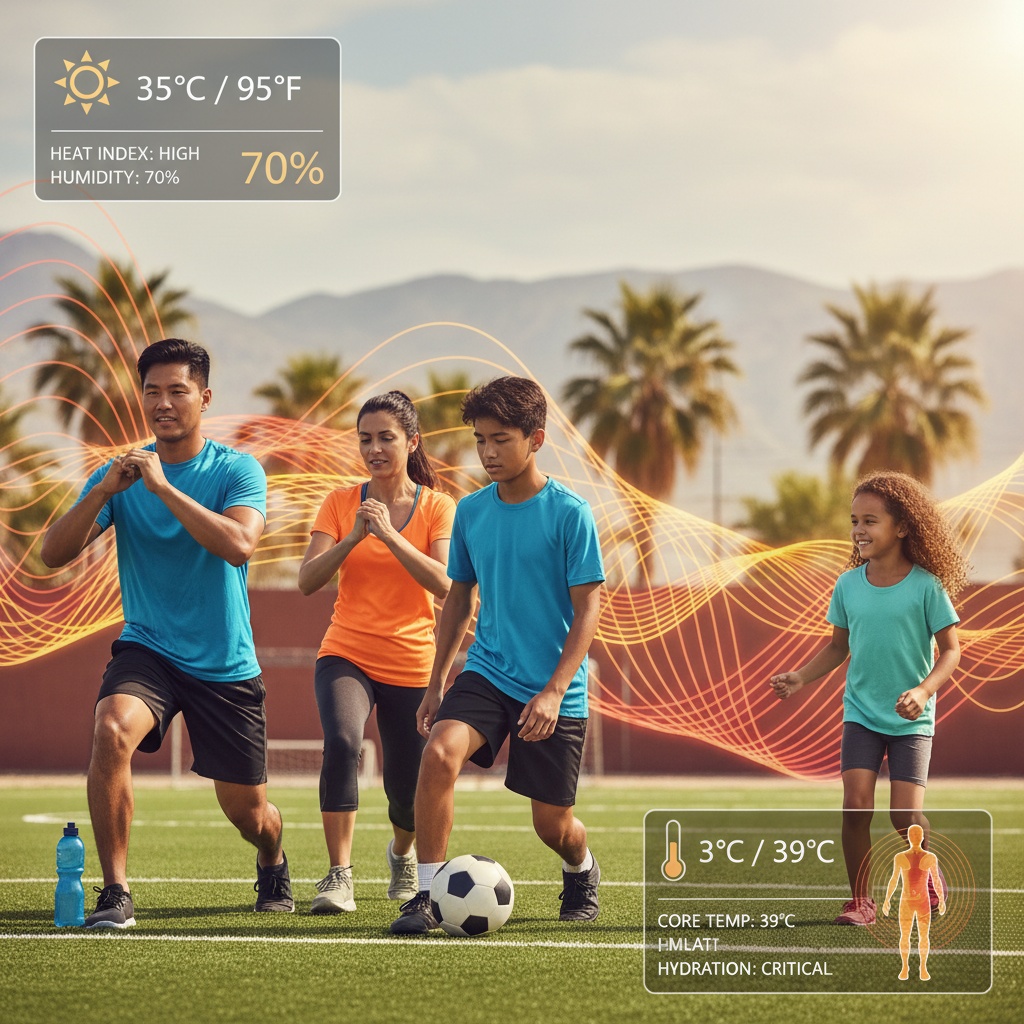
Heat has become one of the most significant challenges facing modern sport, affecting everyone from elite athletes to the youngest volunteers. Rising temperatures create unpredictable conditions that can compromise performance, safety, and long term wellbeing. Sporting organisations now face increasing pressure to implement stronger Heat Factors & management systems that protect all individuals involved. The issue extends far beyond players, reaching umpires, ball kids, coaches, media crews, and support staff.
The Growing Impact Of Heat On Athletic Performance
How Rising Temperatures Change The Competitive Landscape
Heat places enormous strain on the human body, reducing endurance and altering decision making under pressure. Athletes often struggle to maintain consistent performance when temperatures rise beyond safe thresholds. The physical toll can lead to slower reaction times, reduced accuracy, and increased fatigue. These changes affect the fairness and integrity of competition, making heat management essential. Without proper control, the quality of sport declines for both participants and spectators.
| Heat Effect | Performance Impact | Notes |
|---|---|---|
| Dehydration | Reduced stamina | Occurs quickly in high heat |
| Muscle fatigue | Slower reactions | Affects precision |
| Overheating | Loss of focus | Dangerous for long events |
| Heat stress | Increased errors | Impacts decision making |
The Responsibility To Protect All Sporting Participants
Why Safety Must Extend Beyond The Athletes
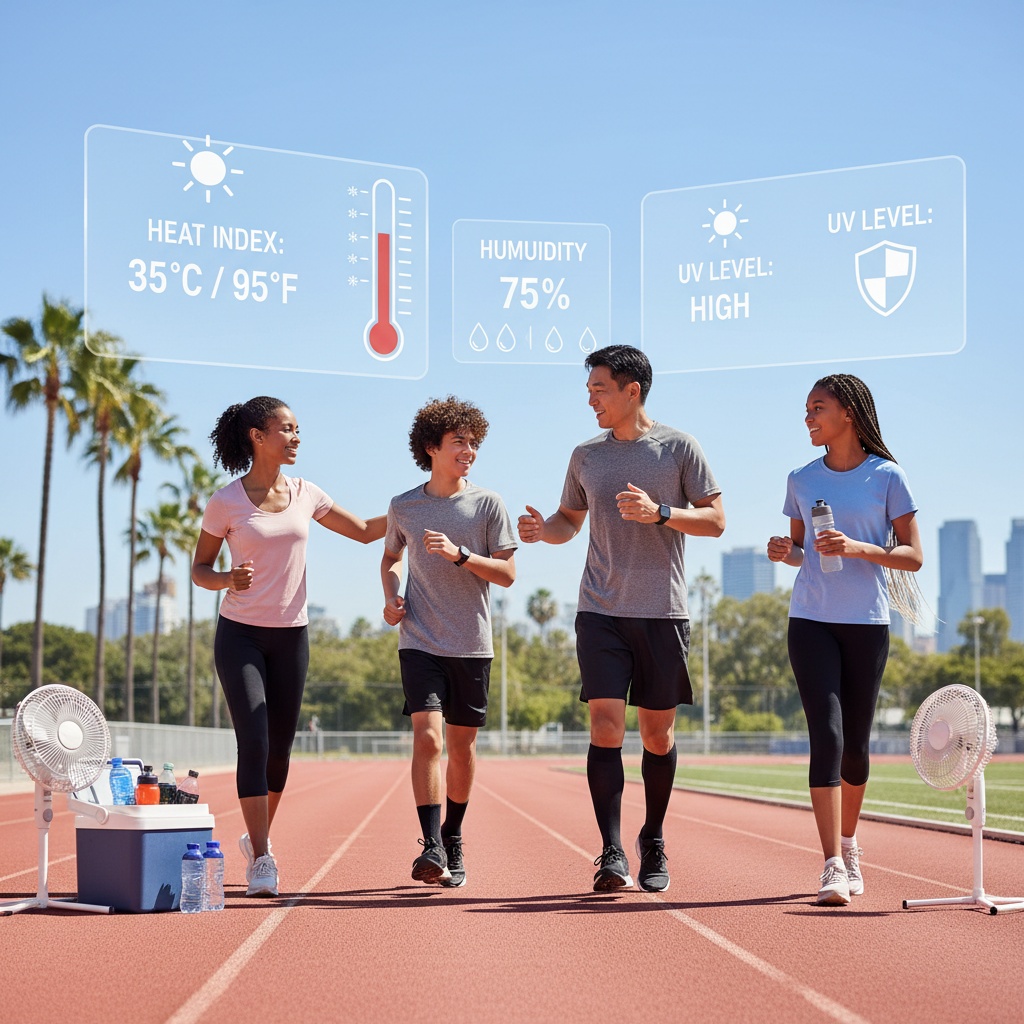
Heat does not discriminate between roles, and everyone present at a sporting event faces the same environmental risks. Umpires and referees often stand in direct sunlight for long periods without relief. Ball kids move constantly and may not recognise early signs of heat stress. Coaches, photographers, and event staff also work in exposed areas with limited shade. Protecting all participants requires a unified approach that acknowledges every individual’s vulnerability.
- Heat affects every role equally
- Umpires face long exposure
- Ball kids may not recognise symptoms
- Staff often work without shade
- Safety must be universal
The Need For Clear Heat Management Policies
How Structured Guidelines Improve Safety
Sporting organisations benefit greatly from implementing clear and enforceable heat policies. These guidelines help determine when play should pause, when hydration breaks are required, and when conditions become unsafe. Consistent rules ensure fairness across competitions and reduce confusion among participants. Policies also provide a framework for rapid decision making during extreme conditions. Strong heat management systems create safer and more predictable sporting environments.
| Policy Element | Purpose | Notes |
|---|---|---|
| Temperature thresholds | Define safe limits | Based on scientific data |
| Mandatory breaks | Reduce heat load | Protects all participants |
| Shade access | Prevent overheating | Essential for recovery |
| Monitoring systems | Track conditions | Supports quick decisions |
The Hidden Risks Faced By Young Sporting Volunteers
Why Children Require Extra Protection
Young volunteers such as ball kids are particularly vulnerable to heat due to their developing bodies and limited experience. They may not recognise early signs of heat exhaustion or feel confident enough to ask for help. Their roles often require constant movement, increasing the risk of overheating. Sporting organisations must prioritise their safety with strict guidelines and supervision. Protecting young participants ensures that sport remains a safe and positive environment.
- Children are more vulnerable
- They may not report symptoms
- Constant movement increases risk
- Supervision is essential
- Safety must be proactive
The Importance Of Real Time Heat Monitoring
How Technology Supports Safer Sporting Conditions
Modern technology allows sporting venues to track temperature, humidity, and radiant heat in real time. These measurements provide accurate insights into how conditions affect human performance and safety. Automated systems can alert officials when thresholds are reached, prompting immediate action. This approach reduces reliance on subjective judgement and ensures consistent decision making. Real time monitoring strengthens the overall safety framework of any sporting event.
| Monitoring Tool | Function | Notes |
|---|---|---|
| Heat index sensors | Measure combined stress | More accurate than temperature alone |
| Digital alerts | Notify officials | Enables quick response |
| Weather tracking | Predicts changes | Helps plan schedules |
| Surface temperature checks | Assess playing fields | Important for artificial surfaces |
The Psychological Toll Of Competing In Extreme Heat
How Mental Performance Declines Under Stress
Heat affects not only the body but also the mind, reducing concentration and increasing frustration. Athletes may struggle to maintain composure when conditions become overwhelming. Decision making becomes slower and less accurate, affecting the flow of competition. Officials may also experience reduced clarity, leading to inconsistent rulings. Managing heat is essential for maintaining mental sharpness across all roles.
- Heat reduces concentration
- Decision making slows
- Emotional control becomes harder
- Officials may make errors
- Mental fatigue affects fairness

The Role Of Hydration Strategies In Heat Safety
How Proper Fluid Management Protects Participants
Hydration plays a critical role in preventing heat related issues during sport. Athletes, officials, and volunteers must have regular access to water and electrolyte solutions. Scheduled hydration breaks help maintain safe fluid levels throughout events. Education on proper hydration habits ensures that individuals prepare adequately before competition. Effective hydration strategies reduce the risk of heat stress and improve overall wellbeing.
| Hydration Method | Benefit | Notes |
|---|---|---|
| Water stations | Easy access | Must be frequent |
| Electrolyte drinks | Replace minerals | Important for long events |
| Scheduled breaks | Prevent dehydration | Should be mandatory |
| Pre event hydration | Improves readiness | Often overlooked |
The Need For Shade And Cooling Infrastructure
How Physical Structures Reduce Heat Exposure
Sporting venues must invest in shade structures, cooling zones, and rest areas to protect participants. These spaces allow individuals to recover from heat exposure and stabilise their body temperature. Portable shade solutions can be used for outdoor events with limited infrastructure. Cooling stations equipped with fans or misting systems provide additional relief. Proper infrastructure ensures that heat management becomes a built in part of event planning.
- Shade reduces direct exposure
- Cooling zones support recovery
- Portable structures increase flexibility
- Misting systems lower body temperature
- Infrastructure improves long term safety
The Impact Of Heat On Officiating Quality
How Conditions Influence Decision Making
Officials must maintain high levels of focus and accuracy throughout competition, yet heat can significantly impair their performance. Prolonged exposure leads to fatigue, slower reactions, and reduced clarity. These changes can affect the fairness of decisions and the overall flow of the event. Ensuring officials have access to shade, hydration, and rest is essential. Heat control directly supports the integrity of officiating.
| Officiating Challenge | Heat Impact | Notes |
|---|---|---|
| Reaction time | Slows down | Affects accuracy |
| Concentration | Decreases | Leads to mistakes |
| Physical fatigue | Increases | Reduces mobility |
| Decision clarity | Declines | Impacts fairness |
The Ethical Obligation To Prioritise Health Over Scheduling
Why Safety Must Come Before Timetables
Sporting organisations often face pressure to maintain schedules, but extreme heat demands flexibility. Prioritising health means adjusting start times, delaying matches, or modifying formats when necessary. Ethical responsibility requires placing human wellbeing above commercial or logistical concerns. Participants must trust that their safety is valued at all times. Strong heat policies reinforce this commitment.
- Health must outweigh scheduling
- Delays may be necessary
- Ethical duty protects participants
- Trust depends on safety
- Flexibility ensures wellbeing
The Influence Of Climate Change On Sporting Conditions
How Rising Temperatures Reshape The Future Of Sport
Climate change has increased the frequency and intensity of heat events across the globe. Sporting organisations must adapt to these new realities by implementing stronger heat control measures. Traditional seasonal expectations no longer guarantee safe conditions. Long term planning must include climate projections and risk assessments. The future of sport depends on proactive adaptation.
| Climate Factor | Sporting Impact | Notes |
|---|---|---|
| Rising temperatures | More heat delays | Affects scheduling |
| Extreme heatwaves | Increased risk | Requires stronger policies |
| Unpredictable weather | Harder planning | Needs real time monitoring |
| Higher humidity | Greater stress | Impacts endurance |
The Importance Of Education And Awareness
How Knowledge Reduces Heat Related Risks
Education empowers participants to recognise early signs of heat stress and respond appropriately. Athletes and staff must understand the importance of hydration, rest, and protective measures. Awareness campaigns help normalise safety practices across all levels of sport. Coaches and officials play a key role in reinforcing these messages. Knowledge becomes a powerful tool for prevention.
- Education reduces risk
- Awareness normalises safety
- Coaches reinforce good habits
- Staff must recognise symptoms
- Knowledge empowers action
The Value Of Heat Adaptation Training
How Preparation Improves Safety And Performance
Heat adaptation training helps athletes and staff adjust to challenging conditions before competition. Controlled exposure allows the body to develop better cooling responses and improved endurance. This preparation reduces the likelihood of heat related issues during events. Training programs must be carefully monitored to ensure safety. Adaptation enhances both performance and resilience.
| Adaptation Method | Benefit | Notes |
|---|---|---|
| Gradual exposure | Builds tolerance | Must be supervised |
| Controlled sessions | Reduce risk | Helps conditioning |
| Hydration planning | Supports adaptation | Essential for safety |
| Recovery protocols | Prevent overheating | Important after training |

The Need For Universal Heat Standards Across All Sports
How Consistency Protects Every Participant
Different sports often use different heat policies, creating confusion and inconsistency. Universal standards would ensure that all participants receive equal protection regardless of the event. Consistent rules also simplify training and preparation for athletes and staff. A unified approach strengthens safety across the entire sporting landscape. Universal standards represent a major step toward fairness and wellbeing.
- Consistency improves safety
- Universal rules reduce confusion
- Athletes benefit from clarity
- Staff can prepare more effectively
- Standards protect all roles
Conclusion
Heat control must become a central priority in every sport, protecting athletes, officials, volunteers, and support staff from unnecessary risk. Rising temperatures demand stronger policies, better infrastructure, and greater awareness across all levels of competition. The wellbeing of participants must always outweigh scheduling pressures or commercial interests. By embracing comprehensive heat management strategies, sporting organisations can create safer and more sustainable environments. The future of sport depends on proactive action and a commitment to universal safety.
Join The Discussion
How do you think sporting organisations should adapt to rising heat conditions, and what changes would you prioritise to protect everyone involved?
#HeatSafetyInSport #SportingWellbeing #AthleteProtection #SafeSportEnvironment #ClimateAwareSport #SportsHealth #HeatManagementInSport


