
Why Body Shape And Sports Talent Do Not Always Align
Body Shape And Sports
The relationship between body shape and sporting talent has long been misunderstood, often shaped by assumptions that physical appearance directly predicts athletic ability. Yet the reality is far more complex, with countless examples of athletes who defy expectations and succeed in ways that challenge traditional ideas about what an athlete should look like. Talent emerges from a combination of skill, mindset, training, opportunity, and resilience, none of which can be measured by outward appearance alone. As sport evolves, so too does our understanding of how diverse bodies can excel in different environments, revealing that performance is shaped by far more than physique.

The Misconception Of The Ideal Athlete Body
How Assumptions Distort Perception
Many people assume that elite athletes must fit a specific physical mould, yet this belief overlooks the wide range of body types that succeed across different sports. The idea of an ideal body shape often comes from media portrayals rather than scientific reality, creating expectations that do not reflect the diversity of athletic success. Athletes who do not match these stereotypes often face doubt or criticism despite their proven ability. This misconception limits how people view potential and discourages those who do not fit the imagined standard. Sport becomes richer when we recognise that talent is not defined by appearance.
| Assumption | Reality | Impact |
|---|---|---|
| Lean equals fast | Technique matters more | Misjudged potential |
| Muscular equals strong | Strength varies by sport | Oversimplified views |
| Tall equals advantage | Depends on discipline | Misleading expectations |
| Slim equals endurance | Training is key | False assumptions |
The Role Of Skill Over Appearance
Why Technique Outweighs Physique
Skill is often the most decisive factor in performance, and it cannot be measured by body shape alone. Athletes with exceptional technique can outperform physically imposing competitors because mastery of movement creates efficiency and control. This truth is evident across sports where precision, timing, and decision making matter more than size or shape. Fans often underestimate how much practice and refinement contribute to success. Talent grows from skill, not appearance.
- Technique determines efficiency
- Skill develops through repetition
- Body shape does not predict mastery
- Precision outperforms size
- Talent emerges from practice
Genetic Diversity And Athletic Potential
How Bodies Adapt Differently
Human bodies vary widely due to genetics, and these differences influence how individuals respond to training, recovery, and physical stress. Two athletes with similar body shapes may perform very differently because their muscles, metabolism, and biomechanics function in unique ways. This diversity means that outward appearance cannot reliably predict performance. Athletes succeed when their natural traits align with the demands of their sport, regardless of how they look. Genetic variation ensures that talent is never one dimensional.
| Genetic Factor | Influence | Notes |
|---|---|---|
| Muscle fibre type | Speed or endurance | Sport specific |
| Limb proportions | Movement efficiency | Varies widely |
| Metabolism | Energy use | Individualised |
| Joint structure | Flexibility | Performance impact |
The Influence Of Mental Strength
Why Mindset Shapes Performance
Mental resilience often determines success more than physical traits, especially in high pressure environments. Athletes with strong focus, emotional control, and determination can outperform those with more traditionally athletic bodies. Mindset influences how athletes train, recover, and respond to setbacks. Fans often overlook the psychological dimension of sport, yet it is one of the most powerful predictors of long term success. Talent thrives when the mind is strong.
- Focus enhances performance
- Determination drives progress
- Resilience supports longevity
- Confidence shapes execution
- Mindset outweighs appearance
Training Adaptation And Individual Response
How Bodies Change Differently Over Time
Athletes respond to training in unique ways, with some developing strength, speed, or endurance faster than others regardless of their starting body shape. These adaptations depend on genetics, lifestyle, nutrition, and training quality. Two athletes with similar physiques may progress at completely different rates. This variation shows that body shape alone cannot predict future success. Talent evolves through adaptation, not appearance.
| Training Response | Outcome | Notes |
|---|---|---|
| Rapid strength gain | Power advantage | Individualised |
| Slow endurance build | Long term success | Consistency matters |
| Technique refinement | Efficiency | Skill based |
| Recovery speed | Performance stability | Genetic influence |
The Impact Of Opportunity And Access
Why Environment Shapes Talent
Athletes often succeed because they have access to coaching, facilities, and support systems that help them develop their abilities. Body shape plays no role in determining who receives these opportunities, yet access can dramatically influence performance. Many talented individuals never reach their potential simply because they lack resources. Opportunity shapes outcomes far more than appearance. Talent grows where support exists.
- Access determines development
- Coaching improves performance
- Resources shape opportunity
- Environment influences success
- Talent needs support
The Diversity Of Sporting Demands
Why Different Sports Value Different Traits
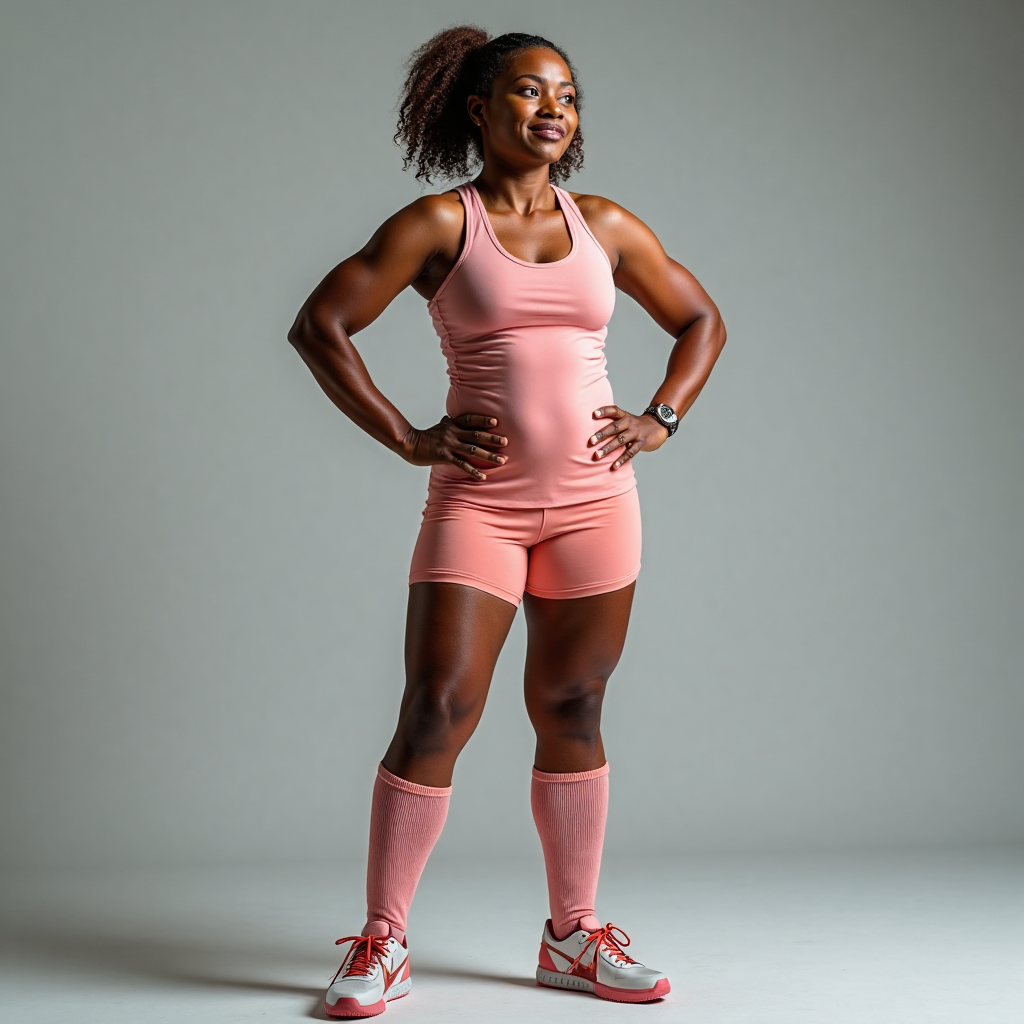
Each sport requires a unique combination of strength, speed, flexibility, coordination, and endurance, meaning no single body shape is ideal for all disciplines. Athletes succeed when their natural traits align with the specific demands of their sport. This diversity explains why champions come in all shapes and sizes. Fans often overlook how varied these requirements truly are. Sport thrives on diversity.
| Sport | Key Trait | Notes |
|---|---|---|
| Gymnastics | Flexibility | Compact strength |
| Sprinting | Power | Explosive movement |
| Swimming | Reach | Fluid technique |
| Weightlifting | Force | Short lever advantage |
The Myth Of The Perfect Athlete Body
Why Perfection Is A Misleading Concept
The idea of a perfect athlete body is rooted in outdated stereotypes that fail to reflect the complexity of modern sport. Athletes who do not match these ideals often outperform those who do, proving that success is not tied to appearance. Perfection is a myth that limits potential and discourages diversity. Real excellence comes from skill, dedication, and adaptability. Talent is never defined by shape.
- Perfection is unrealistic
- Stereotypes limit potential
- Success comes from skill
- Diversity strengthens sport
- Body shape does not define talent
The Importance Of Movement Efficiency
Why Function Matters More Than Form
Movement efficiency determines how well an athlete performs, and this efficiency depends on biomechanics rather than body shape. Athletes with unconventional physiques may move more effectively than those with traditional athletic builds. Efficiency reduces energy waste and improves performance across all sports. Fans often misjudge athletes based on appearance without understanding how their bodies function. Function always outweighs form.
| Efficiency Factor | Benefit | Notes |
|---|---|---|
| Joint alignment | Smooth movement | Reduces injury |
| Muscle balance | Stability | Performance boost |
| Coordination | Precision | Skill dependent |
| Rhythm | Consistency | Sport specific |
The Role Of Experience And Learning
Why Knowledge Enhances Talent
Experience shapes performance by teaching athletes how to make better decisions, manage pressure, and refine technique. These qualities cannot be seen in body shape, yet they often determine who succeeds at the highest level. Athletes with deep understanding of their sport can outperform physically superior competitors. Learning becomes a powerful equaliser. Talent grows through knowledge.
- Experience improves decision making
- Learning refines technique
- Knowledge enhances performance
- Pressure management shapes outcomes
- Talent evolves with time
The Influence Of Cultural Expectations
Why Society Misjudges Athletic Potential
Cultural expectations often shape how people view athletic potential, leading to assumptions about which body types belong in certain sports. These expectations can discourage participation and limit diversity. Athletes who challenge these norms often reveal how inaccurate these assumptions are. Society benefits when these barriers are broken. Talent emerges when expectations are challenged.
| Expectation | Reality | Notes |
|---|---|---|
| Tall for basketball | Skill matters more | Shooting and IQ |
| Slim for running | Power is essential | Strength based |
| Muscular for strength sports | Technique dominates | Leverage matters |
| Lean for endurance | Efficiency is key | Not appearance |
The Power Of Adaptability
Why Athletes Succeed Through Adjustment
Athletes who adapt quickly to new challenges often outperform those with more traditional physiques. Adaptability allows them to refine technique, adjust strategy, and overcome limitations. This flexibility is a major component of talent and cannot be predicted by body shape. Fans often underestimate how important adaptability is in long term success. Talent thrives through adjustment.
- Adaptability enhances performance
- Athletes overcome limitations
- Strategy evolves with experience
- Flexibility supports growth
- Talent is dynamic
The Impact Of Motivation And Drive
Why Desire Outperforms Appearance
Motivation fuels training, resilience, and long term commitment, making it one of the strongest predictors of success. Athletes with high motivation often outperform those with more favourable physiques because they work harder, learn faster, and push through adversity. Drive cannot be measured by appearance, yet it shapes every aspect of performance. Fans admire athletes who show relentless determination. Talent grows from desire.
| Motivation Factor | Influence | Notes |
|---|---|---|
| Commitment | Long term success | Consistency |
| Passion | Emotional strength | Sustains effort |
| Discipline | Training quality | Daily habits |
| Ambition | Goal pursuit | High achievement |
The Limitations Of Visual Judgement
Why Appearance Misleads Observers
Judging athletic potential by appearance alone leads to inaccurate assumptions because the body reveals little about skill, mindset, or experience. Many athletes who appear unassuming possess extraordinary ability that becomes evident only through performance. Visual judgement oversimplifies the complexity of sport. Fans often learn this lesson when unexpected athletes rise to prominence. Talent cannot be seen at a glance.
- Appearance misleads observers
- Performance reveals true ability
- Skill outweighs physique
- Fans learn through surprise
- Talent defies expectation
Conclusion
Body shape and sports talent do not go hand in hand because athletic success is shaped by skill, mindset, opportunity, genetics, experience, and adaptability rather than appearance. The diversity of sporting demands ensures that no single physique defines excellence. Athletes succeed when their abilities align with their sport, not when they match a stereotype. This truth challenges outdated assumptions and encourages a more inclusive understanding of talent. Sport becomes richer when we recognise that greatness comes in many forms.
Join The Discussion
Which athletes have surprised you by excelling in ways that defy traditional expectations about body shape and talent?


