The Meaning And Reality Of Locker Rooms In Sports
Locker Rooms In Sports – Understanding The Role Of Locker Rooms
Locker rooms, also known as change rooms, are integral facilities within sporting environments where athletes prepare physically and mentally before and after competition. These spaces are designed to provide privacy, organization, and a sense of team unity, while also serving practical functions such as storage, hygiene, and recovery. Historically, locker rooms evolved alongside organized sports, becoming standardized in stadiums, arenas, and community facilities. They are not merely functional spaces but also cultural environments where rituals, strategies, and emotions unfold. The architecture of locker rooms reflects both utility and symbolism, often embodying the values of the sport and the identity of the team.
Athletes rely on these rooms for equipment management, tactical briefings, and psychological readiness. Coaches use them as controlled environments to deliver instructions and motivate players. Medical staff depend on them for immediate treatment and monitoring of athletes. The locker room is therefore a hybrid space combining physical infrastructure with intangible social dynamics. Its importance extends beyond the game itself, influencing performance, morale, and cohesion. Understanding locker rooms requires examining their physical design, cultural significance, and evolving role in modern sports.
Physical Layout – Design And Infrastructure
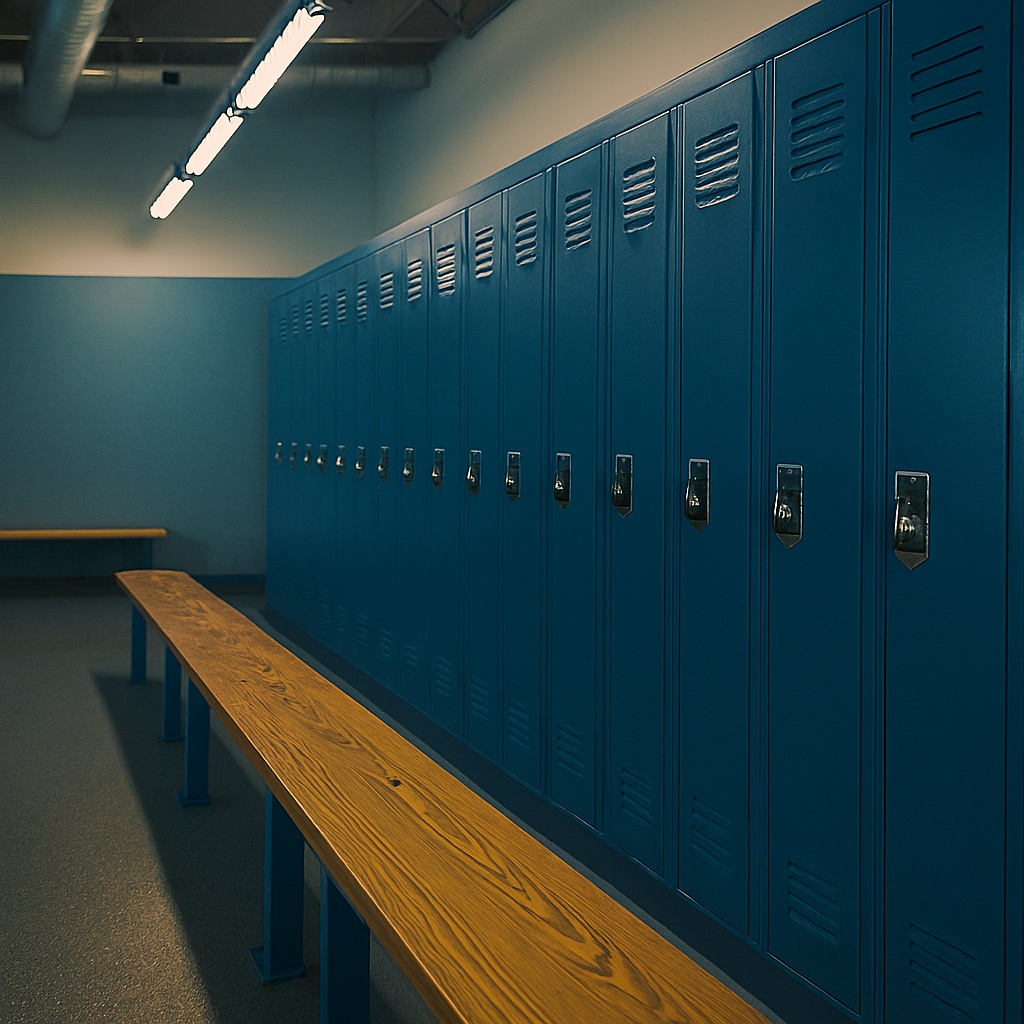
Locker rooms are carefully planned to balance privacy, accessibility, and efficiency. Architects consider ventilation, durability, and hygiene when designing these spaces. Materials such as stainless steel, ceramic tiles, and reinforced benches are chosen for resilience against heavy use. Lighting is optimized to create a calm yet alert atmosphere, often using bright but non-glaring fixtures. Showers and restrooms are positioned to maximize flow and minimize congestion. Storage lockers are arranged to provide personal space while maintaining team proximity. Accessibility features ensure inclusivity for athletes with disabilities. The design also incorporates safety measures such as non-slip flooring and emergency exits.
Modern locker rooms often integrate technology, including digital screens for tactical analysis. The infrastructure reflects both tradition and innovation, adapting to the needs of contemporary athletes.
| Feature | Purpose | Example Material |
|---|---|---|
| Lockers | Personal storage | Steel or composite |
| Benches | Seating and preparation | Hardwood or reinforced plastic |
| Showers | Hygiene and recovery | Ceramic tile |
| Lighting | Visibility and mood | LED panels |
| Flooring | Safety and durability | Rubberized non-slip |
| Accessibility | Inclusivity | Ramps and wide doors |
Cultural Identity – Symbolism And Rituals
Locker rooms are more than physical spaces; they are cultural environments where traditions and rituals thrive. Teams often decorate walls with logos, mottos, and inspirational imagery to reinforce identity. Rituals such as pre-game chants, silent focus periods, or symbolic gestures occur within these rooms.
Athletes perceive locker rooms as sanctuaries where they can express vulnerability and strength simultaneously. The cultural symbolism extends to how victories and defeats are processed, with celebrations and consolations taking place in these spaces. Coaches often use locker rooms to instill discipline and reinforce values. The atmosphere can vary dramatically depending on the sport, ranging from intense focus in boxing gyms to collective energy in football stadiums. Locker rooms also reflect broader societal values, such as inclusivity and respect. They serve as microcosms of the sporting culture, embodying both tradition and innovation.
- Reinforcement of team identity through visual design
- Rituals that strengthen psychological readiness
- Spaces for collective celebration or mourning
- Environments for discipline and respect
- Reflection of broader cultural values
- Sanctuary for athletes’ emotional expression
- Symbolic connection to the sport’s heritage
- Variation across different sporting disciplines
- Influence on morale and cohesion
- Integration of inclusivity and diversity
- Balance between tradition and modernity
- Embodiment of intangible team spirit
Hygiene And Recovery – Facilities And Practices
Locker rooms are designed to support hygiene and recovery, which are essential for athlete health. Showers, restrooms, and sanitation stations are strategically placed to encourage cleanliness. Recovery areas may include things for warming up or ice baths, massage tables, and stretching zones. Hygiene protocols are enforced to prevent infections such as athlete’s foot or staph. Medical staff often operate within locker rooms to provide immediate care. Ventilation systems reduce humidity and odors, ensuring a healthier environment.
Athletes rely on these facilities to maintain peak condition before and after competition. Recovery practices are integrated into the locker room routine, emphasizing the importance of rest and repair. Hygiene standards also reflect professionalism and respect for teammates. The locker room thus becomes a hub for both physical and medical support.
| Facility | Function | Example Use |
|---|---|---|
| Showers | Cleanliness | Post-match washing |
| Ice baths | Recovery | Muscle inflammation reduction |
| Massage tables | Therapy | Injury prevention |
| Ventilation | Air quality | Humidity control |
| Sanitation stations | Hygiene | Handwashing and sterilization |
| Medical corner | Treatment | First aid and monitoring |
Tactical Preparation – Strategy And Communication
Locker rooms serve as critical spaces for tactical preparation. Coaches use them to deliver pre-game instructions, halftime adjustments, and post-game analysis. Whiteboards, digital screens, and video systems are integrated for visual communication. Athletes gather to absorb strategies and clarify roles. The environment allows for focused discussion without external distractions. Tactical preparation in locker rooms emphasizes clarity, motivation, and adaptability. Communication is structured to ensure every player understands their responsibilities. The locker room becomes a temporary classroom where sport-specific knowledge is reinforced. Strategy sessions often blend technical detail with motivational language. The controlled environment enhances concentration and unity. Tactical preparation in locker rooms is therefore a cornerstone of competitive success.
- Delivery of pre-game instructions
- Halftime adjustments and corrections
- Use of visual aids such as whiteboards
- Integration of digital analysis tools
- Focused discussion without distractions
- Reinforcement of player roles and responsibilities
- Combination of technical and motivational language
- Structured communication for clarity
- Temporary classroom environment
- Enhancement of concentration and unity
- Adaptability to changing circumstances
- Cornerstone of competitive success
Privacy And Security – Safeguarding Athlete Spaces
Locker rooms are designed to protect the privacy and dignity of athletes. Access is usually restricted to players, coaches, and authorized staff, ensuring confidentiality. Surveillance systems may monitor entrances but rarely intrude inside, preserving trust. Privacy partitions, curtains, and designated zones help athletes change without exposure. Security staff often guard entrances during major events to prevent unauthorized access. The importance of privacy extends to safeguarding sensitive conversations and tactical discussions. Athletes rely on locker rooms as safe spaces where they can express emotions freely. Security measures also prevent theft of personal belongings and equipment. The balance between openness and privacy is carefully managed. Locker rooms thus embody both physical and psychological safety.
| Security Measure | Purpose | Example |
|---|---|---|
| Restricted access | Prevent intrusion | Staff-only entry |
| Surveillance | Monitor entrances | Cameras at doors |
| Privacy partitions | Protect dignity | Curtains or cubicles |
| Security staff | Guard entry | Event security teams |
| Lockable storage | Prevent theft | Combination lockers |
| Confidential zones | Protect discussions | Tactical meeting areas |
Inclusivity And Accessibility – Designing For All Athletes
Modern locker rooms prioritize inclusivity and accessibility to ensure every athlete feels respected. Facilities are designed to accommodate athletes with disabilities, including ramps, wide doors, and adapted showers. Gender inclusivity is increasingly emphasized, with separate or flexible spaces provided. Cultural sensitivity is also considered, ensuring environments respect diverse traditions. Inclusivity extends to psychological safety, where athletes feel welcome regardless of background. Accessibility features are integrated seamlessly into design rather than treated as add-ons. Teams recognize that inclusivity strengthens morale and cohesion. Locker rooms thus reflect broader societal commitments to equality. The evolution of inclusivity in locker rooms mirrors progress in sports culture.
- Ramps and wide doors for mobility access
- Adapted showers and restrooms for diverse needs
- Gender-inclusive spaces for respect and comfort
- Cultural sensitivity in design and usage
- Psychological safety for all athletes
- Seamless integration of accessibility features
- Reflection of equality in sports culture
- Strengthening of morale and cohesion
- Respect for diverse traditions and identities
- Evolution alongside societal progress
- Recognition of inclusivity as essential
- Commitment to equality in design and practice
Psychological Impact – Mental Preparation And Resilience
Locker rooms influence athletes’ psychological states before, during, and after competition. The environment can foster calmness, focus, or intensity depending on design and culture. Coaches use locker rooms to deliver motivational speeches that shape mental resilience. Athletes often develop personal rituals within these spaces to manage stress. The psychological impact extends to how athletes process victory or defeat. Locker rooms provide a controlled environment for emotional regulation. The atmosphere can reduce anxiety and enhance confidence. Mental preparation in locker rooms is as vital as physical readiness. The design and culture of these spaces directly affect psychological outcomes. Locker rooms thus serve as mental sanctuaries for athletes.
| Psychological Factor | Influence | Example |
|---|---|---|
| Motivation | Boosts confidence | Pre-game speeches |
| Rituals | Manage stress | Personal routines |
| Emotional regulation | Controls anxiety | Quiet zones |
| Focus | Enhances readiness | Concentration areas |
| Resilience | Builds strength | Post-game reflection |
| Confidence | Improves performance | Team unity |
Historical Evolution – From Simple Rooms To Modern Complexes
Locker rooms have evolved significantly over time. Early facilities were basic, offering minimal privacy and hygiene. As sports professionalized, locker rooms became more sophisticated. The introduction of showers and storage lockers marked a turning point. By the mid-20th century, locker rooms incorporated medical and tactical areas. Modern complexes now integrate technology, inclusivity, and recovery zones. The evolution reflects broader changes in sports infrastructure. Historical locker rooms often mirrored societal attitudes toward athletes. Today’s locker rooms embody professionalism and innovation. The transformation highlights the growing importance of athlete welfare. Locker rooms thus represent both continuity and progress in sports culture.
- Early facilities with minimal privacy
- Introduction of showers and lockers
- Mid-20th century medical integration
- Tactical areas for strategy sessions
- Modern complexes with technology
- Inclusivity and accessibility emphasis
- Recovery zones for athlete welfare
- Reflection of societal attitudes
- Professionalization of sports environments
- Innovation in design and infrastructure
- Continuity of core functions
- Progress in athlete support systems
Gender Considerations – Respect And Equality
Locker rooms must address gender considerations to ensure respect and equality. Historically, facilities often prioritized male athletes, leaving female athletes with inadequate spaces. Modern sports culture emphasizes equal facilities for all genders. Separate locker rooms are common, but flexible designs are emerging. Gender inclusivity also involves respecting privacy and cultural norms. Facilities are designed to prevent discrimination and foster equality. Coaches and staff are trained to uphold respectful practices. Gender considerations extend to professional and amateur levels alike. Locker rooms thus reflect broader commitments to equality in sports. The evolution of gender inclusivity highlights progress in athletic environments.
| Consideration | Purpose | Example |
|---|---|---|
| Equal facilities | Ensure fairness | Separate but equal rooms |
| Flexible design | Respect diversity | Adaptable spaces |
| Privacy | Protect dignity | Curtains and partitions |
| Cultural norms | Respect traditions | Custom layouts |
| Staff training | Uphold respect | Equality workshops |
| Inclusivity | Foster equality | Gender-sensitive policies |
Technological Integration – Modern Tools And Innovation
Technology has transformed locker rooms into advanced preparation hubs. Digital screens display tactical information and performance metrics. Communication systems allow coaches to deliver precise instructions. Recovery technologies such as cryotherapy units are integrated. Smart lockers provide secure and personalized storage. Lighting systems can be adjusted to influence mood. Ventilation and climate control are digitally managed. Technology enhances both utility and psychological readiness. Athletes benefit from immediate access to data and analysis. Locker rooms thus embody the fusion of tradition and innovation. The integration of technology reflects the modernization of sports environments.
- Digital screens for tactical information
- Communication systems for precise instructions
- Cryotherapy units for recovery
- Smart lockers for secure storage
- Adjustable lighting for mood influence
- Digital ventilation and climate control
- Immediate access to data and analysis
- Fusion of tradition and innovation
- Enhancement of utility and readiness
- Modernization of sports environments
- Benefits for athletes and coaches
- Reflection of technological progress
Professional Standards – Codes And Expectations
Locker rooms operate under professional standards that ensure order and respect. Codes of conduct regulate behavior within these spaces. Athletes are expected to maintain hygiene and discipline. Coaches enforce rules to preserve focus and unity. Professional standards also cover inclusivity and equality. Violations of locker room codes can lead to penalties. Standards reflect the values of the sport and organization. They ensure locker rooms remain safe and functional. Professional expectations extend to staff and visitors. Locker rooms thus embody the professionalism of modern sports.
| Standard | Purpose | Example |
|---|---|---|
| Hygiene | Maintain cleanliness | Shower protocols |
| Discipline | Preserve focus | No distractions |
| Inclusivity | Ensure equality | Gender respect |
| Conduct | Regulate behavior | Codes of practice |
| Safety | Protect athletes | Emergency exits |
| Professionalism | Reflect values | Team policies |
Future Innovations – Evolving Locker Room Concepts
Locker rooms will continue to evolve with future innovations. Sustainable materials will reduce environmental impact. Smart technology will enhance personalization and efficiency. Virtual reality may be used for tactical preparation. Biometric systems could monitor athlete health in real time. Flexible designs will accommodate diverse needs. Inclusivity will remain a priority in future concepts. Locker rooms may integrate wellness and mindfulness zones. The evolution will reflect broader societal and technological trends. Future innovations will balance tradition with progress. Locker rooms will remain central to sports culture.
- Sustainable materials for reduced impact
- Smart technology for personalization
- Virtual reality for tactical preparation
- Biometric systems for health monitoring
- Flexible designs for diverse needs
- Inclusivity as a continuing priority
- Wellness and mindfulness integration
- Reflection of societal trends
- Balance of tradition and progress
- Centrality to sports culture
- Enhancement of athlete welfare
- Innovation in design and function
Conclusion – The Enduring Importance Of Locker Rooms
Locker rooms remain essential components of sporting environments, combining physical infrastructure with cultural and psychological significance. They are spaces where athletes prepare, recover, and bond, while also serving as arenas for strategy and identity. The evolution of locker rooms reflects broader changes in sports, society, and technology. Their enduring importance lies in their ability to balance utility with symbolism. As sports continue to evolve, locker rooms will adapt to new demands while retaining their core functions. They embody the intersection of tradition and innovation, providing athletes with both sanctuary and preparation. Understanding locker rooms is therefore crucial to appreciating the full scope of sporting culture.
Join The Discussion – Share Your Perspective
Locker rooms are multifaceted spaces that influence performance, identity, and community. What do you think defines the most important aspect of a locker room in modern sports?
#SportsCulture #LockerRoomReality #AthletePreparation #TeamIdentity #SportsInfrastructure #GameDaySpaces #SportsTradition #AthleteRecovery #InclusiveSports #FutureOfSports