
The Unique Qualities That Distinguish Sports People
Unique Qualities – Understanding The Essence Of Sporting Individuality
Every athlete carries qualities that extend beyond physical ability, shaping their uniqueness in ways that influence performance, legacy, and cultural impact. Sporting individuality is not simply about winning competitions but about the combination of personality, discipline, adaptability, and influence that defines their presence. Across history, athletes have demonstrated traits that separate them from peers, whether through innovation in technique, resilience in adversity, or leadership in collective environments. These qualities are observable in measurable achievements but also in intangible contributions to society and culture.
The uniqueness of sports people is often reflected in their ability to inspire audiences, challenge norms, and redefine expectations within their disciplines. Understanding these distinctions requires examining both factual performance data and contextual narratives that highlight their broader significance.

Physical Attributes – The Foundation Of Performance
Athletes often distinguish themselves through physical attributes that provide competitive advantages in their respective sports. Height, strength, speed, and endurance are measurable qualities that influence outcomes in disciplines ranging from basketball to marathon running. These attributes are not uniform across sports, as different activities demand specialized physical traits. For example, sprinters rely on explosive muscle power, while swimmers benefit from limb length and flexibility. Unique physical characteristics often determine the suitability of athletes for particular roles within their teams or events.
These traits are enhanced through training but are also influenced by genetics and natural predispositions. The uniqueness of physical attributes lies in the way they combine with skill and strategy to create distinctive performance styles. Athletes who maximize their physical potential often redefine standards within their sport. Their bodies become instruments of precision, endurance, and adaptability. The following table highlights examples of physical attributes that contribute to uniqueness in different sports.
| Sport | Unique Physical Attribute | Impact On Performance |
|---|---|---|
| Basketball | Exceptional height | Dominance in rebounds and shot-blocking |
| Sprinting | Explosive muscle power | Rapid acceleration and top speed |
| Swimming | Long wingspan | Efficient stroke mechanics |
| Marathon | High endurance capacity | Sustained pace over long distances |
| Gymnastics | Flexibility and balance | Execution of complex routines |
Mental Resilience – The Power Of Psychological Strength
Mental resilience is a defining quality that separates extraordinary athletes from their peers. The ability to remain focused under pressure, recover from setbacks, and maintain confidence in challenging circumstances is critical. Athletes often face intense scrutiny, high expectations, and unpredictable competition environments. Those who demonstrate psychological strength are able to adapt and thrive despite adversity. Mental resilience is cultivated through experience, preparation, and personal discipline.
It allows athletes to maintain composure during pivotal moments that determine outcomes. Unique individuals in sport often display remarkable consistency in high-stakes situations. Their mental toughness becomes a hallmark of their identity and inspires others to emulate their approach. This quality is not always visible in statistics but is evident in narratives of comeback victories and sustained excellence. The following points illustrate how mental resilience contributes to uniqueness.
- Ability to recover quickly from injury setbacks
- Maintaining focus during extended competition schedules
- Confidence in executing strategies under pressure
- Adaptability to changing conditions and opponents
- Emotional control in high-stakes environments
- Sustained motivation across long careers
- Capacity to inspire teammates through composure
- Overcoming external criticism and media pressure
- Persistence in training despite fatigue
- Mental preparation for unpredictable outcomes
- Visualization techniques to enhance performance
- Long-term consistency in competitive results
Technical Innovation – Redefining Sporting Methods
Technical innovation is a hallmark of athletes who introduce new methods that transform their disciplines. These individuals often experiment with techniques that challenge conventional wisdom and create new standards. Innovation can be seen in the introduction of unique playing styles, training methods, or tactical approaches. Athletes who innovate often face skepticism initially but later gain recognition for their contributions. Their uniqueness lies in their willingness to take risks and redefine possibilities.
Technical innovation often leads to long-term changes in how sports are played and taught. Examples include new swimming strokes, revolutionary tennis serves, or unorthodox basketball shooting forms. These innovations become part of the sport’s evolution and influence future generations. The following table highlights examples of technical innovation across different sports.
| Sport | Innovation | Impact |
|---|---|---|
| Tennis | Topspin-heavy baseline play | Increased rally endurance |
| Basketball | Three-point shooting emphasis | Expanded offensive strategies |
| Swimming | Butterfly stroke development | Enhanced speed and efficiency |
| Cricket | Reverse swing bowling | Greater unpredictability for batters |
| Football | False nine role | Tactical flexibility in attack |
Leadership Influence – Guiding Teams And Communities
Leadership influence distinguishes athletes who extend their impact beyond personal performance. These individuals inspire teammates, guide collective strategies, and often serve as role models within their communities. Leadership is not limited to captains but includes any athlete who demonstrates authority and vision. Unique leaders in sport often balance personal excellence with the ability to elevate others. Their influence extends to shaping team culture and motivating collective effort. Leadership qualities are evident in both verbal communication and non-verbal actions. Athletes who lead effectively often become symbols of unity and resilience. Their uniqueness lies in their ability to balance individual ambition with collective responsibility. The following points highlight aspects of leadership influence.
- Inspiring teammates through consistent effort
- Communicating strategies clearly during competition
- Setting standards for discipline and preparation
- Guiding younger athletes through mentorship
- Representing teams in public forums
- Maintaining composure during collective adversity
- Encouraging collaboration across diverse personalities
- Demonstrating accountability for outcomes
- Balancing personal ambition with team goals
- Creating a culture of respect and trust
- Leading by example in training and competition
- Extending influence to community initiatives
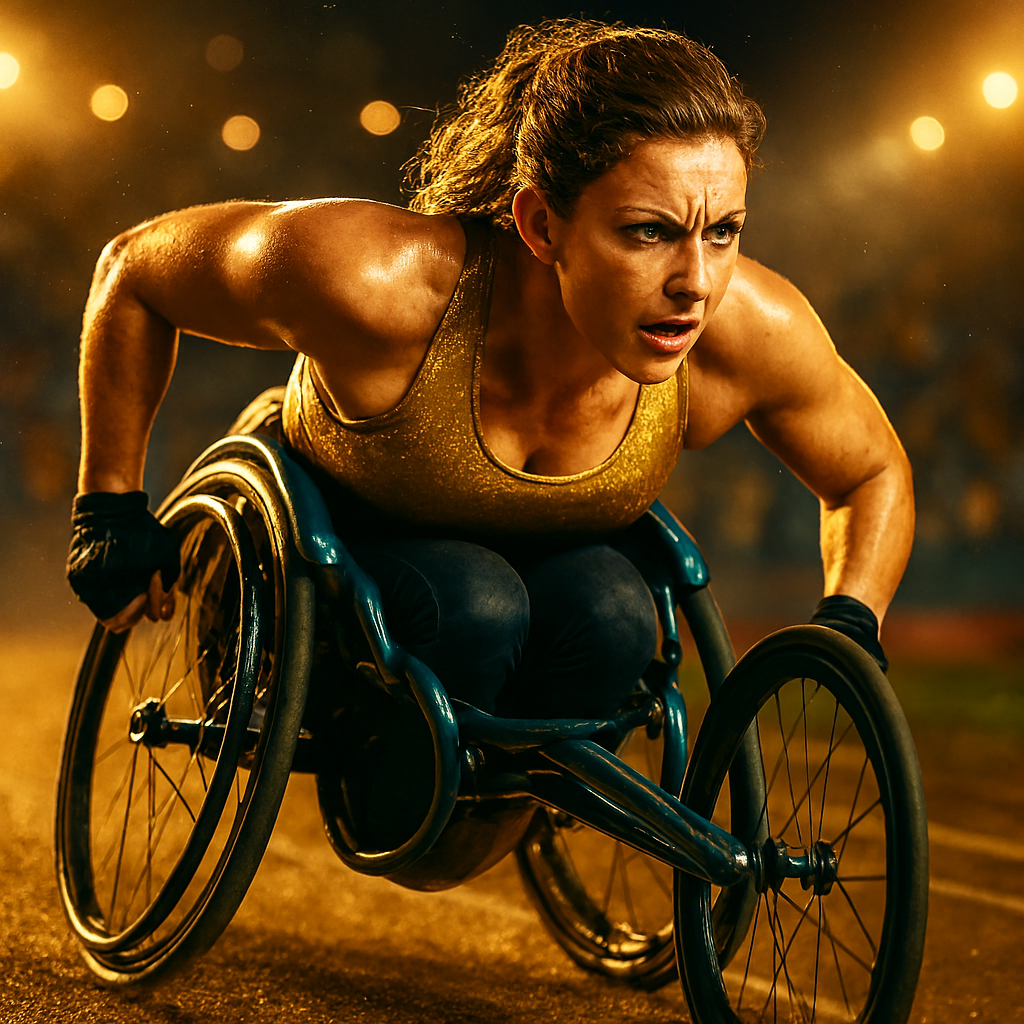
Cultural Impact – Shaping Identity Beyond The Field
Athletes often become cultural icons whose influence extends far beyond their sporting achievements. Their uniqueness lies in the way they embody values, traditions, and aspirations of communities. Cultural impact is evident when athletes inspire movements, represent national pride, or challenge social norms. This influence is not limited to their home countries but often resonates globally.
Athletes who achieve cultural significance often redefine how their sport is perceived. Their presence in media, fashion, and public discourse amplifies their uniqueness. Cultural impact also involves bridging divides and creating shared experiences across diverse audiences. Athletes who achieve this status often become symbols of unity and resilience. Their stories transcend competition and enter the realm of collective memory. The following table highlights examples of cultural impact across different contexts.
| Athlete Example | Cultural Impact | Broader Influence |
|---|---|---|
| Muhammad Ali | Advocacy for civil rights | Symbol of resistance and empowerment |
| Cathy Freeman | Representation of Indigenous Australians | National unity during Sydney Olympics |
| Pelé | Global football ambassador | Expanded sport’s reach worldwide |
| Serena Williams | Redefining gender roles in tennis | Inspiring women in sport and beyond |
| Usain Bolt | Celebration of Jamaican identity | Global recognition of sprinting excellence |
Adaptability – Thriving In Changing Conditions
Adaptability is a defining trait that allows athletes to remain competitive across varying circumstances. Unique individuals demonstrate the ability to adjust strategies, techniques, and mindsets when faced with new challenges. Adaptability is essential in sports where conditions change rapidly, such as outdoor events influenced by weather. Athletes who adapt effectively often maintain consistency despite unpredictable environments. This quality also applies to transitions between different stages of careers. Athletes who reinvent themselves demonstrate resilience and creativity. Adaptability ensures longevity and relevance in competitive landscapes. It is a hallmark of athletes who remain unique across multiple contexts. The following points highlight aspects of adaptability.
- Adjusting techniques to suit different opponents
- Modifying strategies in response to environmental changes
- Transitioning successfully between different roles or positions
- Reinventing training methods to maintain competitiveness
- Adapting to evolving rules and regulations
- Maintaining performance across diverse competition formats
- Balancing physical limitations with tactical adjustments
- Learning from setbacks to refine approaches
- Demonstrating versatility across multiple disciplines
- Sustaining relevance across generational shifts
- Responding effectively to technological innovations in sport
- Remaining composed in unpredictable circumstances
Longevity – Sustaining Excellence Over Time
Longevity is a quality that distinguishes athletes who maintain high performance across extended careers. Unique individuals demonstrate the ability to adapt physically and mentally to the demands of long-term competition. Longevity requires discipline, resilience, and continuous reinvention. Athletes who achieve this status often become benchmarks for endurance and consistency. Their careers provide evidence of sustained excellence that inspires future generations. Longevity is not simply about duration but about maintaining relevance and competitiveness. Athletes who remain at the top for decades demonstrate extraordinary commitment. Their uniqueness lies in their ability to balance physical decline with strategic evolution. Longevity often results in records that stand for generations. The following table highlights examples of longevity in sport.
| Athlete Example | Career Duration | Distinctive Achievement |
|---|---|---|
| Roger Federer | Over 20 years | Multiple Grand Slam titles |
| Tom Brady | Over 20 years | Record Super Bowl victories |
| Kelly Slater | Over 30 years | World surfing championships |
| Sachin Tendulkar | Over 20 years | Highest run scorer in cricket |
| Martina Navratilova | Over 20 years | Sustained dominance in tennis |
Ethical Standards – Integrity As A Defining Trait
Ethical standards distinguish athletes who prioritize integrity and fairness in competition. Unique individuals often become role models by demonstrating respect for rules and opponents. Ethical behavior enhances credibility and trust within sporting communities. Athletes who uphold high standards often influence broader discussions about fairness and justice. Their uniqueness lies in their ability to balance ambition with responsibility. Ethical standards are evident in decisions that prioritize honesty over short-term gain. Athletes who embody integrity often leave legacies that extend beyond statistics. Their influence contributes to shaping the moral fabric of sport. The following points highlight aspects of ethical standards.
- Respecting opponents regardless of outcomes
- Adhering to rules even under pressure
- Rejecting performance-enhancing substances
- Demonstrating fairness in competition
- Promoting equality and inclusivity
- Accepting responsibility for mistakes
- Supporting transparency in governance
- Encouraging ethical conduct among peers
- Maintaining honesty in public communication
- Prioritizing sportsmanship over personal gain
- Advocating for justice within sporting institutions
- Inspiring trust among fans and communities
Creativity – Expressing Originality In Performance
Creativity is a quality that distinguishes athletes who bring originality to their disciplines. Unique individuals often develop styles that are instantly recognizable. Creativity involves combining technical skill with imaginative approaches. Athletes who express creativity often redefine expectations and inspire innovation. Their uniqueness lies in their ability to surprise audiences and opponents. Creativity is evident in artistic sports but also in tactical disciplines. Athletes who innovate creatively often become cultural icons. Their performances are remembered for originality as much as for results. Creativity enhances the aesthetic appeal of sport and broadens its cultural relevance. The following table highlights examples of creativity in sport.
| Athlete Example | Creative Expression | Impact |
|---|---|---|
| Diego Maradona | Unpredictable dribbling | Redefined football artistry |
| Simone Biles | Innovative gymnastics routines | Expanded technical boundaries |
| Michael Jordan | Signature moves | Elevated basketball entertainment |
| Lionel Messi | Unique playmaking vision | Inspired tactical evolution |
| Shane Warne | Inventive spin bowling | Revolutionized cricket strategies |
Global Recognition – Achieving Worldwide Influence
Global recognition distinguishes athletes who transcend national boundaries to achieve worldwide influence. Unique individuals often become symbols of excellence across cultures. Their recognition is not limited to sporting achievements but extends to broader cultural significance. Athletes who achieve global recognition often represent ideals of determination and success. Their uniqueness lies in their ability to connect with diverse audiences. Global recognition often results in commercial partnerships and media presence. Athletes who achieve this status often shape perceptions of their sport internationally. Their influence contributes to the globalization of sporting culture. The following points highlight aspects of global recognition.
- Representing excellence across multiple continents
- Inspiring diverse cultural communities
- Expanding the global reach of their sport
- Becoming household names worldwide
- Shaping international sporting narratives
- Participating in global humanitarian initiatives
- Influencing international media coverage
- Inspiring cross-cultural collaborations
- Becoming symbols of unity across nations
- Enhancing global sporting events through presence
- Creating international fan bases
- Sustaining recognition across generations
Legacy – Enduring Influence Beyond Retirement
Legacy is the lasting influence athletes leave after their careers conclude. Unique individuals often shape the future of their disciplines through their contributions. Legacy involves records, cultural impact, and inspiration for future generations. Athletes who achieve enduring legacies often redefine standards permanently. Their uniqueness lies in their ability to remain relevant long after retirement. Legacy is not limited to statistics but includes broader cultural narratives. Athletes who leave strong legacies often become benchmarks for excellence. Their influence continues through coaching, mentorship, and advocacy. Legacy ensures that their uniqueness remains part of collective memory. The following table highlights examples of enduring legacies.
| Athlete Example | Legacy Contribution | Lasting Impact |
|---|---|---|
| Jackie Robinson | Breaking racial barriers | Permanent influence on equality in sport |
| Billie Jean King | Advocacy for gender equality | Transformation of tennis culture |
| Ayrton Senna | Motorsport excellence | Inspiration for safety reforms |
| Jesse Owens | Olympic triumphs | Symbol of resilience against oppression |
| Steve Waugh | Leadership in cricket | Cultural influence on team identity |

Paraathletes – Redefining Excellence Through Adaptation And Resilience
Paraathletes represent a unique dimension of sporting excellence, defined not by limitation but by adaptation, innovation, and resilience. Their achievements challenge conventional perceptions of physical capability and expand the definition of athletic performance. Competing across a wide range of classifications, paraathletes demonstrate mastery over both sport-specific skills and the adaptive technologies that support their participation.
The uniqueness of paraathletes lies in their ability to integrate physical training with technical customization, often requiring bespoke equipment and tailored strategies. These athletes navigate complex classification systems that ensure fair competition while highlighting the diversity of physical and sensory conditions. Paraathletes often undergo rigorous preparation that includes not only physical conditioning but also psychological resilience and logistical coordination. Their presence in global events such as the Paralympic Games has elevated awareness of inclusive sport and inspired broader societal change.
Many paraathletes serve as advocates for accessibility, equity, and innovation in sport and public life. Their performances are often marked by extraordinary precision, creativity, and determination, reflecting a deep commitment to excellence. The integration of prosthetics, wheelchairs, and other adaptive devices introduces new dimensions of technique and strategy. Paraathletes frequently pioneer new training methodologies that influence both adaptive and able-bodied sport. Their stories of perseverance and triumph redefine what it means to be an elite athlete in the modern era.
| Paraathlete | Sport | Unique Adaptation | Impact |
|---|---|---|---|
| Ellie Cole | Swimming | Single-leg propulsion technique | Multiple Paralympic medals and advocacy for inclusion |
| Kurt Fearnley | Wheelchair racing | Core-driven propulsion and terrain adaptation | Global recognition and leadership in disability rights |
| Madison de Rozario | Wheelchair marathon | Endurance-focused upper body training | Record-breaking performances and cultural influence |
| Dylan Alcott | Wheelchair tennis | Dual-sport mastery and tactical innovation | Golden Slam and national ambassador for accessibility |
| Louise Sauvage | Wheelchair athletics | Aerodynamic technique refinement | Pioneering role in Australian para sport development |
Conclusion – The Lasting Significance Of Unique Athletes
The uniqueness of sports people is defined by a combination of physical, mental, technical, and cultural qualities that extend beyond competition results. These individuals shape the evolution of their disciplines, inspire communities, and leave legacies that endure across generations. Their distinctiveness lies not only in measurable achievements but also in intangible contributions that redefine expectations. By examining their qualities through structured comparisons, we gain insight into the diverse ways athletes influence society.
Each unique trait contributes to a broader narrative of resilience, innovation, and leadership. The study of sporting individuality reveals why certain athletes remain unforgettable symbols of excellence. Their impact continues to inspire future generations to pursue originality and determination. Understanding these qualities enriches our appreciation of sport as a cultural and human phenomenon. The uniqueness of athletes is a reminder of the limitless potential of human endeavor. Their stories demonstrate how individuality can transform collective experiences. The conclusion emphasizes that uniqueness in sport is both a personal journey and a shared legacy.
Join The Discussion – Share Your Perspective
What qualities do you believe make athletes truly unique in their fields. How do these traits inspire you in your own pursuits.
#UniqueAthletes #SportingIdentity #AthleteLegacy #PerformanceAndCulture #InnovationInSport #LeadershipInAthletics #ResilienceInCompetition #GlobalSportingImpact


