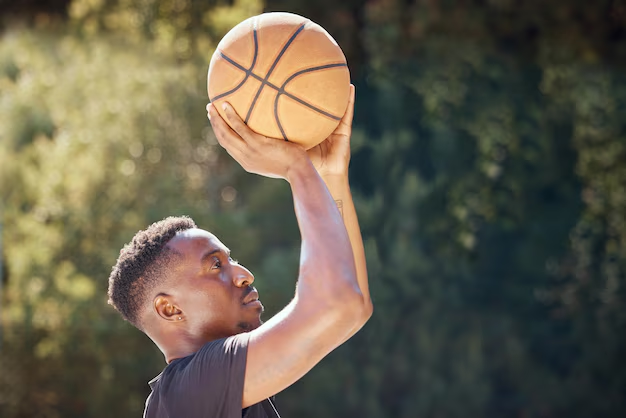
Why Does It Take A Team To Make One Sports Person
A Team To Make One Sports Person
Behind every successful athlete stands a network of people who contribute to their growth, stability, and performance in ways that often go unseen by the public. Sport may appear individual on the surface, but the journey to excellence requires guidance, structure, support, and expertise that no single person can manage alone. From coaching and medical care to emotional encouragement and logistical organisation, athletes rely on a team that helps them navigate the demands of training and competition. This collective effort ensures that the athlete can focus on performing at their highest level while others handle the essential elements that surround their development.
The Foundation Of Support Systems
How A Strong Network Shapes Athlete Development
Athletes depend on support systems that provide stability, encouragement, and structure throughout their journey. These systems help them manage challenges, maintain motivation, and stay focused on long term goals. Without this foundation, the pressures of sport can become overwhelming. Support becomes essential for growth. Athletes thrive when surrounded by people who understand their needs and challenges.
| Support Role | Contribution | Notes |
|---|---|---|
| Family | Emotional stability | Encourages resilience |
| Coaches | Skill development | Provide structure |
| Friends | Social balance | Reduce stress |
| Mentors | Guidance | Strengthen confidence |

The Influence Of Coaching Expertise
How Skilled Guidance Shapes Performance
Coaches play a central role in shaping an athlete’s technique, strategy, and mindset. Their expertise helps athletes refine their abilities and understand how to perform under pressure. Coaching provides structure and direction that athletes cannot create alone. Guidance becomes a cornerstone of development. Performance grows through expert instruction.
- Enhances technical skill
- Strengthens discipline
- Builds strategic understanding
- Supports emotional control
- Encourages long term improvement
The Role Of Medical And Physical Support
How Health Professionals Protect Athlete Wellbeing
Athletes rely on medical teams, physiotherapists, and trainers to maintain their physical health and prevent injuries. These professionals ensure that athletes recover properly and train safely. Their work protects long term wellbeing and performance. Health becomes a shared responsibility. Athletes depend on expert care.
| Medical Role | Contribution | Notes |
|---|---|---|
| Physiotherapists | Injury prevention | Maintain mobility |
| Sports doctors | Health monitoring | Support recovery |
| Trainers | Conditioning programs | Build strength |
| Nutritionists | Dietary planning | Enhance energy |
The Influence Of Emotional Support
How Encouragement Strengthens Mental Stability
Athletes face emotional highs and lows that require strong support from family, friends, and mentors. This emotional backing helps them stay grounded and resilient during challenging periods. Encouragement becomes a stabilising force. Mental strength grows through connection. Athletes rely on emotional balance.
- Reduces stress
- Supports confidence
- Encourages resilience
- Strengthens motivation
- Enhances wellbeing
The Role Of Strategic Planning
How Teams Shape Long Term Direction
Athletes need structured plans that outline training cycles, competition schedules, and performance goals. These plans are created by coaches, analysts, and support staff who understand how to optimise development. Strategy becomes a guiding framework. Athletes follow clear direction. Progress grows through planning.
| Planning Element | Contribution | Notes |
|---|---|---|
| Training cycles | Build progression | Support adaptation |
| Competition schedules | Manage workload | Reduce fatigue |
| Performance goals | Guide focus | Strengthen motivation |
| Recovery plans | Protect health | Enhance longevity |
The Influence Of Technical Specialists
How Expertise Enhances Performance Details
Many athletes work with specialists who focus on specific aspects of performance, such as biomechanics, speed, or technique refinement. These experts provide insights that help athletes make precise improvements. Specialisation becomes a performance advantage. Athletes grow through detailed analysis. Expertise shapes excellence.
- Improves efficiency
- Enhances technique
- Supports targeted development
- Strengthens competitive edge
- Builds long term refinement
The Role Of Team Culture
How Environment Shapes Athlete Mindset
A positive team culture helps athletes feel supported, motivated, and connected to a shared purpose. This environment encourages healthy habits, strong communication, and mutual respect. Culture becomes a foundation for success. Athletes thrive in supportive environments. Mindset grows through community.
| Cultural Element | Contribution | Notes |
|---|---|---|
| Shared values | Build unity | Encourage discipline |
| Positive atmosphere | Reduce stress | Support wellbeing |
| Mutual respect | Strengthen trust | Enhance teamwork |
| Clear expectations | Guide behaviour | Support consistency |

The Influence Of Performance Analysis
How Data Shapes Improvement
Performance analysts study movement patterns, statistics, and game footage to help athletes understand their strengths and weaknesses. This information guides training and strategy. Analysis becomes a tool for growth. Athletes improve through insight. Data shapes performance.
- Identifies improvement areas
- Supports strategic decisions
- Enhances efficiency
- Strengthens competitive preparation
- Builds long term development
The Role Of Logistical Support
How Organisation Enables Focus
Athletes often rely on managers, coordinators, or family members to handle travel, scheduling, and administrative tasks. This support allows them to focus fully on training and performance. Logistics become essential. Organisation shapes stability. Athletes benefit from structured environments.
| Logistical Task | Contribution | Notes |
|---|---|---|
| Travel planning | Reduces stress | Supports preparation |
| Scheduling | Maintains structure | Enhances focus |
| Equipment management | Ensures readiness | Supports performance |
| Administrative tasks | Reduce workload | Build efficiency |
The Influence Of Sponsorship And Financial Support
How Resources Shape Opportunity
Athletes often require financial backing to access training, equipment, and competition opportunities. Sponsors, organisations, and supporters help provide these resources. Financial support becomes a foundation for growth. Athletes rely on stable funding. Opportunity expands through investment.
- Supports training access
- Reduces financial strain
- Enhances competitive opportunities
- Strengthens long term planning
- Builds career stability
The Role Of Community Support
How Local Networks Strengthen Motivation
Communities often play a significant role in supporting athletes through encouragement, recognition, and shared pride. This support helps athletes feel valued and motivated. Community becomes a source of strength. Athletes grow through belonging. Motivation increases through connection.
| Community Element | Contribution | Notes |
|---|---|---|
| Local clubs | Build foundation | Encourage participation |
| Supportive fans | Strengthen morale | Enhance confidence |
| Community events | Increase visibility | Build identity |
| Shared pride | Encourage effort | Support resilience |
The Influence Of Mentorship
How Guidance Shapes Personal Growth
Mentors provide wisdom, perspective, and emotional support that help athletes navigate challenges and make informed decisions. Their experience becomes a valuable resource. Mentorship shapes maturity. Athletes grow through guidance. Personal development strengthens performance.
- Encourages reflection
- Supports emotional balance
- Builds decision making skills
- Strengthens confidence
- Enhances long term growth
The Role Of Recovery Teams
How Rest And Repair Protect Performance
Recovery teams help athletes manage fatigue, prevent injuries, and maintain physical balance through specialised treatments and routines. Their work ensures that athletes can train consistently without long term damage. Recovery becomes essential. Athletes rely on expert care. Longevity grows through protection.
| Recovery Method | Contribution | Notes |
|---|---|---|
| Massage therapy | Reduces tension | Supports mobility |
| Stretching programs | Improve flexibility | Prevent injuries |
| Rest cycles | Restore energy | Enhance performance |
| Rehabilitation plans | Support healing | Build resilience |
The Influence Of Nutrition Planning
How Diet Shapes Energy And Performance
Nutritionists help athletes maintain balanced diets that support energy, recovery, and overall health. Proper nutrition enhances performance and reduces fatigue. Diet becomes a performance tool. Athletes rely on expert planning. Energy grows through nourishment.
- Supports endurance
- Enhances recovery
- Builds strength
- Improves focus
- Supports long term health
The Role Of Mental Skills Coaches
How Psychological Training Strengthens Performance
Mental skills coaches help athletes develop focus, confidence, and emotional control through structured psychological training. These skills are essential for performing under pressure. Mindset becomes a competitive advantage. Athletes grow through mental discipline. Performance improves through clarity.
| Mental Skill | Contribution | Notes |
|---|---|---|
| Focus training | Enhances concentration | Supports consistency |
| Confidence building | Strengthens belief | Improves performance |
| Emotional regulation | Reduces stress | Supports clarity |
| Visualisation | Enhances preparation | Builds readiness |
The Influence Of Long Term Planning Teams
How Career Guidance Shapes Athlete Futures
Athletes often work with advisors who help them plan their careers, manage transitions, and prepare for life beyond sport. This guidance ensures stability and long term success. Planning becomes essential. Athletes grow through direction. Futures are shaped through support.
- Encourages informed decisions
- Supports financial stability
- Strengthens long term vision
- Builds personal confidence
- Enhances career longevity

The Role Of Personal Relationships
How Close Connections Support Emotional Balance
Personal relationships provide comfort, grounding, and emotional stability that help athletes manage the demands of sport. These connections remind athletes of their identity beyond performance. Relationships become a source of strength. Athletes grow through emotional support. Balance is maintained through connection.
| Relationship Type | Contribution | Notes |
|---|---|---|
| Family bonds | Build stability | Support wellbeing |
| Friendships | Provide balance | Reduce stress |
| Partnerships | Strengthen confidence | Encourage resilience |
| Trusted networks | Enhance security | Support growth |
Conclusion
It takes a team to make one sports person because athletic success depends on a wide range of expertise, support systems, and collaborative efforts that extend far beyond individual talent. Coaches, medical professionals, mentors, analysts, and family members all contribute to the athlete’s development, wellbeing, and long term stability. This collective effort ensures that athletes can focus on performing at their highest level while others manage the essential elements that surround their journey. Sport is never a solitary pursuit, even when the spotlight falls on one individual. Behind every achievement stands a team that makes excellence possible.