Why An Olympic Opening Ceremony Changes History Forever
Olympic Opening Ceremony
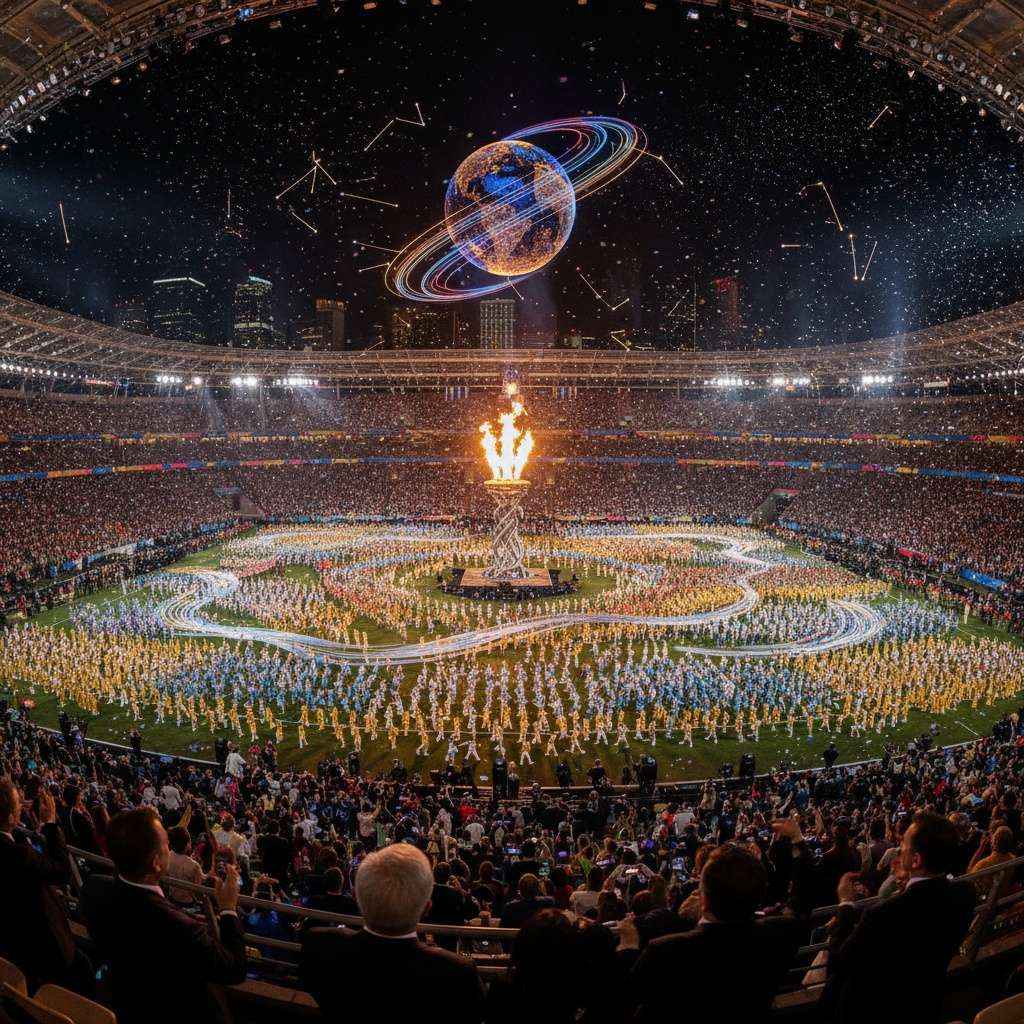
An Olympic opening ceremony is far more than a performance, because it becomes a moment where a nation presents its identity to the world in a single sweeping gesture that blends culture, symbolism, and imagination. These ceremonies shape history because they capture the spirit of their era, reflecting political climates, artistic movements, and technological capabilities in ways that become permanent cultural markers. Every ceremony leaves behind images that define generations, whether through bold artistic statements, groundbreaking staging, or emotional displays of unity. The ceremony becomes a global memory shared by billions, creating a collective imprint that influences how the world remembers that particular Games.
The Power Of Global First Impressions
How A Ceremony Introduces A Nation To The World
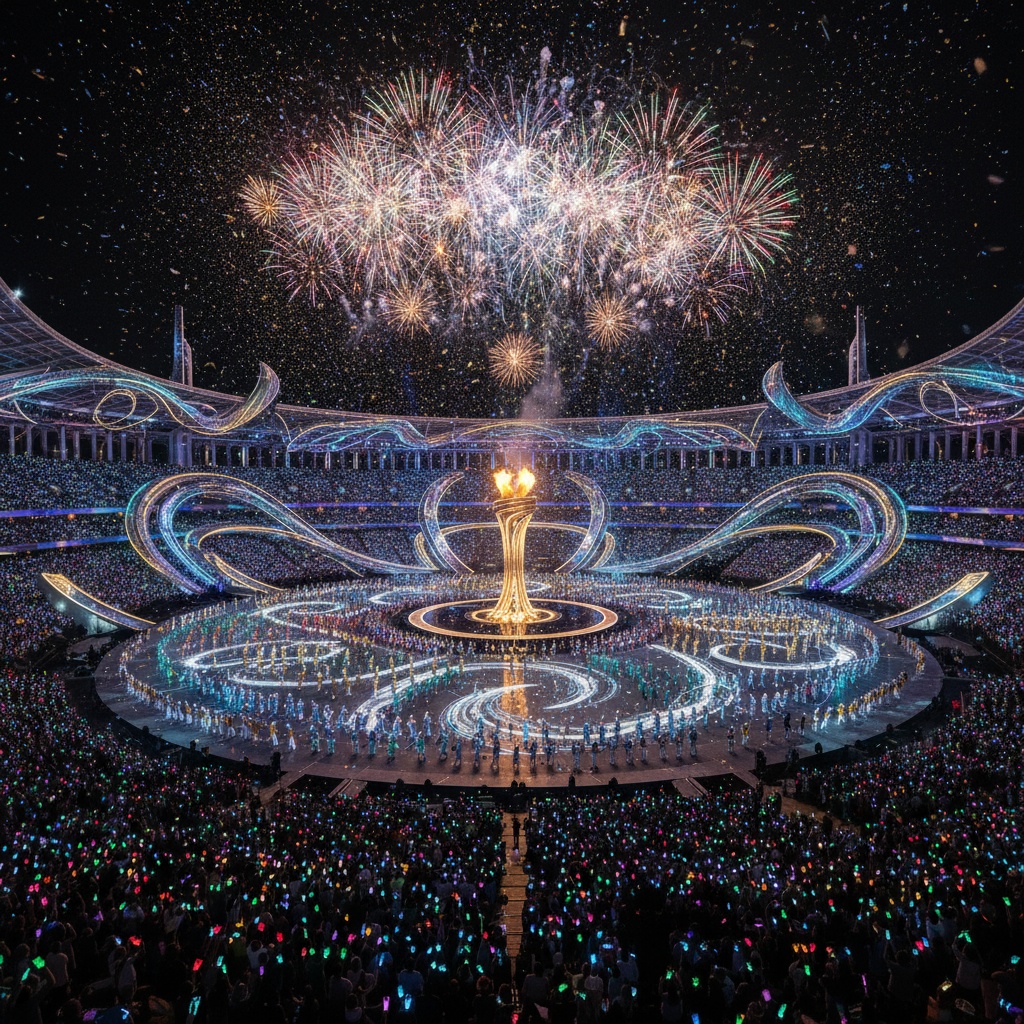
An opening ceremony serves as a nation’s introduction to the world, offering a carefully crafted narrative that blends heritage, creativity, and ambition. The performance becomes a historical timestamp, capturing how a country wishes to be seen at that moment in time. These presentations influence global perception, shaping how audiences understand the host nation’s values and identity. The ceremony’s imagery often becomes iconic, replayed for decades as a symbol of national pride. This first impression carries historical weight because it becomes part of the world’s collective memory.
| Ceremony Element | Historical Influence | Notes |
|---|---|---|
| Cultural storytelling | Shapes global perception | Defines national identity |
| Visual symbolism | Creates lasting imagery | Becomes part of history |
| Artistic direction | Reflects era’s creativity | Influences future ceremonies |
| National themes | Establishes tone | Guides global interpretation |
The Role Of Cultural Expression
How Nations Use Ceremony To Preserve Identity
Opening ceremonies allow nations to showcase cultural traditions that might otherwise remain unknown to global audiences. These performances preserve heritage by presenting music, dance, and symbolism that reflect centuries of history. The ceremony becomes a living archive, capturing cultural elements in a form that can be revisited by future generations. This preservation contributes to historical continuity, ensuring that cultural identity remains visible on the world stage. The ceremony’s cultural depth is one of the reasons it becomes historically significant.
- Preserves cultural heritage
- Introduces traditions to global audiences
- Strengthens national identity
- Creates a living historical record
- Ensures cultural continuity
The Influence Of Political Context
How Ceremonies Reflect Global Tensions And Alliances
Opening ceremonies often mirror the political climate of their time, whether through subtle symbolism or overt messaging. Nations use these events to project unity, strength, or progress, shaping how the world interprets their political stance. The ceremony becomes a diplomatic tool, offering a platform for soft power and international influence. Historical events frequently shape the tone of the performance, making it a reflection of global tensions or aspirations. This political dimension adds layers of meaning that historians analyse for decades.
| Political Factor | Impact On Ceremony | Notes |
|---|---|---|
| Global tensions | Influences tone | Subtle messaging |
| National priorities | Shapes themes | Reflects current goals |
| Diplomatic strategy | Soft power projection | International influence |
| Historical context | Guides symbolism | Long term interpretation |
The Evolution Of Artistic Innovation
How Creativity Pushes Boundaries
Opening ceremonies often introduce new artistic techniques, technologies, and staging methods that influence global entertainment. These innovations become historical milestones, marking shifts in how large scale performances are imagined and executed. The ceremony becomes a testing ground for creative experimentation, blending traditional art with modern technology. Audiences remember these breakthroughs as defining moments that reshape expectations for future events. This artistic evolution contributes to the ceremony’s lasting historical impact.
- Introduces new creative techniques
- Influences global entertainment trends
- Blends tradition with innovation
- Sets new performance standards
- Creates memorable artistic milestones
The Symbolism Of Lighting The Flame
How A Single Moment Defines An Era
The lighting of the Olympic flame is one of the most iconic moments in global sport, symbolising unity, hope, and the beginning of a shared journey. Each host nation interprets this moment differently, creating a unique historical imprint that becomes part of Olympic lore. The flame lighting often reflects technological progress, cultural identity, or emotional storytelling. This moment is replayed for decades, becoming a symbol of the Games’ legacy. Its historical significance lies in its ability to capture the essence of the host nation’s message.
| Flame Element | Meaning | Notes |
|---|---|---|
| Torch design | Cultural symbolism | Represents national identity |
| Lighting method | Creative innovation | Defines ceremony’s tone |
| Athlete selection | Emotional resonance | Reflects national values |
| Final moment | Historical memory | Becomes iconic footage |
The Emotional Impact On Global Audiences
How Ceremonies Create Shared Human Moments
Opening ceremonies unite billions of viewers in a single shared experience, creating emotional connections that transcend borders. These moments become part of personal and collective memory, shaping how people remember the Games and the era in which they occurred. The emotional resonance of music, imagery, and storytelling creates a sense of global togetherness. This shared experience becomes historically significant because it reflects humanity’s desire for unity. The ceremony’s emotional power is one of its most enduring qualities.
- Creates global emotional connection
- Shapes collective memory
- Reflects shared human values
- Strengthens sense of unity
- Leaves lasting emotional imprint
The Representation Of National Progress
How Ceremonies Showcase Development
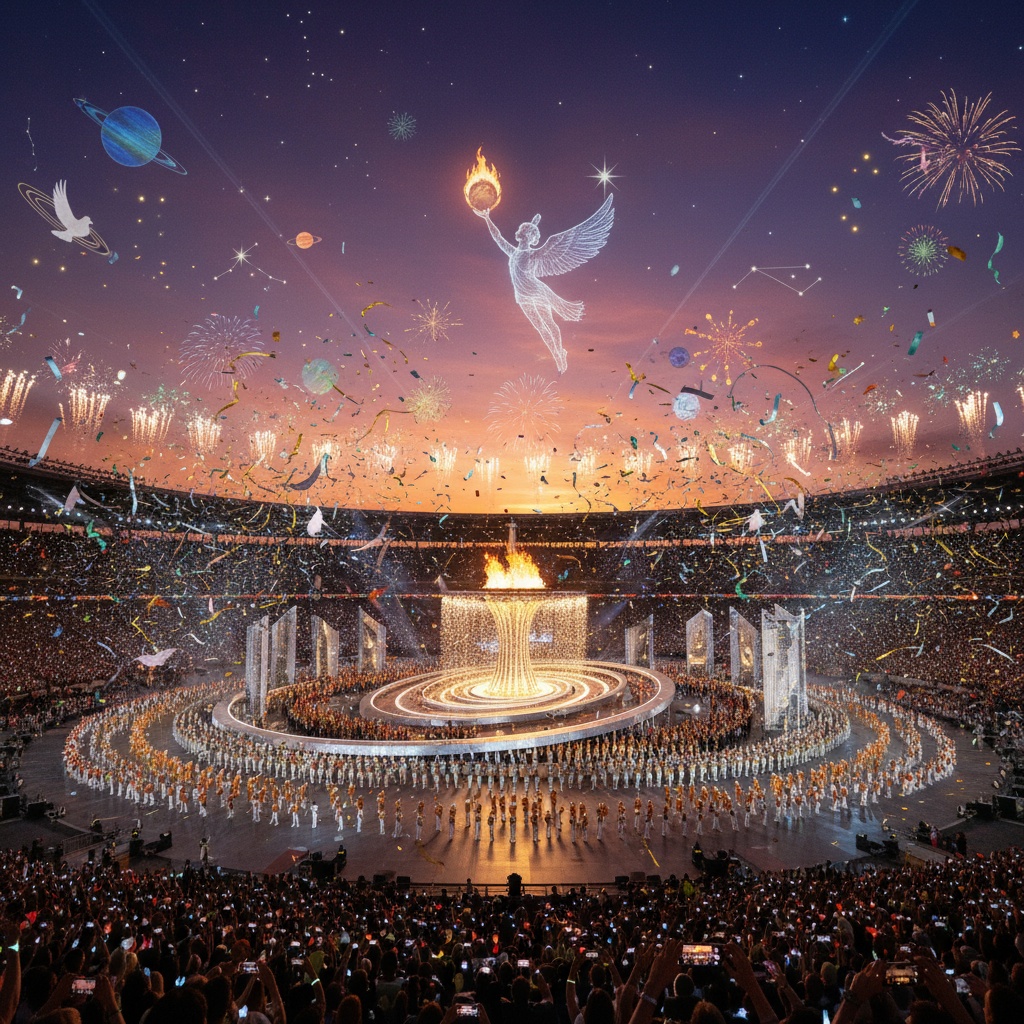
Nations often use opening ceremonies to highlight technological, cultural, and social progress. These presentations become historical markers that show how a country has evolved over time. The ceremony becomes a platform to demonstrate innovation, inclusivity, and national achievement. Audiences interpret these displays as reflections of a nation’s aspirations and capabilities. This representation of progress contributes to the ceremony’s historical significance.
| Progress Theme | Historical Influence | Notes |
|---|---|---|
| Technological growth | Shows national advancement | Modern identity |
| Cultural evolution | Reflects societal change | Inclusive storytelling |
| Social progress | Highlights unity | Global message |
| Economic development | Demonstrates capability | International perception |
The Impact On Host Cities
How Ceremonies Transform Local Identity
Opening ceremonies influence how host cities are perceived long after the Games conclude. The imagery, architecture, and staging become part of the city’s global identity, shaping tourism, culture, and reputation. These events often inspire urban development and cultural investment that leave lasting legacies. The ceremony becomes a defining moment in the city’s history, marking a period of transformation. This local impact contributes to the ceremony’s broader historical importance.
- Shapes city’s global image
- Inspires cultural investment
- Influences tourism
- Marks period of transformation
- Creates long term legacy
The Role Of Music And Sound
How Audio Shapes Historical Memory
Music plays a central role in opening ceremonies, creating emotional depth and reinforcing cultural themes. Iconic musical moments become part of Olympic history, remembered long after the Games end. These compositions reflect the host nation’s artistic identity and contribute to the ceremony’s emotional resonance. Sound design enhances storytelling, guiding audience interpretation. The musical dimension adds another layer to the ceremony’s historical impact.
| Musical Element | Influence | Notes |
|---|---|---|
| National themes | Cultural identity | Emotional connection |
| Original compositions | Historical memory | Unique to each Games |
| Live performances | Authenticity | Artistic expression |
| Sound design | Narrative support | Enhances atmosphere |
The Celebration Of Human Diversity
How Ceremonies Highlight Global Unity
Opening ceremonies celebrate the diversity of nations, cultures, and identities that come together for the Games. This celebration becomes a powerful historical statement about global cooperation. The parade of athletes symbolises unity, resilience, and shared purpose. These moments remind audiences of the world’s interconnectedness. The ceremony’s emphasis on diversity contributes to its lasting historical relevance.
- Highlights global unity
- Celebrates cultural diversity
- Symbolises cooperation
- Reinforces Olympic values
- Creates inclusive narrative
The Influence Of Technological Breakthroughs
How Innovation Shapes Historical Memory
Technological advancements often debut during opening ceremonies, showcasing the host nation’s capabilities. These breakthroughs become historical markers that reflect the technological landscape of the era. From augmented reality to advanced lighting systems, technology transforms the ceremony into a futuristic spectacle. Audiences remember these innovations as defining features of the Games. The integration of technology strengthens the ceremony’s historical significance.
| Technology Type | Impact | Notes |
|---|---|---|
| Visual effects | Enhances spectacle | Modern identity |
| Lighting systems | Creates atmosphere | Artistic innovation |
| Digital integration | Expands storytelling | Global engagement |
| Broadcast technology | Improves accessibility | Worldwide reach |
The Legacy Of Symbolic Imagery
How Visual Moments Become Historical Icons
Opening ceremonies produce visual moments that become iconic symbols of their time. These images are replayed for decades, shaping how future generations remember the Games. The ceremony’s visual language often reflects cultural, political, or artistic themes that define the era. These symbols become part of global memory, influencing how history is interpreted. The power of imagery is one of the ceremony’s most enduring contributions.
- Creates iconic visuals
- Shapes historical interpretation
- Reflects cultural themes
- Influences global memory
- Defines era’s identity
The Role Of Storytelling
How Narratives Shape Historical Understanding
Opening ceremonies use storytelling to convey national identity, historical journeys, and cultural values. These narratives become part of the Games’ legacy, influencing how audiences understand the host nation. Storytelling transforms the ceremony into a historical document expressed through performance. The narrative structure guides emotional response and shapes interpretation. This storytelling dimension deepens the ceremony’s historical impact.
| Story Element | Influence | Notes |
|---|---|---|
| Historical themes | Cultural education | National pride |
| Symbolic characters | Emotional resonance | Memorable imagery |
| Narrative structure | Guides interpretation | Enhances clarity |
| Artistic expression | Deepens meaning | Creative impact |
The Influence On Future Ceremonies
How Each Ceremony Shapes The Next
Every opening ceremony influences the creative direction of future Games, establishing trends that evolve over time. These influences become part of Olympic history, shaping expectations for innovation, storytelling, and spectacle. Each ceremony builds upon the legacy of those before it, creating a continuous artistic evolution. This progression reflects changing cultural values and technological capabilities. The ceremony’s influence on future events contributes to its historical significance.
- Establishes creative trends
- Shapes future expectations
- Reflects cultural evolution
- Influences artistic direction
- Creates continuous legacy
The Ceremony As A Historical Archive
How Performances Preserve Moments In Time
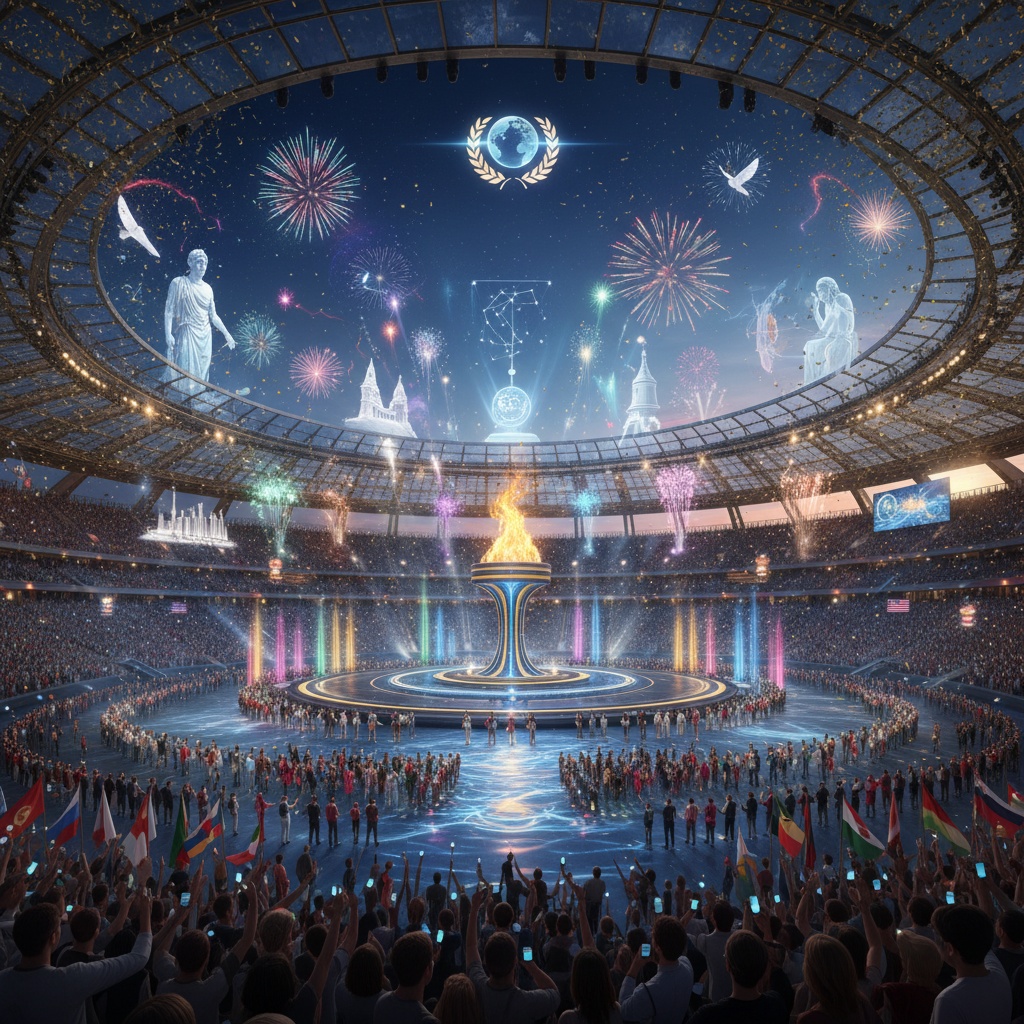
Opening ceremonies act as historical archives, capturing the cultural, political, and artistic identity of their era. These performances become reference points for historians, artists, and audiences seeking to understand the world at that moment. The ceremony’s themes, imagery, and symbolism offer insight into national and global priorities. This archival quality ensures that ceremonies remain relevant long after the Games conclude. Their ability to preserve history is one of their most powerful contributions.
| Archival Element | Historical Value | Notes |
|---|---|---|
| Cultural themes | Reflect era’s identity | Long term relevance |
| Political context | Reveals global climate | Analytical value |
| Artistic style | Shows creative trends | Influences future art |
| Technological use | Marks innovation | Historical timestamp |
Conclusion
An Olympic opening ceremony changes history because it captures the essence of a nation, an era, and a global moment in a single sweeping performance that becomes part of humanity’s shared memory. These ceremonies blend culture, politics, technology, and emotion in ways that shape how future generations understand the world at that time. Their imagery, symbolism, and storytelling become historical markers that endure long after the Games conclude. The ceremony’s power lies in its ability to unite billions, preserve identity, and reflect the evolving spirit of global society. This is why every opening ceremony becomes a permanent chapter in the story of the world.
Join The Discussion
Which Olympic opening ceremony do you believe changed history the most, and what moment from it still stays with you today?
#OlympicCeremony #GlobalHistory #CulturalLegacy #OlympicSpirit #OpeningCeremonyImpact #WorldStage #HistoricalMoments


