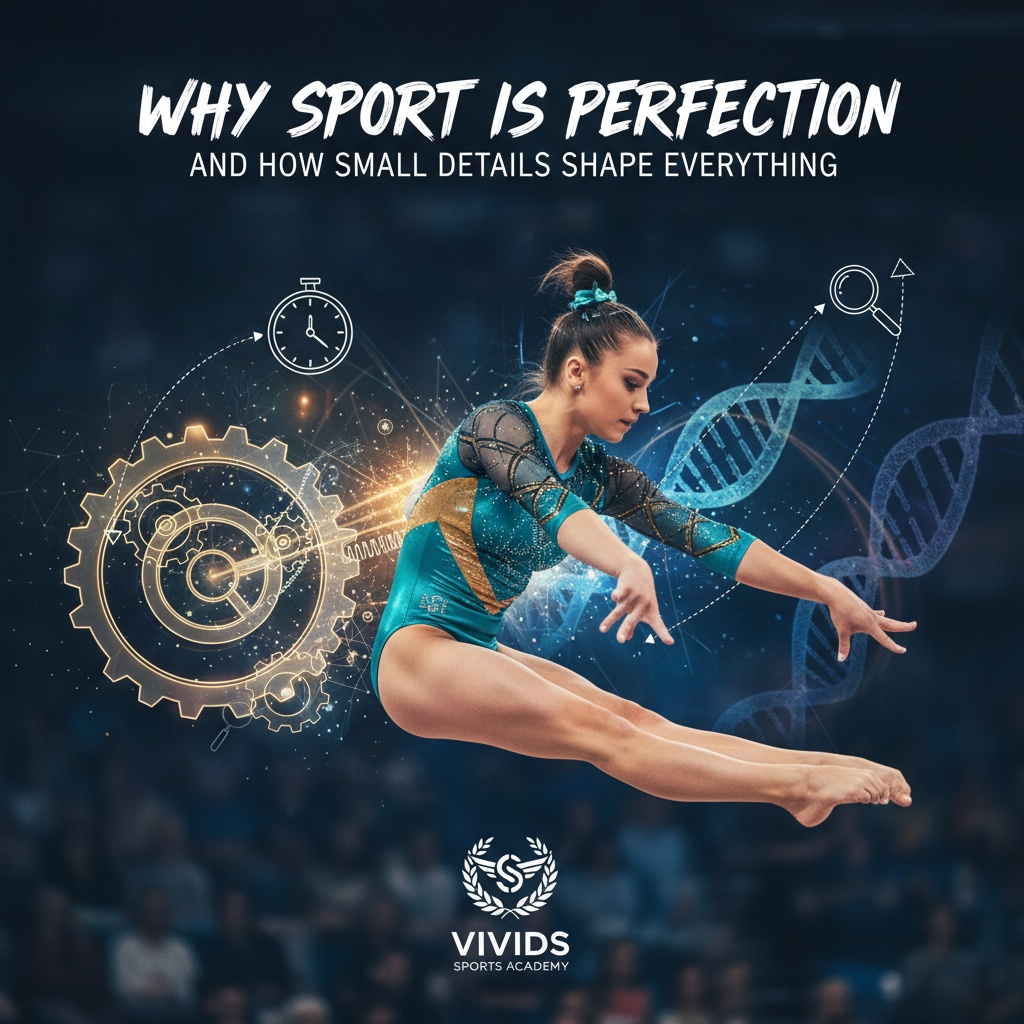
Why Sport Is Perfection And How Small Details Shape Everything
Sport Is Perfection
Sport is often described as the closest thing we have to pure human expression, a place where precision, instinct, preparation, and unpredictability collide in ways that feel almost artistic. What makes sport so compelling is not just the competition itself but the delicate balance of variables that can shift outcomes in ways both subtle and dramatic. A blade of grass too long, a gust of wind at the wrong moment, a fraction of height difference, or a slightly uneven surface can transform the entire rhythm of a match. These tiny details remind us that sport is perfection not because it is flawless, but because it is alive, responsive, and shaped by forces that extend beyond human control.

The Beauty Of Margins In Athletic Performance
How Tiny Differences Create Massive Outcomes
Sport is defined by margins so thin they can barely be measured, yet they determine everything from victory to heartbreak. A sprinter leaning forward a fraction earlier, a tennis player adjusting their stance by a few millimetres, or a footballer striking the ball at a slightly different angle can completely change the result. These micro‑adjustments reveal the precision required at the highest level and the elegance of human movement under pressure. The beauty lies in how athletes learn to master these margins through repetition, intuition, and an almost artistic understanding of their craft. Sport becomes perfection because it rewards those who can navigate the smallest details with the greatest clarity.
| Micro Factor | Impact On Outcome | Notes |
|---|---|---|
| Body angle | Alters speed and direction | Crucial in sprinting |
| Foot placement | Changes balance and power | Key in ball sports |
| Timing shifts | Affects rhythm and flow | Influences all sports |
| Reaction speed | Determines advantage | Especially in fast sports |
The Influence Of Playing Surfaces
How Texture And Feel Shape Performance
Every sport is deeply affected by the surface it is played on, and even the slightest variation can alter the entire dynamic of a contest. Grass that is slightly longer slows the ball, clay that is a touch drier changes bounce height, and hardwood that has been polished differently affects traction. Athletes learn to read these surfaces like a language, adjusting their movement patterns and decision making in real time. The surface becomes a silent participant in the competition, shaping outcomes in ways spectators rarely notice. This sensitivity to environment is part of what makes sport so endlessly captivating.
- Surface texture changes ball behaviour
- Moisture levels influence speed and bounce
- Traction affects acceleration and turning
- Temperature alters material response
- Athletes adapt instinctively to subtle shifts
The Role Of Height And Body Proportions
How Physical Structure Shapes Sporting Possibilities
Height, limb length, and body proportions influence how athletes move, generate power, and interact with the space around them. A taller athlete may gain reach but sacrifice agility, while a shorter athlete may excel in balance and acceleration. These natural variations create diversity in playing styles and strategies, making sport richer and more unpredictable. The interplay between physical structure and technique forms a unique athletic identity that evolves over years of training. Sport becomes perfection because it celebrates these differences rather than standardising them.
| Physical Trait | Advantage | Consideration |
|---|---|---|
| Height | Extended reach | Reduced agility |
| Shorter stature | Faster acceleration | Limited vertical range |
| Long limbs | Greater leverage | Requires coordination |
| Compact build | Strong balance | Shorter stride |
The Impact Of Weather And Atmosphere
How Nature Shapes The Contest
Weather introduces an element of unpredictability that no athlete can fully control, yet every athlete must respect. Wind can redirect a ball mid‑flight, humidity can affect grip, and temperature can influence muscle response. These environmental factors force competitors to adapt their strategies and techniques in ways that reveal their resilience and creativity. Sport becomes a dialogue between human skill and natural forces, each shaping the other. This interplay is part of what makes every match feel unique.
- Wind alters trajectory
- Heat affects endurance
- Cold influences muscle tension
- Humidity impacts grip and control
- Atmospheric pressure changes ball movement
The Precision Of Equipment Calibration
How Small Adjustments Transform Performance
Equipment in sport is engineered with extraordinary precision, and even the smallest calibration can shift performance dramatically. A racket strung slightly tighter changes control, a shoe with marginally different cushioning alters stride, and a ball inflated to a different pressure behaves in entirely new ways. Athletes and technicians work together to find areas to improve and fine tune until the technique becomes natural and aligns perfectly with the athlete’s style and needs. This meticulous attention to detail reflects the pursuit of perfection that defines elite sport. Equipment becomes an extension of the athlete’s body and mind.
| Equipment Variable | Effect | Notes |
|---|---|---|
| Tension levels | Control and power | Tennis and badminton |
| Shoe cushioning | Stride and impact | Running and court sports |
| Ball pressure | Bounce and speed | Football and basketball |
| Grip texture | Handling and stability | All precision sports |
The Subtlety Of Timing And Rhythm
How Flow Determines Success
Timing is one of the most delicate and decisive elements in sport, shaping everything from movement efficiency to tactical execution. A fraction too early or too late can disrupt an entire sequence, whether it is a pass, a swing, or a jump. Athletes develop an internal rhythm that guides their actions, allowing them to move with fluidity and confidence. This rhythm is influenced by countless factors, including fatigue, pressure, and environmental cues. Sport becomes perfection when timing aligns seamlessly with intention.
- Timing influences accuracy
- Rhythm enhances fluidity
- Pressure disrupts natural flow
- Fatigue alters reaction speed
- Experience sharpens instinct
The Importance Of Spatial Awareness
How Athletes Navigate Invisible Boundaries
Spatial awareness allows athletes to understand their position relative to opponents, teammates, and the playing area. This awareness is shaped by vision, intuition, and countless hours of practice that refine the ability to anticipate movement. Even slight misjudgements in spacing can lead to missed opportunities or defensive breakdowns. Athletes who master spatial awareness often appear to move effortlessly, as though they see patterns before they form. This invisible skill is one of the purest expressions of sporting intelligence.
| Spatial Skill | Benefit | Notes |
|---|---|---|
| Peripheral vision | Anticipation | Crucial in team sports |
| Depth perception | Accurate timing | Important in striking sports |
| Pattern recognition | Strategic advantage | Developed through experience |
| Movement prediction | Defensive strength | Enhances positioning |
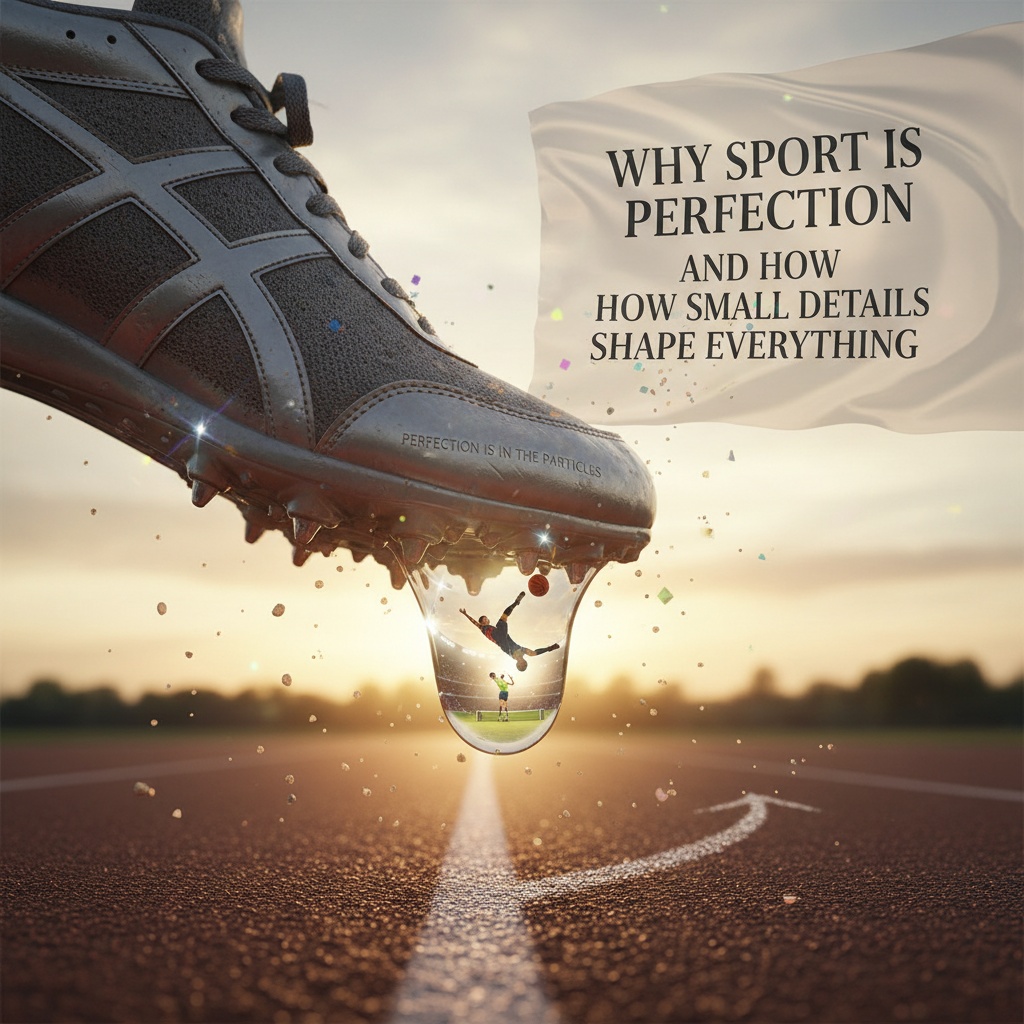
The Fragility Of Momentum
How Energy Shifts Shape The Story
Momentum in sport is intangible yet incredibly powerful, capable of transforming confidence, decision making, and execution. A single moment can ignite a surge of belief or trigger hesitation, and these emotional shifts ripple through the entire contest. Athletes feel momentum as a kind of internal current that either carries them forward or pushes against them. Managing momentum requires emotional intelligence, resilience, and the ability to reset quickly. Sport becomes perfection because it mirrors the emotional complexity of life itself.
- Momentum influences confidence
- Emotional shifts affect execution
- Small events trigger big swings
- Resilience stabilises performance
- Teams feed off shared energy
The Influence Of Sound And Atmosphere
How Noise Shapes Focus And Emotion
Sound plays a surprisingly significant role in sport, affecting concentration, adrenaline, and emotional rhythm. The roar of a crowd can elevate performance, while sudden silence can heighten pressure. Even the acoustics of a stadium influence how athletes perceive space and timing. These auditory cues become part of the sensory landscape athletes must navigate. Sport becomes perfection because it engages every sense.
| Sound Factor | Effect | Notes |
|---|---|---|
| Crowd noise | Increased adrenaline | Boosts intensity |
| Sudden quiet | Heightened pressure | Precision moments |
| Stadium acoustics | Spatial perception | Indoor sports |
| Communication clarity | Tactical execution | Team coordination |
The Sensitivity Of Grip And Contact
How Touch Determines Control
Grip is one of the most overlooked yet essential elements in sport, shaping how athletes control equipment, maintain balance, and generate power. A slightly slippery handle, a damp surface, or a worn texture can disrupt technique in ways that are immediately felt. Athletes rely on tactile feedback to adjust their movements with remarkable precision. This sensitivity to touch reflects the deep connection between body and environment. Sport becomes perfection because it rewards those who can interpret these subtle cues.
- Grip affects control
- Texture influences confidence
- Moisture changes handling
- Pressure alters precision
- Touch guides technique
The Role Of Vision And Perception
How Athletes See More Than Spectators Do
Elite athletes perceive movement, depth, and speed differently from the average viewer, processing visual information at extraordinary speed. This enhanced perception allows them to anticipate actions before they occur and react with remarkable accuracy. Even slight changes in lighting, shadow, or contrast can influence how they interpret the field. Vision becomes a strategic tool rather than a passive sense. Sport becomes perfection because it sharpens human perception to its highest level.
| Visual Element | Influence | Notes |
|---|---|---|
| Lighting | Depth accuracy | Indoor arenas |
| Shadow | Spatial clarity | Outdoor sports |
| Contrast | Reaction speed | Fast paced games |
| Colour cues | Decision making | Team identification |
The Complexity Of Balance And Stability
How The Body Maintains Control Under Pressure
Balance is a dynamic process that requires constant micro‑adjustments from muscles, joints, and the nervous system. Even slight shifts in weight distribution can influence power, accuracy, and movement efficiency. Athletes train extensively to develop stability that holds up under fatigue, pressure, and unpredictable conditions. This ability to remain centred while moving at high speed is one of the most impressive aspects of human performance. Sport becomes perfection because it reveals the body’s capacity for harmony.
- Balance shapes accuracy
- Stability supports power
- Fatigue disrupts alignment
- Surfaces influence footing
- Core strength enhances control
The Sensitivity Of Muscle Memory
How Repetition Creates Precision
Muscle memory allows athletes to perform complex movements with fluidity and confidence, even under intense pressure. These patterns are built through countless repetitions that engrain technique into the nervous system. Slight variations in routine, environment, or equipment can influence how muscle memory activates. Athletes learn to trust these ingrained patterns while remaining adaptable to change. Sport becomes perfection because it blends instinct with intention.
| Muscle Memory Factor | Effect | Notes |
|---|---|---|
| Repetition | Technique consistency | Long term training |
| Routine | Mental stability | Pre performance rituals |
| Environment | Movement adaptation | New conditions |
| Pressure | Pattern reliability | Elite competition |
The Fragility Of Strategy Under Pressure
How Plans Shift In Real Time
Strategy in sport is never static, constantly evolving in response to opponents, conditions, and momentum. Even the most carefully designed plan can unravel due to a single unexpected variable. Athletes and coaches must read the game with clarity and adjust their approach instantly. This adaptability is a hallmark of high level competition. Sport becomes perfection because it demands both structure and spontaneity.
- Strategy evolves constantly
- Opponents influence decisions
- Conditions reshape tactics
- Momentum alters priorities
- Adaptability defines success
The Influence Of Emotional State
How Feelings Shape Physical Performance
Emotion plays a powerful role in sport, affecting confidence, decision making, and physical execution. A calm mind enhances precision, while anxiety can disrupt even the most practiced movements. Athletes learn to manage their emotional landscape with techniques that balance intensity and clarity. These internal battles often determine the outcome as much as physical skill. Sport becomes perfection because it reflects the full spectrum of human emotion.
| Emotional Factor | Impact | Notes |
|---|---|---|
| Confidence | Improved execution | Builds momentum |
| Anxiety | Reduced precision | High pressure moments |
| Focus | Enhanced control | Elite performance |
| Frustration | Tactical errors | Requires reset |
The Interplay Of Chaos And Control
How Unpredictability Creates Beauty
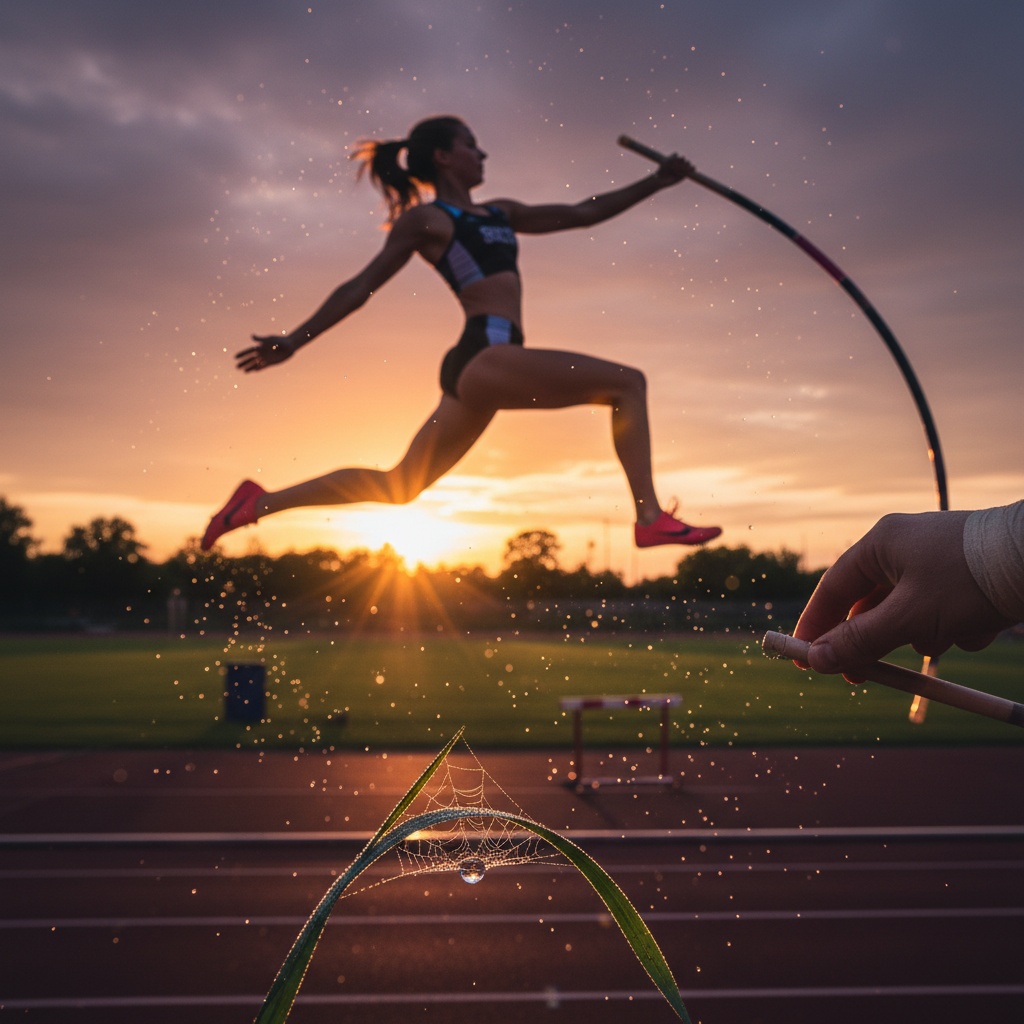
Sport thrives on the tension between chaos and control, where athletes attempt to impose order on a world that refuses to be fully tamed. Every contest contains moments that defy logic, shaped by variables too complex to predict. This unpredictability is not a flaw but a defining feature that elevates sport beyond simple competition. Athletes embrace this uncertainty, knowing it is what makes their achievements meaningful. Sport becomes perfection because it mirrors the unpredictability of life.
- Chaos creates excitement
- Control reveals mastery
- Unpredictability fuels drama
- Variables shape outcomes
- Beauty emerges from tension
Conclusion
Sport is perfection not because it is flawless, but because it is shaped by countless details that interact in ways both subtle and profound. Every variable, from grass length to body proportions to emotional state, contributes to a tapestry of movement, strategy, and human expression. These nuances remind us that sport is alive, responsive, and endlessly evolving. The smallest elements can change everything, and that is what makes every contest feel unique and unforgettable. In the end, sport reflects the complexity of life itself, offering moments of clarity, chaos, beauty, and truth.
Join The Discussion
Which tiny details do you think have the biggest influence on sporting outcomes, and why do these subtle factors make the experience so compelling for you?
#SportIsPerfection #AthletePrecision #FineMargins #PerformanceScience #SportingBeauty #HumanMovement #GameWithinTheGame