Why There Are So Many Different Cricket World Cups
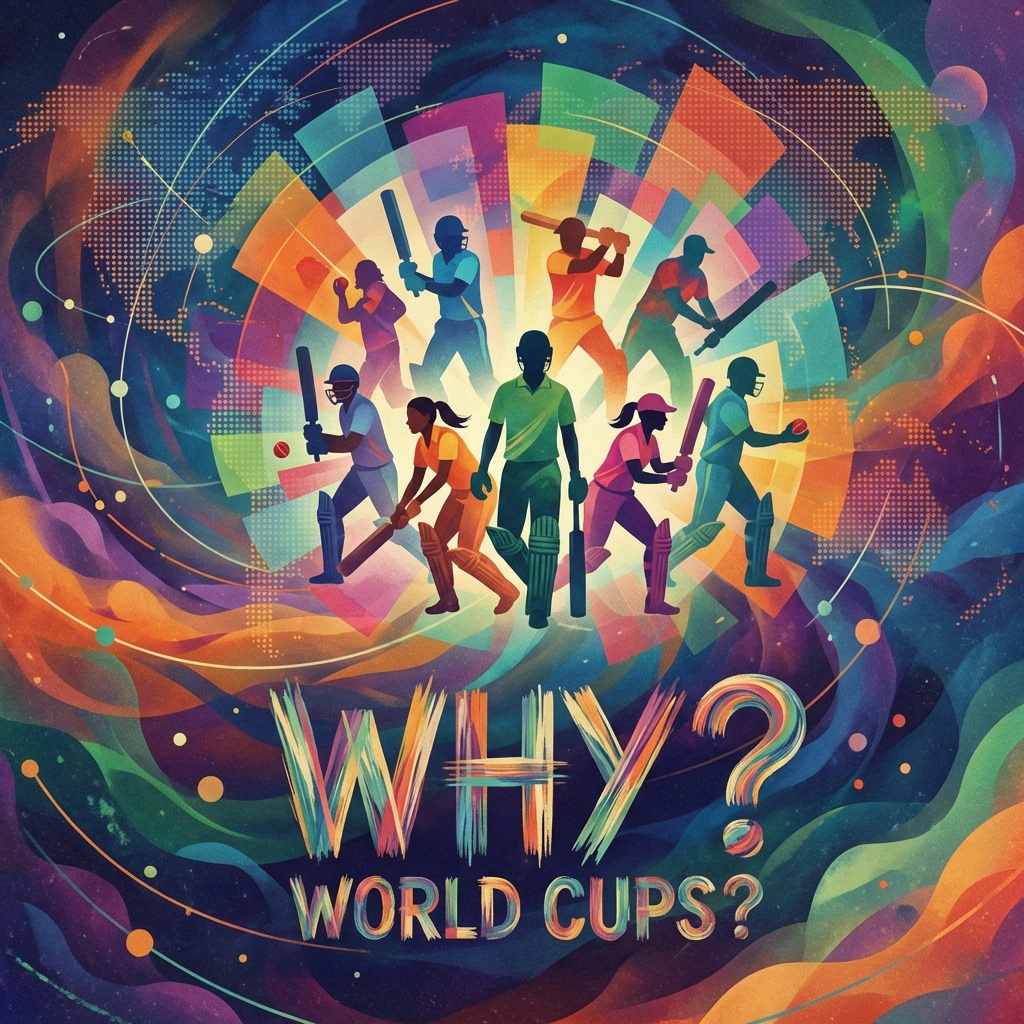
Why There Are So Many Different Cricket World Cups And Whether This Amount Helps Or Hurts The Future Of Cricket
Cricket has grown into a sport with multiple global tournaments, each designed to highlight a different rhythm, identity, and competitive philosophy. The existence of several World Cups across formats reflects the sport’s evolution from a single‑format tradition into a multi‑dimensional global industry. While this expansion has created more opportunities for nations, players, and fans, it has also sparked debate about whether the sheer number of tournaments risks diluting the meaning of a world title. The modern cricket calendar is crowded, commercially driven, and constantly adapting to new audiences, which raises questions about long‑term sustainability.

The Evolution Of Cricket Formats
How Different Styles Created Different World Cups
Cricket’s formats developed over decades, each emerging from a distinct cultural moment and serving a different purpose within the sport’s identity. Test cricket represents tradition and endurance, one day internationals introduced colour and commercial appeal, and T20 cricket brought speed, entertainment, and global accessibility. Because each format demands unique skills and strategies, the ICC created separate World Cups to crown champions in each discipline. This structural evolution explains why multiple tournaments exist rather than a single universal championship. The variety reflects cricket’s attempt to honour its past while embracing modern expectations.
| Format | Purpose | Historical Context |
|---|---|---|
| Test cricket | Endurance and tradition | Origin of the sport |
| ODI cricket | Entertainment and commercial appeal | 1970s innovation |
| T20 cricket | Speed and global accessibility | Twenty‑first century growth |
| Under‑19 cricket | Youth development | Pathway for emerging talent |
The Commercial Expansion Of Global Cricket
How Revenue Shapes Tournament Frequency
The ICC relies heavily on global tournaments to generate revenue, and multiple World Cups allow the organisation to maintain financial stability. Broadcasters prefer frequent marquee events because they attract large audiences and create predictable advertising cycles. This commercial reality has encouraged the ICC to schedule tournaments more regularly, especially in the T20 format. While this approach strengthens financial security, it also risks overwhelming fans with too many major events. The balance between commercial necessity and sporting integrity remains a central challenge.
- Broadcasters demand frequent global events
- ICC revenue depends heavily on tournament cycles
- T20 World Cups offer strong commercial returns
- More events increase sponsorship opportunities
- Oversaturation risks reducing long term excitement
The Rise Of T20 Cricket As A Global Force
How Short Formats Increased The Number Of World Cups
T20 cricket has become the most accessible format for new audiences, particularly in regions where cricket is still developing. Its fast pace, shorter duration, and entertainment‑driven presentation make it ideal for global expansion. As a result, the ICC increased the frequency of T20 World Cups to capitalise on this momentum. This decision reflects a strategic effort to grow the sport beyond traditional markets. The rise of T20 cricket is one of the main reasons the number of world tournaments has expanded.
| T20 Strength | Impact | Notes |
|---|---|---|
| Short duration | Wider audience reach | Modern viewing habits |
| Entertainment value | Youth engagement | Strong digital presence |
| Global accessibility | New cricket nations | Rapid expansion |
| Commercial appeal | Increased revenue | Frequent tournaments |
The Importance Of Youth Pathways
How Under‑19 World Cups Support Development
The Under‑19 World Cup exists to provide young players with international experience and exposure at a critical stage of their development. This tournament has produced many of the sport’s modern stars, proving its value as a pathway event. It also allows emerging cricket nations to compete on a global stage, strengthening the sport’s long term foundation. While not as commercially prominent as senior tournaments, its developmental importance is widely recognised. The existence of youth World Cups is therefore justified by their contribution to cricket’s future.
- Creates international experience for young players
- Identifies future stars early
- Supports emerging cricket nations
- Strengthens long term talent pipelines
- Enhances global competitiveness
The Growth Of Women’s Cricket
How Separate World Cups Support Equality
Women’s cricket has expanded rapidly, and separate World Cups ensure that female athletes receive the visibility and recognition they deserve. These tournaments highlight the unique qualities of the women’s game while providing a platform for global growth. The ICC has invested heavily in promoting women’s cricket, and multiple World Cups help accelerate this progress. The existence of both ODI and T20 World Cups for women reflects the sport’s commitment to equality. These events are essential for building a sustainable future for the women’s game.
| Women’s Event | Purpose | Impact |
|---|---|---|
| Women’s ODI World Cup | Traditional global championship | Historical prestige |
| Women’s T20 World Cup | Modern, fast paced competition | Youth engagement |
| Under‑19 Women’s World Cup | Development pathway | Future talent |
The Return Of The Champions Trophy
How A Legacy Tournament Adds To The Calendar
The Champions Trophy, once discontinued, is returning as a shorter, elite tournament featuring only the top ranked teams. Its revival adds another major event to an already crowded schedule, raising questions about necessity. However, the tournament has historical significance and appeals to fans who enjoy high quality competition without the length of a full World Cup. Its return reflects the ICC’s desire to diversify its event portfolio. The challenge lies in ensuring it does not overshadow or dilute other tournaments.
- Appeals to traditional fans
- Features only top ranked teams
- Shorter format increases intensity
- Adds historical continuity
- Contributes to calendar congestion
The Influence Of Globalisation
How More Nations Create Demand For More Events
As cricket expands into new regions, more nations seek opportunities to compete on the world stage. This growth increases pressure on the ICC to create additional tournaments that accommodate rising participation. Globalisation has transformed cricket from a Commonwealth‑centric sport into a broader international activity. More World Cups allow developing nations to gain experience and visibility. This expansion is essential for cricket’s long term global relevance.
| Global Factor | Effect | Notes |
|---|---|---|
| New cricket nations | Increased demand for tournaments | Broader participation |
| Regional development | More competitive diversity | Stronger global presence |
| Global fanbase growth | Higher event expectations | Digital expansion |
| Cultural integration | Wider appeal | Modern identity |
The Challenge Of Maintaining Prestige
How Too Many Events Risk Dilution
While multiple World Cups offer variety, they also risk reducing the emotional weight of each title. Fans may struggle to differentiate between tournaments when they occur too frequently or too close together. The prestige of a world championship depends on rarity, anticipation, and narrative buildup. Oversaturation can weaken these elements, making victories feel less monumental. Cricket must manage this balance carefully to protect the value of its global events.
- Frequent tournaments reduce anticipation
- Fans may experience fatigue
- Prestige depends on rarity
- Narrative buildup becomes harder
- Oversaturation risks long term interest
The Impact On Player Workload
How Multiple World Cups Affect Athlete Wellbeing
Modern cricket schedules are intense, and multiple global tournaments add pressure to already demanding workloads. Players must balance international commitments, domestic leagues, and franchise tournaments, often with limited recovery time. This strain can lead to injuries, burnout, and shortened careers. While World Cups are prestigious, too many major events can compromise player wellbeing. Cricket must consider how scheduling affects the athletes who carry the sport forward.
| Workload Factor | Impact | Notes |
|---|---|---|
| Tight schedules | Increased injury risk | Limited recovery |
| Travel demands | Fatigue | Global tournaments |
| Franchise commitments | Scheduling conflicts | Player prioritisation |
| National duty | Pressure to perform | High expectations |
The Role Of Broadcasting And Digital Media
How Media Shapes Tournament Frequency
Broadcasters and streaming platforms play a major role in determining how often global tournaments occur. Digital media thrives on constant content, and frequent World Cups provide reliable spikes in viewership. This demand influences ICC scheduling decisions, often prioritising commercial value over tradition. While this approach expands cricket’s reach, it also risks turning major events into routine programming. The sport must balance media expectations with the need to preserve meaning.
- Digital platforms demand constant content
- World Cups generate reliable viewership
- Media influences scheduling decisions
- Commercial value shapes tournament frequency
- Risk of turning major events into routine broadcasts
The Importance Of Format Identity
How Each World Cup Serves A Different Purpose
Each cricket format offers a distinct competitive identity, and separate World Cups allow these identities to flourish. Test cricket celebrates endurance and strategy, ODI cricket blends tradition with modernity, and T20 cricket emphasises speed and spectacle. These differences justify the existence of multiple global tournaments rather than a single unified championship. Fans appreciate the variety, and players specialise in formats that suit their strengths. The diversity of World Cups reflects the diversity of cricket itself.
| Format Identity | Strength | Notes |
|---|---|---|
| Test cricket | Strategic depth | Long form mastery |
| ODI cricket | Balanced competition | Historical prestige |
| T20 cricket | Fast paced entertainment | Youth appeal |
| Under‑19 cricket | Development focus | Future talent |
The Debate Over Oversaturation
How Fans Respond To Too Many Tournaments
Some fans enjoy the abundance of global events, while others feel overwhelmed by the constant cycle of tournaments. The debate reflects differing expectations about what makes a world title meaningful. Supporters of frequent events argue that more cricket increases accessibility and excitement. Critics believe that too many tournaments reduce emotional impact and create confusion about which titles matter most. This tension shapes the ongoing conversation about cricket’s future.
- Some fans enjoy constant action
- Others prefer rarity and prestige
- Confusion arises from overlapping events
- Emotional impact depends on anticipation
- Debate influences ICC planning

The Future Of ODI Cricket
How Tournament Frequency Affects Format Survival
ODI cricket faces increasing pressure as T20 formats dominate global attention. The frequency of T20 World Cups has shifted focus away from the traditional 50 over format. Some argue that reducing ODI tournaments could preserve their prestige, while others believe more events are needed to maintain relevance. The future of ODI cricket may depend on how the ICC balances tradition with modern demand. This uncertainty adds complexity to the discussion about tournament quantity.
| ODI Challenge | Effect | Notes |
|---|---|---|
| Declining attention | Reduced relevance | Competing with T20 |
| Scheduling pressure | Calendar congestion | Limited windows |
| Format identity | Needs preservation | Historical importance |
| Tournament frequency | Impacts prestige | Strategic decisions |
The Role Of Emerging Markets
How New Regions Influence Tournament Strategy
Cricket’s expansion into the United States, the Middle East, and parts of Europe has created new commercial and competitive opportunities. These emerging markets encourage the ICC to schedule more global events to build momentum and visibility. The strategy aims to embed cricket into regions where it has not traditionally thrived. More World Cups help accelerate this process by offering high profile exposure. The sport’s global future depends on how effectively these markets are cultivated.
- New markets require visibility
- Global tournaments attract new fans
- Expansion strengthens long term growth
- More events support regional development
- Strategy shapes cricket’s global identity
The Question Of Meaning
How Many World Cups Are Too Many
The central question is whether cricket can sustain multiple World Cups without diminishing the meaning of a world title, and this depends heavily on how well the ICC manages scheduling, storytelling, and competitive balance. Fans value tournaments that feel rare, emotionally charged, and built on long arcs of anticipation, and too many events can weaken those emotional foundations.
The meaning of a world championship is tied to its scarcity, and when tournaments appear too frequently, the sense of achievement risks becoming routine rather than extraordinary. Cricket’s challenge is to ensure that each World Cup maintains its own identity rather than blending into a crowded calendar. The future of meaning in cricket’s global events will depend on how carefully the sport protects the prestige of its most important trophies.
| Meaning Factor | Influence | Notes |
|---|---|---|
| Tournament rarity | Increases prestige | Builds anticipation |
| Narrative buildup | Strengthens emotional impact | Requires spacing |
| Fan engagement | Depends on excitement | Oversaturation reduces interest |
| Competitive clarity | Defines importance | Too many events cause confusion |
The Balance Between Innovation And Tradition
How Multiple World Cups Reflect Cricket’s Identity
Cricket’s identity has always been shaped by a tension between tradition and innovation, and the existence of multiple World Cups reflects this duality. Traditionalists value the long form purity of Test cricket and the historical weight of the ODI World Cup, while modern audiences gravitate toward the speed and spectacle of T20 tournaments. The ICC attempts to satisfy both groups by offering different global events, each representing a different era of cricket’s evolution. This balance is delicate, because leaning too far toward innovation risks alienating traditional fans, while resisting change risks losing younger audiences. The number of World Cups is therefore a reflection of cricket’s attempt to honour its past while embracing its future.
- Tradition demands preservation of long form values
- Innovation attracts new generations
- Multiple formats reflect cricket’s layered identity
- Fans have diverse expectations
- Balance determines long term stability
The Impact On Domestic And Franchise Cricket
How Global Tournaments Interact With Local Calendars
The rise of franchise leagues has created a complex scheduling environment where global tournaments must coexist with domestic competitions. Too many World Cups can disrupt league calendars, forcing players to choose between national duty and lucrative franchise commitments. This tension influences player availability, team strategies, and the overall rhythm of the cricketing year. Domestic boards must navigate these conflicts while protecting their own competitions. The number of World Cups therefore affects not only international cricket but the entire global ecosystem.
| Scheduling Factor | Effect | Notes |
|---|---|---|
| Franchise windows | Player availability | Conflicts with ICC events |
| Domestic seasons | Calendar pressure | Limited flexibility |
| International tours | Reduced space | Crowded schedules |
| Player contracts | Prioritisation issues | Financial considerations |
The Role Of Fan Psychology
How Audience Perception Shapes Tournament Value
Fans play a crucial role in determining whether multiple World Cups feel exciting or excessive. When audiences perceive tournaments as meaningful, they invest emotionally, follow narratives closely, and celebrate victories with intensity. However, when events occur too frequently, fans may struggle to maintain the same level of enthusiasm, leading to emotional fatigue. The psychology of anticipation is central to the success of major sporting events, and cricket must protect this emotional cycle. The future of World Cup value depends on how fans interpret the significance of each tournament.
- Emotional investment depends on rarity
- Fans need time to build anticipation
- Too many events reduce emotional peaks
- Perceived importance shapes engagement
- Fan psychology influences ICC decisions
The Influence Of Competitive Variety
How Different Formats Create Different Champions
One argument in favour of multiple World Cups is that each format rewards different strengths, allowing a wider range of nations to succeed. A team dominant in T20 cricket may not excel in Test or ODI formats, and separate tournaments ensure that each discipline receives its own recognition. This variety creates a richer competitive landscape where different styles of cricket can flourish. It also encourages nations to develop well rounded programs rather than specialising in a single format. The diversity of champions contributes to cricket’s global appeal.
| Format | Strength Rewarded | Competitive Outcome |
|---|---|---|
| Test cricket | Endurance and strategy | Traditional dominance |
| ODI cricket | Balance and adaptability | Mixed global success |
| T20 cricket | Speed and innovation | Wider range of winners |
| Under‑19 cricket | Development and potential | Future stars emerge |
The Question Of Fan Fatigue
How Oversaturation Affects Long Term Interest
As the number of global tournaments increases, fans may begin to feel overwhelmed by the constant cycle of major events. This fatigue can reduce viewership, weaken emotional engagement, and make each tournament feel less special. Cricket relies heavily on fan passion, and oversaturation risks eroding the emotional foundation that supports the sport. While some fans enjoy constant action, others prefer a more measured rhythm that allows time for reflection and anticipation. The ICC must consider how tournament frequency affects long term fan loyalty.
- Oversaturation reduces emotional impact
- Fans may skip tournaments due to fatigue
- Constant events weaken narrative arcs
- Emotional peaks become less meaningful
- Long term interest depends on balance

The Future Of Cricket’s Global Calendar
How Scheduling Decisions Will Shape The Sport
The future of cricket depends on how effectively the ICC manages its increasingly crowded calendar. Strategic spacing of tournaments, clearer format identities, and improved coordination with domestic leagues will be essential. The sport must avoid overwhelming fans while still providing enough global events to maintain commercial momentum. The next decade will determine whether cricket’s tournament structure becomes more refined or more chaotic. The decisions made now will shape the sport’s global trajectory.
| Future Priority | Importance | Notes |
|---|---|---|
| Calendar clarity | High | Reduces confusion |
| Tournament spacing | Essential | Protects prestige |
| Format identity | Critical | Strengthens meaning |
| Player workload | Major factor | Ensures longevity |
Conclusion
Cricket’s many World Cups exist because the sport has evolved into a multi‑format, commercially driven, globally expanding ecosystem that must satisfy diverse audiences and competitive identities. While this abundance offers variety and opportunity, it also risks diluting the meaning of world titles if not managed carefully. The future of cricket depends on finding the right balance between innovation and tradition, commercial growth and emotional significance, global expansion and competitive clarity. Whether the number of World Cups becomes a strength or a weakness will depend on how thoughtfully the ICC shapes the calendar in the years ahead. The sport’s long term health relies on protecting the prestige of its greatest tournaments while embracing the diversity that makes cricket unique.
Join The Discussion
Do you think cricket has too many World Cups, or does the variety make the sport richer and more exciting for future generations?
#CricketWorldCups #FutureOfCricket #GlobalCricket #CricketDebate #CricketFormats #CricketIdentity #CricketEvolution