
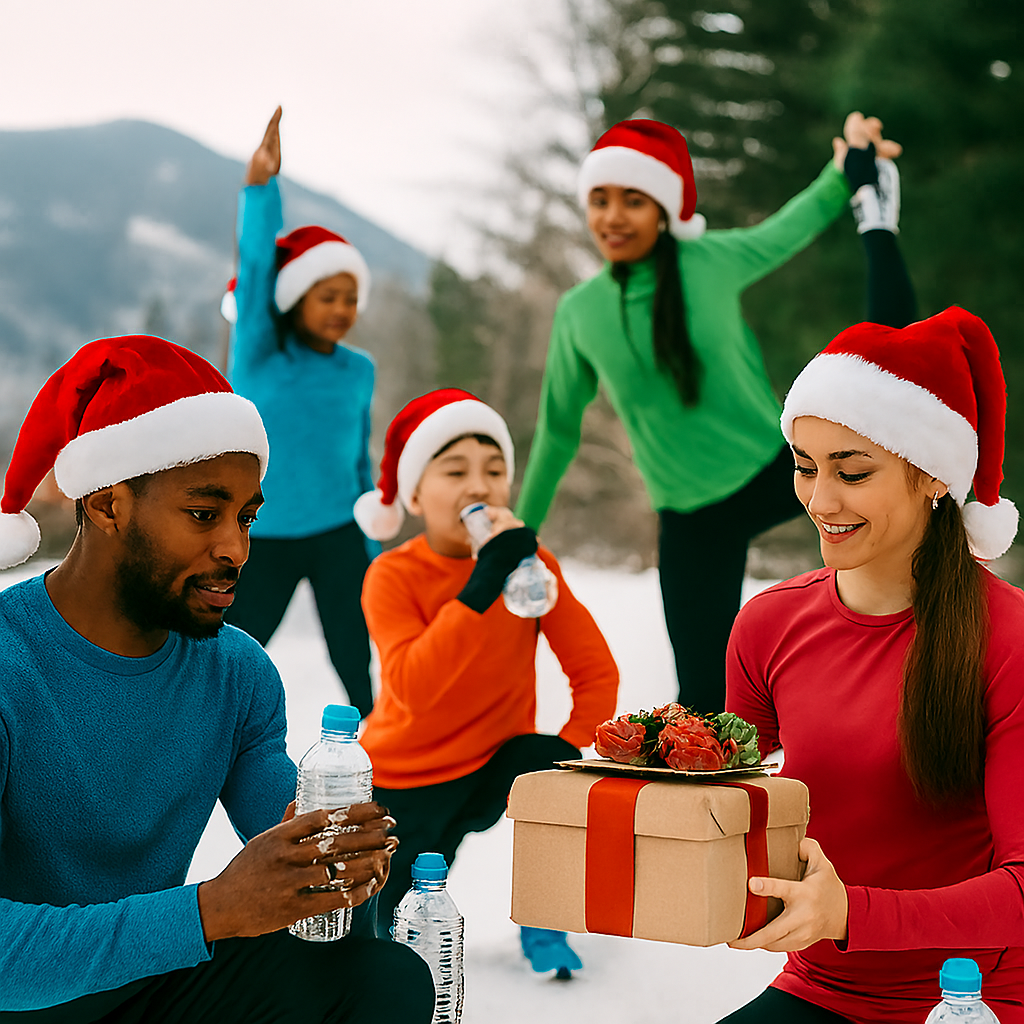
Sports People Must Be Careful Celebrating – Balancing Festivity And Performance
Christmas Time – Sports People Must Be Careful Celebrating
Athletes live within a cycle of discipline, recovery, and preparation, and the Christmas time and season can disrupt this rhythm. The festive atmosphere encourages indulgence, late nights, and irregular schedules, which can undermine carefully built routines. While family and social commitments are important, athletes must weigh them against the demands of their profession. Nutrition, hydration, and sleep are often compromised during celebrations, leading to reduced performance.
Training schedules may be interrupted by travel or closed facilities, creating gaps in conditioning. Emotional stress from obligations can also affect focus and motivation. The challenge is not to avoid celebration but to manage it responsibly. Athletes who balance joy with discipline protect their careers and health. This balance ensures they can enjoy festivities without sacrificing long-term goals.

Holiday Nutrition – Managing Festive Temptations
Christmas meals are often calorie-dense, rich in sugar, and high in saturated fats. Athletes must be cautious, as overindulgence can lead to weight gain and slower recovery. Balanced meals with lean proteins and complex carbohydrates are essential. Hydration is critical, especially when alcohol is consumed. Excessive sugar intake can cause energy crashes, reducing training efficiency. Processed meats and salty foods increase water retention, affecting agility. Athletes should prioritize vegetables and fruits to support recovery. Alcohol should be limited to avoid dehydration and poor sleep. Moderation allows enjoyment without compromising performance. Responsible choices safeguard both short-term and long-term health.
| Food Type | Impact On Athletes | Recommended Approach |
|---|---|---|
| Sugary Desserts | Energy spikes and crashes | Limit intake, choose fruit alternatives |
| Alcohol | Dehydration and poor sleep | Moderate or avoid |
| Processed Meats | High sodium and fat | Opt for lean cuts |
| Vegetables | Support recovery | Increase portion sizes |
Training Continuity – Avoiding Performance Decline
Training schedules often suffer during Christmas due to travel and family commitments. Missing sessions reduces cardiovascular endurance and muscle strength. Even short disruptions can affect conditioning. Athletes should maintain light routines such as stretching or bodyweight exercises. Portable equipment like resistance bands helps preserve strength. Scheduling workouts early in the day avoids conflicts with festivities. Consistency is more important than intensity during holidays. Maintaining flexibility routines prevents stiffness. Small efforts compound into long-term benefits. Discipline ensures athletes return to competition prepared.
- Prioritize short but consistent workouts
- Use resistance bands for portable strength training
- Schedule sessions early in the day before festivities
- Adapt training intensity to available time
- Maintain flexibility routines to prevent stiffness
Sleep Quality – Protecting Recovery Cycles
Sleep is vital for recovery, hormone regulation, and focus. Christmas celebrations often disrupt sleep with late nights and alcohol. Poor sleep increases injury risk and reduces reaction times. Athletes must set consistent sleep schedules. Alcohol reduces REM cycles, impairing recovery. Overeating causes discomfort, making sleep restless. Stress from obligations can also disturb rest. Relaxation techniques such as meditation improve sleep quality. Athletes should prioritize lighter dinners before bedtime. Protecting sleep ensures readiness for competition.
| Factor | Effect On Sleep | Athlete Strategy |
|---|---|---|
| Alcohol | Reduces REM cycles | Avoid before bedtime |
| Late Nights | Shortens recovery | Set consistent sleep times |
| Stress | Causes restlessness | Practice relaxation techniques |
| Overeating | Discomfort during sleep | Eat lighter dinners |
Injury Prevention – Avoiding Festive Risks
Christmas activities often involve winter sports, parties, or casual games. Reduced discipline increases vulnerability to injury. Alcohol impairs coordination, raising risks during physical play. Athletes must warm up before recreational activities. Proper footwear prevents slips on icy surfaces. Hydration reduces cramps during activity. Participation in unfamiliar sports should be limited. Injuries during holidays can derail entire seasons. Responsible choices protect long-term careers. Prevention is always better than recovery.
- Warm up before recreational activities
- Avoid excessive alcohol before physical play
- Wear appropriate footwear for icy conditions
- Limit participation in unfamiliar sports
- Maintain hydration to reduce cramps
Psychological Balance – Managing Stress And Expectations
The holidays bring emotional stress from obligations and disrupted routines. Athletes must protect mental health by balancing commitments. Family pressure can cause fatigue and distraction. Travel disrupts routines, adding stress. Financial strain during holidays increases anxiety. Social overload can lead to burnout. Setting boundaries helps manage expectations. Scheduling downtime preserves mental resilience. Emotional balance ensures focus and motivation. Athletes thrive when stress is managed effectively.
| Stress Source | Impact On Athletes | Coping Strategy |
|---|---|---|
| Family Pressure | Emotional fatigue | Set boundaries |
| Travel | Disrupted routines | Plan ahead |
| Financial Strain | Anxiety | Budget carefully |
| Social Overload | Burnout | Schedule downtime |
Alcohol Consumption – Understanding The Consequences
Alcohol and Alcohol Consumption is common during Christmas but poses risks for athletes. It slows muscle recovery and reduces coordination. Excessive drinking leads to dehydration. Judgment is impaired, increasing injury risk. Long-term effects include liver damage and reduced endurance. Athletes should limit alcohol to occasional small servings. Alternating drinks with water reduces harm. Non-alcoholic alternatives provide safer enjoyment. Avoiding alcohol before training is essential. Responsible consumption protects both health and performance.
- Limit alcohol to occasional small servings
- Alternate drinks with water
- Avoid alcohol before training or competition
- Recognize long-term effects on performance
- Choose non-alcoholic alternatives when possible
Maintaining Motivation – Avoiding Festive Complacency
Christmas relaxation can reduce motivation to train. Athletes must set short-term goals to stay focused. Accountability partners encourage discipline. Journaling tracks progress and reinforces commitment. Visualization strengthens ambition during downtime. Motivation ensures continuity in progress. Discipline during holidays prevents setbacks. Athletes who maintain focus return stronger. Festive joy can coexist with professional responsibility. Balance is the key to sustained success.
| Motivation Tool | Benefit | Example |
|---|---|---|
| Goal Setting | Keeps focus | Weekly fitness targets |
| Accountability | Encourages discipline | Training partner |
| Journaling | Tracks progress | Daily reflections |
| Visualization | Reinforces ambition | Mental rehearsal |
Social Commitments – Balancing Family And Sport
Family gatherings are central to Christmas celebrations. Athletes must balance them with training and recovery. Excessive commitments lead to fatigue. Communicating training needs to family helps manage expectations. Scheduling workouts around events prevents disruption. Avoiding overextension preserves energy. Prioritizing rest during travel is essential. Social joy must coexist with professional discipline. Athletes who balance both thrive personally and professionally. Responsible planning ensures harmony.
- Communicate training needs to family
- Schedule workouts around events
- Avoid overextending with multiple gatherings
- Prioritize rest during travel
- Balance social joy with professional responsibility
Travel Challenges – Managing Disruptions
Travel during Christmas disrupts routines and increases fatigue. Long flights cause jet lag. Limited facilities reduce training opportunities. Irregular meals compromise nutrition. Stress from travel reduces focus. Athletes must plan carefully to minimize risks. Portable equipment supports training continuity. Healthy snacks prevent poor nutrition. Mindfulness reduces travel stress. Preparation ensures athletes remain ready.
| Travel Factor | Risk | Athlete Strategy |
|---|---|---|
| Long Flights | Jet lag | Adjust sleep schedule |
| Limited Facilities | Missed training | Use portable equipment |
| Irregular Meals | Poor nutrition | Pack healthy snacks |
| Stress | Reduced focus | Practice mindfulness |

Weight Management – Controlling Holiday Gains
Festive eating often leads to weight gain. Athletes must monitor intake carefully. Portion control prevents excess calories. Avoiding late-night snacking reduces fat storage. Hydration helps control cravings. Balancing indulgence with activity maintains fitness. Tracking calories ensures discipline. Responsible eating supports agility and endurance. Athletes who manage weight protect performance. Holiday joy must not compromise health.
- Track calorie intake during celebrations
- Focus on portion control
- Avoid late-night snacking
- Balance indulgence with physical activity
- Maintain hydration to reduce cravings
Emotional Regulation – Avoiding Burnout
Christmas triggers emotional highs and lows. Athletes must regulate emotions to avoid burnout. Excitement can lead to overcommitment. Stress reduces focus and motivation. Loneliness during holidays causes demotivation. Pressure from expectations increases anxiety. Mindfulness practices improve resilience. Connecting with peers reduces isolation. Emotional regulation ensures consistency. Balanced emotions protect long-term success.
| Emotional Factor | Impact | Strategy |
|---|---|---|
| Excitement | Overcommitment | Balance with rest |
| Stress | Reduced focus | Practice mindfulness |
| Loneliness | Demotivation | Connect with peers |
| Pressure | Anxiety | Seek support |
Fixture Demands – Preparing For Post-Holiday Competitions
Many sports have fixtures immediately after Christmas, requiring athletes to remain sharp despite festive distractions. Light training during holidays helps maintain readiness without overexertion. Excessive indulgence before matches reduces energy and focus. Hydration levels must remain consistent to support endurance. Recovery routines such as stretching and massage should be prioritized. Mental preparation ensures athletes enter competition with confidence. Athletes who plan ahead perform better under pressure. Discipline during holidays protects competitive success. Responsible celebration supports professional goals. Balancing joy with preparation ensures athletes thrive in both areas.
- Maintain light training during holidays
- Avoid excessive indulgence before matches
- Keep hydration levels consistent
- Focus on recovery routines
- Prepare mentally for competition
Long-Term Health – Protecting Career Longevity
Christmas indulgence may seem harmless, but repeated disruptions can affect long-term health. Weight gain impacts agility and endurance over time. Alcohol consumption damages the liver and reduces stamina. Poor sleep contributes to chronic fatigue and hormonal imbalance. Stress during holidays can lead to mental burnout. Sustainable habits protect athletes’ careers and overall wellbeing. Balanced nutrition supports resilience across seasons. Emotional regulation prevents long-term psychological strain. Athletes who prioritize health extend their competitive lifespan. Responsible celebration ensures both immediate and future success.
| Risk | Long-Term Impact | Prevention |
|---|---|---|
| Weight Gain | Reduced agility | Balanced diet |
| Alcohol | Liver damage | Limit intake |
| Poor Sleep | Chronic fatigue | Consistent routines |
| Stress | Mental burnout | Emotional regulation |
Hydration Awareness – Managing Fluid Balance
Hydration is often overlooked during Christmas celebrations, yet it is critical for athletic performance. Alcohol and salty foods consumed during festivities increase dehydration risk. Dehydration reduces endurance, slows recovery, and impairs concentration. Athletes must monitor fluid intake carefully to maintain balance. Water should be prioritized over sugary or caffeinated drinks. Hydration supports muscle function and reduces cramp risk. Even mild dehydration can impair reaction times and decision-making. Athletes should carry water bottles during travel and gatherings. Proper hydration ensures readiness for post-holiday training. Responsible fluid management protects both short-term and long-term performance.
| Beverage | Effect On Athletes | Recommendation |
|---|---|---|
| Water | Maintains hydration | Drink consistently |
| Alcohol | Causes dehydration | Limit or avoid |
| Sugary Drinks | Energy spikes and crashes | Replace with water |
| Coffee | Mild dehydration | Consume moderately |
Immune System Protection – Guarding Against Seasonal Illness
Christmas coincides with colder weather in many regions, increasing the risk of illness. Athletes must protect their immune systems to avoid setbacks. Overindulgence in sugar weakens immunity. Sleep deprivation reduces the body’s ability to fight infections. Stress from obligations also compromises immune strength. Balanced nutrition with vitamins and minerals supports resilience. Hydration aids in flushing toxins and maintaining health. Preventive measures such as hand hygiene reduce exposure. Athletes who maintain immunity avoid missed training sessions. Protecting health ensures consistency across the season.
- Eat nutrient-rich foods with vitamins and minerals
- Maintain consistent sleep schedules
- Reduce stress through mindfulness practices
- Stay hydrated to support immune function
- Practice hygiene to prevent illness
Recovery Strategies – Preserving Physical Readiness
Recovery is essential during the festive season when routines are disrupted. Athletes must prioritize stretching, massage, and rest to maintain readiness. Overindulgence in food and alcohol slows recovery. Sleep quality directly impacts muscle repair. Travel fatigue can hinder recovery cycles. Active recovery such as light walking supports circulation. Hydration accelerates healing processes. Balanced nutrition aids tissue repair. Recovery strategies protect athletes from injury and fatigue. Responsible recovery ensures athletes return to competition prepared.
| Recovery Method | Benefit | Example |
|---|---|---|
| Stretching | Prevents stiffness | Daily flexibility routines |
| Massage | Relieves muscle tension | Professional or self-massage |
| Sleep | Repairs tissues | 7–9 hours nightly |
| Hydration | Supports healing | Regular water intake |

Mental Focus – Avoiding Distraction During Festivities
Christmas celebrations can distract athletes from professional goals. Maintaining mental focus is critical for performance. Excessive commitments reduce concentration. Alcohol and poor sleep impair decision-making. Athletes must practice visualization to reinforce ambition. Journaling helps track progress and maintain clarity. Meditation reduces stress and improves focus. Setting boundaries with commitments preserves mental energy. Athletes who remain focused return stronger after holidays. Discipline ensures festive joy does not compromise professional success.
- Practice visualization to reinforce ambition
- Journal progress to maintain clarity
- Use meditation to reduce stress
- Set boundaries with commitments
- Protect mental energy for competition
Seasonal Adaptation – Adjusting To Environmental Changes
Christmas occurs during different climates depending on location, requiring adaptation. In colder regions, athletes face risks of illness and reduced outdoor training. Warmer climates may encourage outdoor activity but increase dehydration risk. Travel across climates disrupts conditioning. Athletes must adjust routines to suit environmental conditions. Clothing choices affect comfort and safety during training. Nutrition must adapt to seasonal availability of foods. Hydration strategies vary with climate demands. Awareness of seasonal changes protects performance. Adaptation ensures athletes remain resilient across environments.
| Climate Factor | Risk | Athlete Strategy |
|---|---|---|
| Cold Weather | Illness and stiffness | Wear layered clothing |
| Warm Weather | Dehydration | Increase fluid intake |
| Travel | Disrupted routines | Plan training adjustments |
| Seasonal Foods | Nutritional imbalance | Choose balanced options |
Conclusion – Celebrating With Responsibility
Athletes can enjoy Christmas celebrations while maintaining discipline and protecting performance. Responsible choices around nutrition, sleep, and training ensure readiness for competition. Emotional balance allows athletes to manage stress and commitments effectively. Injury prevention strategies safeguard long-term careers. Travel planning reduces disruptions to routines. Weight management supports agility and endurance. Alcohol moderation protects recovery and focus. Motivation ensures continuity despite festive distractions. Athletes who celebrate responsibly thrive both personally and professionally. Christmas joy can coexist with sporting excellence when discipline is maintained.
- Balance festive joy with professional discipline
- Protect health through sustainable habits
- Plan ahead for travel and commitments
- Maintain motivation during downtime
- Celebrate responsibly to safeguard careers
Join The Discussion – Share Your Perspective
Athletes face unique challenges during Christmas, balancing joy with discipline. How do you think sports professionals can manage festive celebrations without compromising performance?
#AthleteWellbeing #ChristmasBalance #SportsDiscipline #PerformanceCare #HealthyCelebration #TrainingConsistency #MindfulAthlete



Leave a Reply