
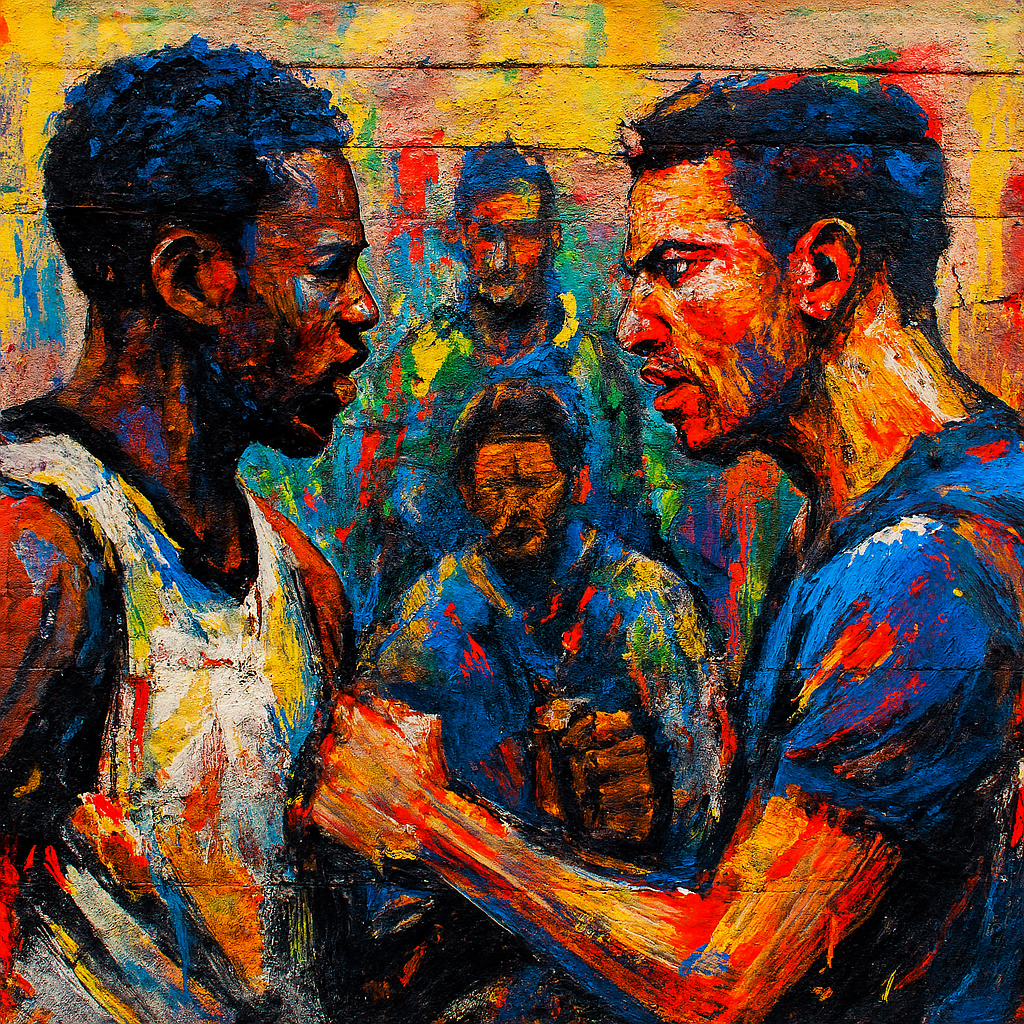
Infighting Within Sports Teams
Understanding The Dynamics Of Team Conflict
Infighting within sports teams has long been a subject of debate among coaches, athletes, and analysts, as it can either strengthen a group through resilience or weaken it through division. The phenomenon refers to internal disputes, disagreements, or rivalries among teammates that occur during training, competition, or even off the field. While some argue that conflict can sharpen competitive edges and push individuals to perform at higher levels, others emphasize the destructive consequences of fractured unity and diminished trust. Examining the balance between constructive disagreement and harmful discord is essential for understanding how teams can harness or mitigate infighting.
Infighting As A Catalyst For Performance
When teammates challenge each other, the intensity of competition can rise, leading to improved individual and collective performance. Athletes often push themselves harder when they feel pressure from internal rivals, which can elevate training standards. However, this benefit only occurs when the conflict remains respectful and does not escalate into hostility. Coaches sometimes encourage controlled rivalry to keep players motivated, but they must carefully monitor the emotional climate. The fine line between healthy competition and destructive infighting determines whether the team grows stronger or weaker.
Performance Outcomes Comparison
| Aspect | Positive Impact | Negative Impact |
|---|---|---|
| Training Intensity | Higher effort due to rivalry | Fatigue from emotional stress |
| Skill Development | Faster improvement under pressure | Risk of burnout or injury |
| Team Cohesion | Shared drive for excellence | Breakdown of trust |
| Game Results | Elevated competitiveness | Loss of focus |

Infighting And Team Morale
Team morale is directly influenced by the way conflicts are handled, as unresolved disputes can erode confidence and unity. When athletes feel unsupported or attacked, their motivation to contribute to the team diminishes. Conversely, when disagreements are resolved constructively, morale can improve through strengthened bonds and mutual respect. Coaches who foster open communication often transform conflict into opportunities for growth. The perception of fairness and inclusion plays a critical role in determining whether morale rises or falls.
Key Points On Morale
- Constructive resolution builds trust among teammates
- Unresolved disputes create resentment and disengagement
- Open communication channels reduce misunderstandings
- Leadership style influences morale outcomes
- Shared goals can override personal disagreements
Infighting And Leadership Challenges
Leadership within sports teams is tested when internal disputes arise, as captains and coaches must balance authority with empathy. Strong leaders can redirect conflict toward productive outcomes by setting clear expectations and mediating disputes. Weak leadership, however, often allows disagreements to fester, leading to divisions that undermine performance. The ability to manage emotions and maintain discipline is crucial in preventing infighting from spiraling out of control. Leadership strategies determine whether conflict becomes a source of strength or weakness.
Leadership Impact Table
| Leadership Style | Effect On Infighting | Resulting Team Outcome |
|---|---|---|
| Authoritative | Suppresses disputes quickly | Short-term stability, long-term resentment |
| Collaborative | Encourages dialogue | Stronger bonds and resilience |
| Passive | Avoids intervention | Escalation of conflict |
| Balanced | Mix of authority and empathy | Sustainable harmony |
Infighting And Psychological Pressure
Athletes under psychological pressure often experience heightened emotions, which can fuel internal disputes. Stress from competition, expectations, and personal struggles may manifest as conflict with teammates. While some athletes thrive under pressure and channel it into performance, others may lash out, creating tension. The psychological dimension of infighting highlights the importance of mental health support within sports organizations. Teams that provide counseling and stress management resources are better equipped to handle disputes constructively.
Psychological Factors In Conflict
- Stress amplifies emotional reactions
- Pressure can trigger defensive behavior
- Mental health support reduces conflict intensity
- Resilience training helps athletes cope
- Emotional intelligence fosters understanding
Infighting And Communication Breakdown
Communication breakdown is one of the most common causes of infighting, as misunderstandings quickly escalate into disputes. Teams that lack clear communication channels often struggle to resolve disagreements effectively. Athletes may misinterpret instructions, intentions, or feedback, leading to unnecessary tension. Effective communication training can significantly reduce the likelihood of conflict. The ability to listen actively and express concerns respectfully is essential for maintaining harmony.
Communication Breakdown Table
| Cause | Effect | Preventive Measure |
|---|---|---|
| Misinterpreted feedback | Defensive reactions | Clear phrasing |
| Lack of dialogue | Growing resentment | Regular team meetings |
| Cultural differences | Misunderstandings | Diversity training |
| Emotional tone | Escalation of disputes | Neutral language |
Infighting And Competitive Drive
Competitive drive within sports teams can be both a blessing and a curse, as it motivates athletes but also sparks rivalries. When teammates compete for positions or recognition, infighting may arise. This drive can sharpen skills and elevate performance if managed properly. However, unchecked competition often leads to jealousy and hostility. Coaches must balance individual ambition with collective goals to prevent destructive outcomes.
Competitive Drive Insights
- Rivalry can sharpen focus and determination
- Jealousy undermines team spirit
- Balanced competition fosters growth
- Recognition systems influence conflict levels
- Shared victories reduce personal rivalries
Infighting And Trust Erosion
Trust is the foundation of teamwork, and infighting can erode it rapidly if not addressed. Athletes rely on each other during games, and lack of trust compromises coordination. When teammates doubt each other’s commitment, performance suffers. Rebuilding trust requires consistent effort, transparency, and accountability. Teams that prioritize trust-building activities often recover more effectively from disputes.
Trust Erosion Table
| Factor | Impact | Recovery Strategy |
|---|---|---|
| Broken promises | Loss of confidence | Accountability measures |
| Favoritism | Perceived inequality | Transparent decision-making |
| Poor communication | Misaligned expectations | Team workshops |
| Past conflicts | Lingering resentment | Mediation sessions |
Infighting And Role Confusion
Role confusion often sparks disputes when athletes are unclear about their responsibilities. Overlapping duties or perceived favoritism can lead to frustration. Clear role definitions reduce the likelihood of conflict and improve efficiency. Coaches must ensure that each player understands their role within the team structure. Role clarity enhances coordination and minimizes disputes.
Role Confusion Points
- Overlapping duties create frustration
- Clear definitions reduce disputes
- Favoritism fuels resentment
- Role clarity enhances coordination
- Transparent communication prevents misunderstandings

Infighting And Cultural Diversity
Cultural diversity within sports teams can enrich experiences but also create challenges. Differences in communication styles, values, and traditions may lead to misunderstandings. Teams that embrace diversity through training and inclusion programs often transform potential conflicts into strengths. Respect for cultural differences fosters unity and resilience. Ignoring diversity issues, however, can intensify disputes.
Cultural Diversity Table
| Aspect | Positive Outcome | Negative Outcome |
|---|---|---|
| Communication styles | Broader perspectives | Misinterpretations |
| Values | Enriched team culture | Conflicting priorities |
| Traditions | Stronger identity | Potential exclusion |
| Inclusion programs | Reduced disputes | Lack of awareness |
Infighting And Emotional Intelligence
Emotional intelligence plays a critical role in managing disputes, as athletes with higher emotional awareness handle conflict more effectively. Recognizing emotions in oneself and others reduces misunderstandings. Teams that train athletes in emotional intelligence often experience fewer disputes. Emotional regulation prevents escalation and fosters constructive dialogue. Developing empathy strengthens bonds and reduces hostility.
Emotional Intelligence Insights
- Awareness reduces misunderstandings
- Regulation prevents escalation
- Training improves conflict management
- Empathy strengthens bonds
- Dialogue fosters resilience
Infighting And Coaching Strategies
Coaching strategies significantly influence the outcome of infighting, as coaches set the tone for conflict resolution. Strict discipline may suppress disputes but can also create resentment. Flexible approaches that encourage dialogue often lead to stronger unity. Coaches must adapt strategies based on team dynamics and personalities. Effective coaching transforms conflict into growth opportunities.
Coaching Strategy Table
| Approach | Effect On Conflict | Long-Term Outcome |
|---|---|---|
| Strict discipline | Suppresses disputes | Resentment builds |
| Flexible dialogue | Encourages resolution | Stronger unity |
| Adaptive methods | Tailored solutions | Sustainable harmony |
| Neglect | Escalation of disputes | Team breakdown |
Infighting And Media Influence
Media coverage can amplify internal disputes, as public exposure increases pressure on athletes. Negative publicity often worsens morale and trust. However, transparency in handling disputes can improve public perception. Teams that manage media narratives effectively reduce external pressure. Media influence highlights the importance of communication strategies beyond the team environment.
Media Influence Points
- Public exposure increases pressure
- Negative coverage worsens morale
- Transparency improves perception
- Effective narratives reduce stress
- Media management is essential
Infighting And Long-Term Development
Long-term development in sports teams is shaped not only by physical training and tactical strategies but also by the way internal disputes are managed over time. Infighting that is left unresolved can create lasting scars on team culture, discouraging younger athletes from fully engaging and reducing the willingness of experienced players to mentor others. When disputes are addressed constructively, however, they can become valuable lessons in resilience, adaptability, and emotional maturity. Teams that integrate conflict resolution into their development programs often find that athletes emerge stronger, more self-aware, and better prepared for future challenges. The ability to transform disputes into opportunities for growth ensures that the team’s legacy is not defined by division but by its capacity to overcome adversity.
Development Impact Table
| Factor | Positive Effect | Negative Effect |
|---|---|---|
| Conflict resolution | Builds resilience and adaptability | Creates unresolved tension |
| Adaptability | Encourages sustainable success | Leads to stagnation if ignored |
| Team culture | Strengthens long-term legacy | Weakens foundation of trust |
| Growth opportunities | Inspires athletes to improve | Discourages participation |
Infighting And Team Identity
Team identity is a powerful force that shapes how athletes perceive themselves and their collective mission, and infighting can either reinforce or undermine this identity. When disputes are resolved in ways that highlight shared values and goals, athletes often feel a stronger sense of belonging and pride in their team. Conversely, unresolved conflicts fracture identity, leaving individuals disconnected from the group’s vision. A cohesive identity helps athletes endure setbacks, celebrate victories together, and maintain focus during high-pressure situations. Coaches and leaders must actively cultivate identity by reinforcing traditions, values, and collective achievements, ensuring that disputes do not erode the foundation of unity.
Identity Insights
- Shared values strengthen collective pride
- Unresolved disputes fracture identity and belonging
- Traditions reinforce unity during conflict
- Collective achievements build resilience
- Strong identity sustains focus under pressure
Infighting And Conflict Resolution Models
Conflict resolution models provide structured approaches for managing disputes, and their application in sports teams can determine whether infighting becomes constructive or destructive. Mediation, negotiation, and collaborative problem-solving are among the most effective strategies for addressing disputes. Teams that adopt formal resolution frameworks often reduce the emotional intensity of conflicts and create predictable pathways for reconciliation. Without such models, disputes may escalate unpredictably, leaving athletes uncertain about how to proceed. The presence of clear resolution mechanisms reassures athletes that disagreements will be handled fairly and consistently, fostering trust and stability.
Conflict Resolution Table
| Model | Approach | Outcome |
|---|---|---|
| Mediation | Neutral third-party guidance | Balanced resolution |
| Negotiation | Direct dialogue between parties | Compromise achieved |
| Collaboration | Joint problem-solving | Stronger unity |
| Avoidance | Ignoring disputes | Escalation of tension |
Infighting And Resilience Building
Resilience is a critical attribute for athletes, and infighting can serve as both a challenge and an opportunity for its development. When disputes are managed constructively, athletes learn to cope with adversity, regulate emotions, and recover from setbacks. These skills are transferable to competitive environments, where resilience often determines success under pressure. However, if infighting becomes toxic, resilience may be undermined, leaving athletes vulnerable to stress and disengagement. Teams that emphasize resilience training, including mental conditioning and emotional regulation, often transform disputes into stepping stones for growth.
Resilience Building Points
- Constructive conflict strengthens coping skills
- Toxic disputes undermine resilience
- Mental conditioning enhances adaptability
- Emotional regulation prevents escalation
- Resilience training transforms adversity into growth
Infighting And Strategic Adaptation
Strategic adaptation refers to the ability of teams to adjust tactics and approaches in response to changing circumstances, and infighting can influence this process significantly. Disputes often highlight weaknesses in strategies, roles, or communication, forcing teams to reconsider their methods. When managed effectively, these disputes can lead to innovative solutions and improved performance. However, if conflict is ignored, teams may resist adaptation, clinging to ineffective strategies. Coaches who embrace conflict as a signal for change often guide their teams toward more flexible and sustainable approaches.
Strategic Adaptation Table
| Trigger | Adaptation | Result |
|---|---|---|
| Role disputes | Redefinition of responsibilities | Improved efficiency |
| Tactical disagreements | Strategy adjustment | Enhanced performance |
| Communication breakdown | New communication channels | Reduced misunderstandings |
| Resistance to change | Stagnation | Decline in results |

Infighting And Collective Responsibility
Collective responsibility is essential for team success, as athletes must recognize that their actions affect the entire group. Infighting often arises when individuals prioritize personal interests over collective goals. By reinforcing the principle of shared responsibility, teams can reduce disputes and foster unity. Athletes who understand that their behavior impacts teammates are more likely to regulate emotions and resolve conflicts constructively. Collective responsibility transforms disputes into opportunities for accountability and growth, ensuring that the team remains focused on shared objectives.
Collective Responsibility Points
- Personal interests can undermine collective goals
- Shared responsibility reduces disputes
- Accountability fosters unity
- Behavior impacts team outcomes
- Collective focus sustains long-term success
Infighting And Legacy Creation
The legacy of a sports team is shaped not only by victories and championships but also by the way internal disputes are managed. Teams that handle infighting constructively leave behind a legacy of resilience, unity, and adaptability. Conversely, teams plagued by unresolved disputes are often remembered for division and missed opportunities. Legacy creation requires consistent effort to transform conflict into growth, ensuring that future generations inherit a culture of strength rather than weakness. Athletes and coaches must recognize that their approach to disputes contributes to the team’s enduring reputation.
Legacy Creation Table
| Factor | Positive Legacy | Negative Legacy |
|---|---|---|
| Conflict resolution | Resilience and unity | Division and resentment |
| Adaptability | Sustainable success | Stagnation |
| Team culture | Strong foundation | Weak identity |
| Leadership | Inspiring example | Failed guidance |
Conclusion – Balancing Conflict And Unity
Infighting within sports teams is a complex phenomenon that can either strengthen or weaken collective performance depending on how it is managed. Constructive disputes foster resilience, adaptability, and unity, while unresolved conflicts erode trust, morale, and long-term development. Coaches, leaders, and athletes must recognize the dual nature of infighting, embracing it as an opportunity for growth while preventing it from becoming destructive. The balance between conflict and unity determines not only immediate results but also the enduring legacy of the team. By cultivating communication, emotional intelligence, and collective responsibility, teams can transform disputes into stepping stones for success.
Join The Discussion
The role of infighting in sports teams continues to spark debate among athletes, coaches, and fans. Do you believe that internal disputes can strengthen performance, or do they inevitably weaken unity?
#SportsLeadership #TeamDynamics #ConflictResolution #AthleteResilience #UnityInSports







Leave a Reply