
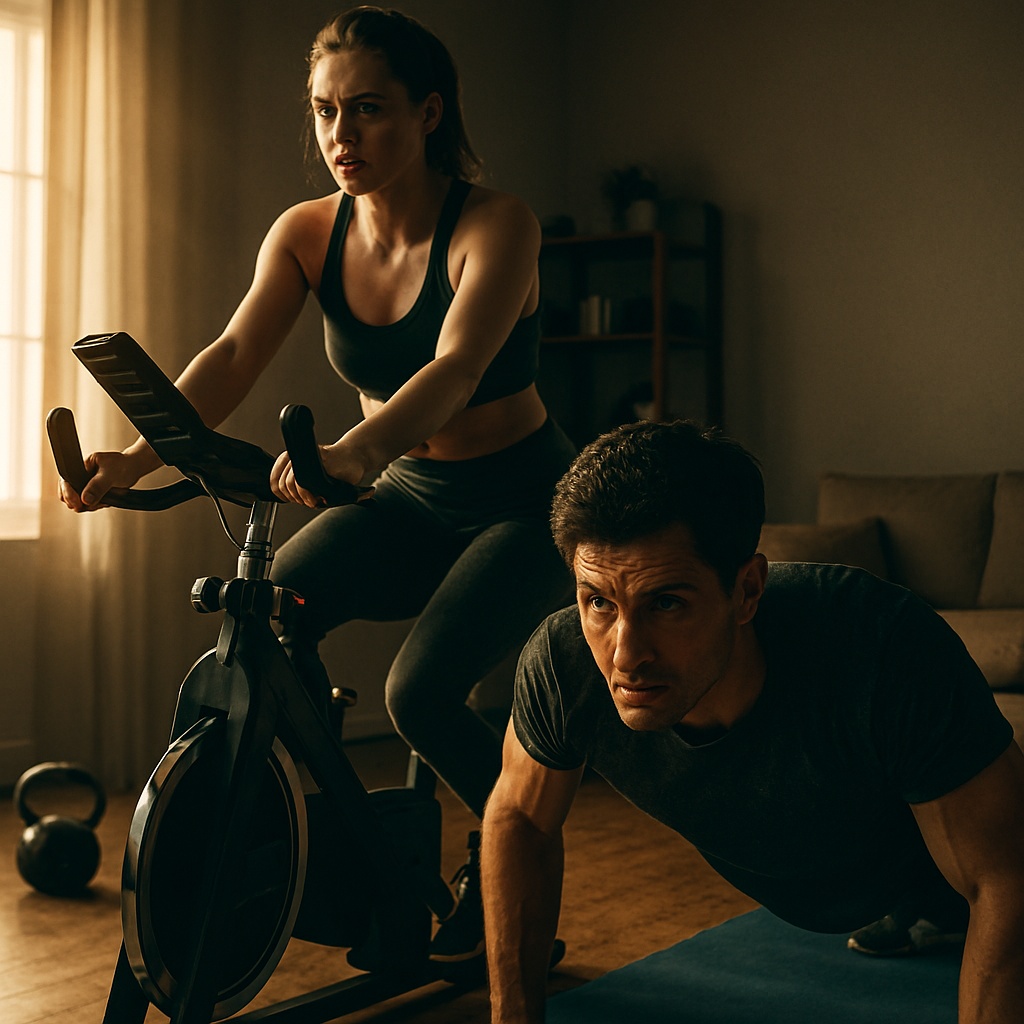
Home Exercise – Understanding The Shift In Home Fitness
Home exercise has undergone a remarkable transformation over the past century, shaped by cultural trends, technological innovation, and shifting health priorities. In the early twentieth century, physical activity at home was often limited to simple calisthenics or improvised routines, reflecting a lack of structured guidance and equipment. As mass media expanded, fitness magazines and television programs began to influence how people approached exercise in their living spaces. The rise of consumer products such as stationary bikes and treadmills introduced new possibilities for structured workouts without leaving the house. Later, the digital revolution brought interactive platforms, apps, and streaming services that reshaped the accessibility of fitness knowledge. Social changes, including busier lifestyles and urban living, further encouraged people to seek convenient ways to stay active at home. The COVID-19 pandemic accelerated this trend, forcing millions to adapt their routines to domestic environments. Today, home exercise is not only about convenience but also about personalization, community engagement, and integration with wearable technology.

Early Approaches To Home Exercise – Limited Resources And Improvised Routines
In the early decades of the twentieth century, home exercise was often improvised and lacked specialized equipment. People relied on calisthenics, stretching, and basic strength movements that required little more than body weight. Printed manuals and health guides provided illustrations of exercises, but these were often simplistic and not tailored to individual needs. The absence of mass-produced fitness gear meant that households rarely invested in dedicated exercise tools. Cultural attitudes toward fitness were also different, with physical activity often associated with manual labor rather than structured routines. Women were encouraged to focus on light stretching or dance-inspired movements, while men were directed toward strength-building exercises. The lack of scientific understanding of exercise physiology limited the effectiveness of these routines. Despite these constraints, early home exercise laid the foundation for later innovations.
Comparative Table – Early Home Exercise Characteristics
| Aspect | Early 20th Century Home Exercise | Modern Home Exercise |
|---|---|---|
| Equipment Availability | Minimal, improvised tools | Wide range of specialized gear |
| Guidance | Printed manuals, basic diagrams | Digital apps, streaming platforms |
| Accessibility | Limited to motivated individuals | Broad, global access |
| Gender Roles | Differentiated routines | Inclusive and diverse |
| Scientific Basis | Limited understanding | Evidence-based programs |
The Rise Of Fitness Media – Television And Printed Guides
As mass media expanded in the mid-twentieth century, fitness culture began to enter living rooms through television and magazines. Popular fitness personalities hosted shows that demonstrated routines, encouraging viewers to follow along at home. Printed guides offered structured programs, often marketed as lifestyle improvements rather than medical necessities. This era marked the beginning of fitness as entertainment, blending health with popular culture. The accessibility of televised exercise programs allowed people to feel connected to a broader movement. At the same time, magazines promoted equipment such as resistance bands and portable weights, making home exercise more practical. These developments reflected growing awareness of cardiovascular health and body image. The influence of media also created aspirational models of fitness, shaping public expectations.
Key Points – Media Influence On Home Exercise
- Television introduced guided routines directly into households.
- Magazines promoted structured programs and affordable equipment.
- Fitness became linked to entertainment and lifestyle aspirations.
- Media created role models who shaped public perceptions of health.
- Accessibility improved as routines were visually demonstrated.
Technological Innovations – The Arrival Of Home Equipment
The late twentieth century saw the introduction of consumer fitness equipment designed specifically for home use. Stationary bikes, treadmills, and rowing machines became increasingly affordable and compact. These machines allowed individuals to replicate gym-style workouts without leaving their homes. The marketing of these products emphasized convenience and long-term health benefits. Equipment manufacturers also began to integrate features such as adjustable resistance and digital displays. This period marked a significant shift toward structured, measurable exercise at home. The availability of equipment encouraged consistency and made fitness routines more appealing. However, the cost and space requirements limited adoption among some households. Despite these challenges, home equipment became a symbol of modern fitness culture.
Comparative Table – Evolution Of Home Equipment
| Equipment Type | Introduction Period | Key Features | Impact On Home Fitness |
|---|---|---|---|
| Stationary Bike | 1970s | Adjustable resistance, compact design | Cardiovascular training at home |
| Treadmill | 1980s | Speed and incline control | Replication of outdoor running |
| Rowing Machine | 1980s | Full-body workout | Strength and endurance |
| Elliptical Trainer | 1990s | Low-impact movement | Accessibility for all ages |
Lifestyle Changes – Convenience And Time Efficiency
As urban living intensified, people sought ways to integrate exercise into busy schedules. Home fitness became a solution for those unable to commit to regular gym visits. The emphasis shifted toward convenience, with routines designed to fit into short time frames. Compact equipment and portable accessories supported this trend. The rise of dual-income households further increased demand for flexible exercise options. Home exercise was no longer seen as secondary but as a practical alternative. Marketing campaigns highlighted the efficiency of short, high-intensity workouts. This period also saw the growth of fitness videos, which offered structured routines that could be followed at any time. The convenience factor became a defining characteristic of home exercise culture.
Key Points – Lifestyle Influence On Home Exercise
- Urban living encouraged compact and flexible routines.
- Time efficiency became a priority for busy households.
- Fitness videos and now certain platforms provid guided programs accessible at any hour.
- Home exercise gained legitimacy as a practical alternative to gyms.
- Marketing emphasized quick, effective workouts.
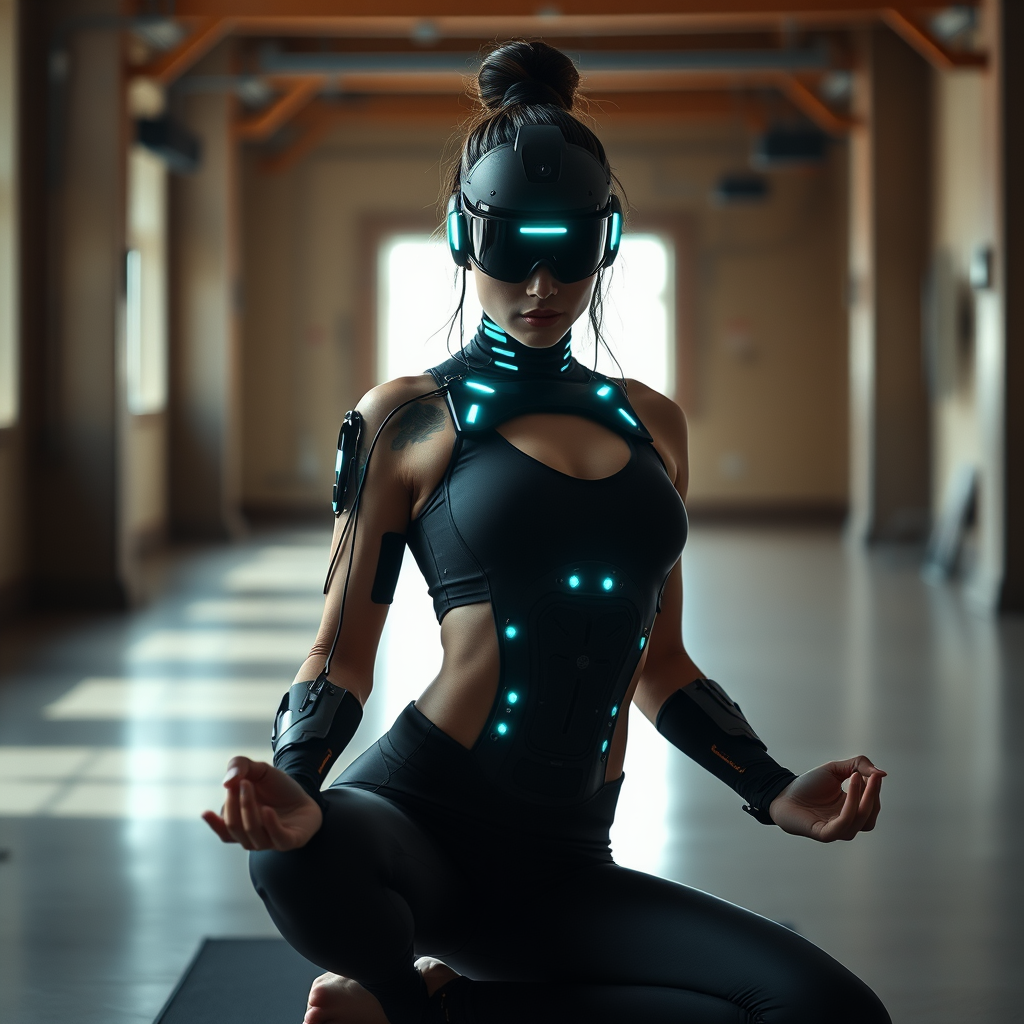
The Digital Revolution – Online Platforms And Apps
The early twenty-first century introduced digital platforms that transformed home exercise accessibility. Online videos, fitness apps, and streaming services provided interactive guidance. These platforms offered personalized routines tailored to individual goals and fitness levels. The integration of wearable technology allowed users to track progress in real time. Social media communities created spaces for motivation and accountability. The affordability of digital platforms made fitness knowledge widely available. This era marked a democratization of exercise, removing barriers related to cost and geography. The ability to access professional trainers virtually expanded opportunities for diverse populations. Home exercise became more engaging, interactive, and data-driven.
Comparative Table – Digital Fitness Features
| Feature | Impact On Home Exercise |
|---|---|
| Streaming Services | On-demand guided routines |
| Fitness Apps | Personalized programs and tracking |
| Wearable Technology | Real-time progress monitoring |
| Social Media | Community support and accountability |
| Affordability | Broad access across demographics |
Pandemic Influence – Accelerated Adoption Of Home Fitness
The COVID-19 pandemic dramatically accelerated the adoption of home exercise. Lockdowns and gym closures forced individuals to adapt their routines to domestic environments. Online platforms experienced unprecedented growth as people sought guided workouts. Equipment sales surged, with shortages reported in many markets. The pandemic highlighted the importance of physical activity for mental health and resilience. Home exercise became a necessity rather than a choice. Virtual classes created a sense of community despite physical isolation. This period reshaped perceptions of home fitness, making it central to daily life. The long-term impact includes sustained demand for hybrid fitness models.
Key Points – Pandemic Impact On Home Exercise
- Lockdowns forced reliance on home routines.
- Online platforms experienced rapid growth.
- Equipment sales surged globally.
- Exercise was linked to mental health resilience.
- Virtual classes fostered community engagement.
Integration With Wearable Technology – Data And Personalization
Wearable devices such as smartwatches and fitness trackers revolutionized home exercise. These tools provided real-time feedback on heart rate, calories burned, and activity levels. Integration with apps allowed users to set goals and monitor progress. Personalization became a defining feature, with routines tailored to individual metrics. Wearables encouraged consistency by gamifying fitness achievements. The accessibility of data empowered individuals to make informed decisions about their health. This technological integration blurred the line between professional and home fitness. The ability to track and analyze performance enhanced motivation. Wearables also supported long-term health monitoring beyond exercise.
Comparative Table – Wearable Technology In Home Fitness
| Device Type | Key Features | Impact On Home Exercise |
|---|---|---|
| Smartwatch | Heart rate, GPS, notifications | Real-time monitoring |
| Fitness Tracker | Step count, sleep analysis | Daily activity tracking |
| Connected Equipment | App integration, progress logs | Structured routines |
| Health Apps | Goal setting, personalized plans | Empowered decision-making |
Social Media Influence – Community And Motivation
Social media platforms have become powerful tools for shaping home exercise culture. Influencers and trainers share routines that inspire millions of followers. Online challenges create a sense of participation and accountability. Communities form around shared goals, providing motivation and support. The accessibility of content allows individuals to experiment with diverse routines. Social media also promotes inclusivity, showcasing fitness across different body types and abilities. The interactive nature of these platforms encourages engagement beyond solitary exercise. This influence has made home fitness more social and dynamic. The blending of entertainment and health continues to evolve through digital communities.
Key Points – Social Media And Home Exercise
- Influencers share accessible routines.
- Online challenges foster accountability.
- Communities provide motivation and support.
- Inclusivity is promoted across diverse populations.
- Engagement extends beyond solitary exercise.
Hybrid Models – Combining Home And Gym Experiences
The post-pandemic era has seen the rise of hybrid fitness models that blend home exercise with traditional gym visits. Many individuals now prefer to maintain a flexible routine that allows them to work out at home during busy days while still accessing specialized equipment at fitness centers when time permits. This approach reflects a growing demand for adaptability in health and wellness practices. Subscription services often provide both online classes and in-person sessions, creating a seamless integration of digital and physical fitness. Hybrid models also cater to diverse preferences, offering strength training at gyms and yoga or cardio at home. The balance between convenience and variety has become a defining feature of modern fitness culture. This trend demonstrates how consumer expectations have shifted toward personalized and flexible solutions.
Comparative Table – Hybrid Fitness Characteristics
| Feature | Home Exercise Benefits | Gym Exercise Benefits | Hybrid Model Outcome |
|---|---|---|---|
| Convenience | Flexible scheduling | Structured environment | Balanced accessibility |
| Equipment | Compact, affordable | Specialized machines | Comprehensive options |
| Community | Online engagement | In-person interaction | Dual motivation |
| Cost | Lower overall expense | Membership fees | Flexible budgeting |
| Variety | Digital classes | Diverse programs | Expanded choices |
Accessibility And Inclusivity – Expanding Participation
Home exercise has increasingly emphasized accessibility and inclusivity, ensuring that diverse populations can participate. Programs are now designed for people of different ages, abilities, and fitness levels. Online platforms provide adaptive routines for individuals with mobility challenges. Inclusivity also extends to cultural representation, with trainers from varied backgrounds offering relatable guidance. The affordability of digital fitness reduces barriers for those unable to afford gym memberships. Accessibility features such as subtitles and descriptive audio enhance participation for visually or hearing-impaired individuals. This evolution reflects a broader societal commitment to equity in health. Home exercise has become a tool for democratizing fitness, ensuring that no group is excluded.
Key Points – Accessibility In Home Exercise
- Adaptive routines support individuals with mobility challenges.
- Subtitles and descriptive audio enhance inclusivity.
- Affordable digital platforms reduce financial barriers.
- Trainers from diverse backgrounds increase cultural representation.
- Home exercise democratizes fitness participation.
Scientific Advancements – Evidence-Based Home Fitness
Modern home exercise programs are increasingly grounded in scientific research. Advances in exercise physiology have informed the design of routines that maximize efficiency and safety. Evidence-based approaches emphasize the importance of warm-ups, progressive overload, and recovery. Online platforms often collaborate with certified trainers to ensure credibility. Wearable technology provides data that supports scientific monitoring of progress. This integration of science into home fitness reflects a shift toward professional standards. The emphasis on evidence-based routines reduces the risk of injury and enhances long-term outcomes. Home exercise is no longer improvised but structured around proven principles.
Comparative Table – Scientific Influence On Home Exercise
| Aspect | Past Home Exercise | Modern Home Exercise |
|---|---|---|
| Guidance | Informal routines | Evidence-based programs |
| Injury Risk | Higher due to lack of knowledge | Lower with structured design |
| Monitoring | Minimal | Wearable technology and apps |
| Trainer Involvement | Limited | Certified professionals |
| Outcomes | Variable | Consistent and measurable |
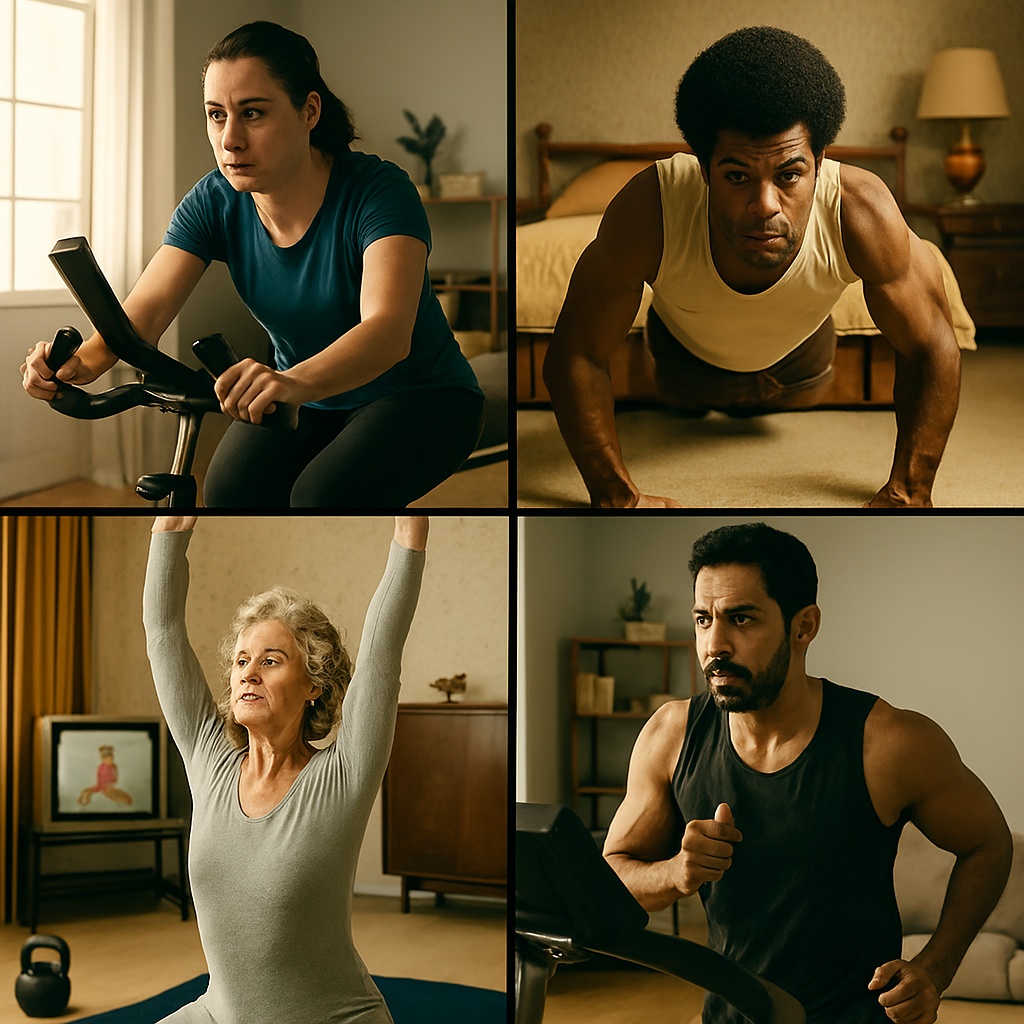
Economic Factors – Market Growth And Consumer Trends
The economic landscape has played a significant role in shaping home exercise. The fitness industry has expanded to include a wide range of consumer products, from affordable accessories to high-end equipment. Market growth reflects increasing demand for convenient fitness solutions. Consumer trends show a preference for subscription-based services that provide ongoing value. The affordability of entry-level equipment has widened participation. At the same time, premium products cater to those seeking advanced features. The economic impact of home exercise extends to employment, with trainers and developers creating digital content. This sector continues to evolve as consumer expectations shift.
Key Points – Economic Influence On Home Exercise
- Market growth reflects rising demand for convenience.
- Subscription services provide ongoing value.
- Affordable equipment widens participation.
- Premium products cater to advanced users.
- Employment opportunities expand through digital content creation.
Cultural Shifts – Changing Attitudes Toward Fitness
Cultural attitudes toward fitness have evolved significantly, influencing home exercise practices. In earlier decades, fitness was often associated with aesthetics and body image. Modern perspectives emphasize holistic health, including mental well-being and longevity. Home exercise reflects this cultural shift by promoting mindfulness practices such as yoga and meditation. The integration of wellness into fitness routines demonstrates a broader understanding of health. Cultural diversity also influences the types of exercise promoted, with global practices incorporated into home routines. This evolution highlights the role of culture in shaping fitness priorities. Home exercise has become a reflection of changing societal values.
Comparative Table – Cultural Influence On Home Exercise
| Era | Fitness Focus | Home Exercise Impact |
|---|---|---|
| Mid-20th Century | Aesthetics, body image | Limited diversity |
| Late 20th Century | Cardiovascular health | Structured routines |
| Early 21st Century | Holistic wellness | Integration of mindfulness |
| Modern Era | Inclusivity, longevity | Diverse global practices |
Future Directions – Innovation And Sustainability
The future of home exercise is likely to emphasize innovation and sustainability. Technological advancements will continue to shape interactive platforms and personalized routines. Virtual reality may provide immersive fitness experiences within domestic spaces. Sustainability will influence the design of eco-friendly equipment and digital solutions that reduce environmental impact. The integration of artificial intelligence will enhance personalization and adaptability. Future trends also include greater emphasis on mental health integration. Home exercise will evolve to meet the demands of increasingly health-conscious societies. The trajectory suggests continued growth and diversification of fitness practices.
Key Points – Future Of Home Exercise
- Virtual reality may provide immersive experiences.
- Eco-friendly equipment supports sustainability.
- Artificial intelligence enhances personalization.
- Mental health integration becomes more prominent.
- Continued diversification reflects evolving societal demands.
Conclusion – Understanding The Transformation Of Home Exercise
Home exercise has transformed from improvised routines into a structured, evidence-based, and technologically integrated practice. Cultural shifts, technological innovations, and global events have all contributed to this evolution. The accessibility and inclusivity of modern home fitness reflect broader societal commitments to equity and health. Hybrid models demonstrate the demand for flexibility, while scientific advancements ensure safety and efficiency. Economic growth and cultural diversity continue to shape consumer trends. The future promises further innovation, sustainability, and integration of mental health. Understanding this transformation highlights the importance of adaptability in health practices. Home exercise is now a central component of modern wellness culture.
Join The Discussion – Share Your Perspective
The evolution of home exercise reflects broader changes in society, technology, and culture. How have these shifts influenced your own fitness routines at home. Do you see home exercise as a permanent part of your lifestyle or a complement to other activities.
#HomeExercise #FitnessEvolution #HealthAtHome #DigitalFitness #WellnessCulture #HybridFitness #InclusiveHealth #FutureOfExercise





Leave a Reply